


Products are selected by our editors, we may earn commission from links on this page.

The latest American economic data presents a fascinating puzzle for observers, showing a dip in the jobless rate even as corporate hiring cooled off significantly. While fewer positions were created than experts anticipated, a shrinking talent pool managed to push the headline unemployment number downward, painting a nuanced picture of the current financial landscape.
The Summer Cooldown in Employment

US business hiring cooled down after a lively spring expansion, with employers creating a lower-than-expected 57,000 jobs last month. This data from the Bureau of Labor Statistics shows a significant shift from the stronger gains seen previously, especially as totals for April and May were revised downward by a combined 74,000 openings to 148,000 and 129,000, respectively. The overall situation reveals a job market that is far healthier than the weak environment of 2025, even though growth has decelerated steadily since March.
The Paradox of the Falling Jobless Rate

Alongside the hiring slowdown, the national unemployment rate surprisingly dropped to 4.2 percent from 4.3 percent. This decline happened primarily because a large number of citizens completely withdrew from the job hunt. When people exit the talent pool, they are no longer counted in the active workforce, which drops the official jobless rate without necessarily signaling a wave of new employment success.
Defining the New Normal for Workers

Commenting on the situation, Laura Ullrich, the director of economics at the Indeed Hiring Lab, noted that while a hiring surge in May hinted at a turning tide, the June figures prove that bounce was merely a temporary exception. The latest economic report looks acceptable on the surface, but the underlying issue is that ordinary performance no longer represents a powerful force capable of pulling new applicants into the market.
Major Headwinds Facing the American Workplace

A variety of severe challenges are currently acting as headwinds against broader employment growth in the United States. A rapidly aging demographic naturally shrinks the baseline pool of available talent, while corporations are quickly integrating artificial intelligence systems to optimize their operations. Furthermore, geopolitical tensions in the Middle East have caused a sudden rise in oil prices, creating unexpected financial pressures for businesses nationwide.
The Retreat from the Workforce

Total labor force participation dropped to a five-year low of 61.5 percent last month, falling from the 61.8 percent mark recorded in May. Economists Samuel Tombs and Oliver Allen from Pantheon Macro pointed out that while this decline used to be concentrated among older professionals choosing early retirement due to stock market gains, prime-age individuals also dropped out in large numbers during June. This leaves the broader job landscape stuck in a quiet period where very few new options open up for eager candidates.
Shifting Dynamics in Part-Time Positions

At the same time, official figures showed a noticeable decrease in citizens working part-time schedules for both personal and economic reasons. Elizabeth Renter, a senior economist at NerdWallet, suggested that some of these workers might be stepping into permanent full-time roles, or their household finances could be steady enough to eliminate the need for extra shifts. Alternatively, it could mean that an increasing segment of the population is simply opting out of employment entirely.
Missing the Mark on Economic Predictions
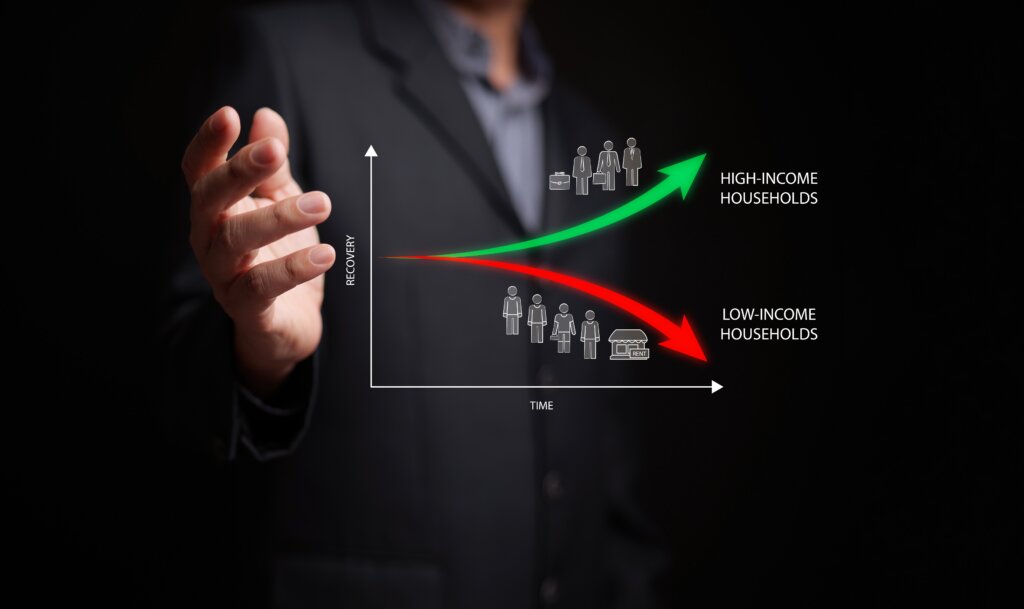
Before the official data drop, the general consensus among market analysts pointed toward an addition of 100,000 jobs and an unchanged unemployment rate of 4.3 percent for the fourth straight month. However, individual predictions ranged anywhere from 35,000 to nearly 200,000 positions. Forecasters struggled to balance the negative impacts of inflation and global conflicts against the brief hiring boosts tied to the World Cup tournament.
A Surprise Drop in Leisure and Hospitality

While certain experts predicted the World Cup would lift the hospitality sector by roughly 40,000 positions in June, others argued that the bulk of summer hiring had already concluded in May. The official report ultimately showed that leisure and hospitality businesses shed 61,000 roles due to weaker seasonal trends. Elizabeth Renter noted that while this industry acts as a gauge for consumer health, household discretionary spending has not experienced a severe crash, suggesting that statistical adjustments for the season might be distorting the true picture.
Healthcare and Industry Trends Propel Growth

Once again, the healthcare and social assistance sector drove the majority of the monthly gains by generating 46,600 new positions to support an aging population. Professional and business services followed closely with an increase of 36,000 jobs, while construction and manufacturing fields ticked upward by 11,000 and 3,000 roles. These expansions helped offset the job cuts observed in the information sector, which lost 9,000 spots, and retail trade, which dropped by 7,500 positions.
Future Stability and Potential Policy Shifts
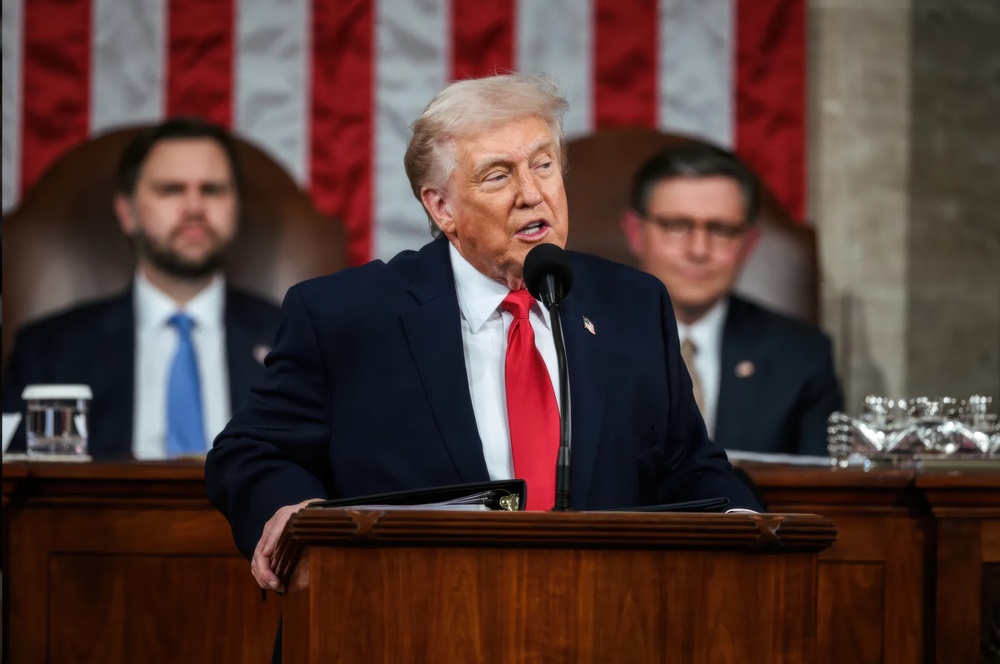
Despite the specific losses, more industries expanded than shrank, with first-half job gains averaging 92,000 per month compared to a tiny average of 10,000 last year. Kathy Bostjancic, the chief economist at Nationwide, stated that this improvement supports solid consumer spending despite ongoing cost-of-living strains. However, Phillip Braun, a finance professor at Northwestern University, warned that new central bank leadership under Kevin Warsh, an appointee of President Donald Trump who favors lower interest rates, might cut rates despite stubborn inflation, a move that could bring mixed results to a stable market vulnerable to unforeseen economic shocks.