


Products are selected by our editors, we may earn commission from links on this page.

Kirat Assi, a London radio presenter, thought she had found love with Bobby, a handsome cardiologist from her Sikh community. For nearly nine years, they messaged daily, shared dreams, and even got engaged. But Bobby never showed up in person. The excuses were always extraordinary—witness protection, life-threatening illnesses, broken phones. What Assi didn’t know was that she was living inside an elaborate web of lies that would shatter her world completely. The truth would prove more shocking than any fiction.
It Started with a Simple Facebook Message

In 2009, 29-year-old Assi received a Facebook message from JJ, who claimed to be dating her younger cousin, Simran Bhogal. He wanted advice on winning Simran back. Assi tried to help. Then came devastating news: JJ had died from an allergic reaction. Bhogal gave Assi contact details for JJ’s brother, Bobby Jandu, so she could send condolences. Assi knew Bobby’s name from their west London community. The messages began innocently enough, but they would soon consume nearly a decade of her life.
The Characters Multiply

As Assi grew closer to Bobby, more people entered her online world. There were Bobby’s friends, his family members, even his son’s mother. They all had Facebook profiles. They interacted with each other and with Assi, creating a convincing network of relationships. According to reports, up to 60 different characters populated this fictional universe. They shared photos, had conversations, and lived what appeared to be real lives. Meanwhile, Bhogal herself became Assi’s trusted confidante, listening to her hopes and concerns about Bobby. The manipulation was breathtakingly elaborate.
Love Behind a Screen
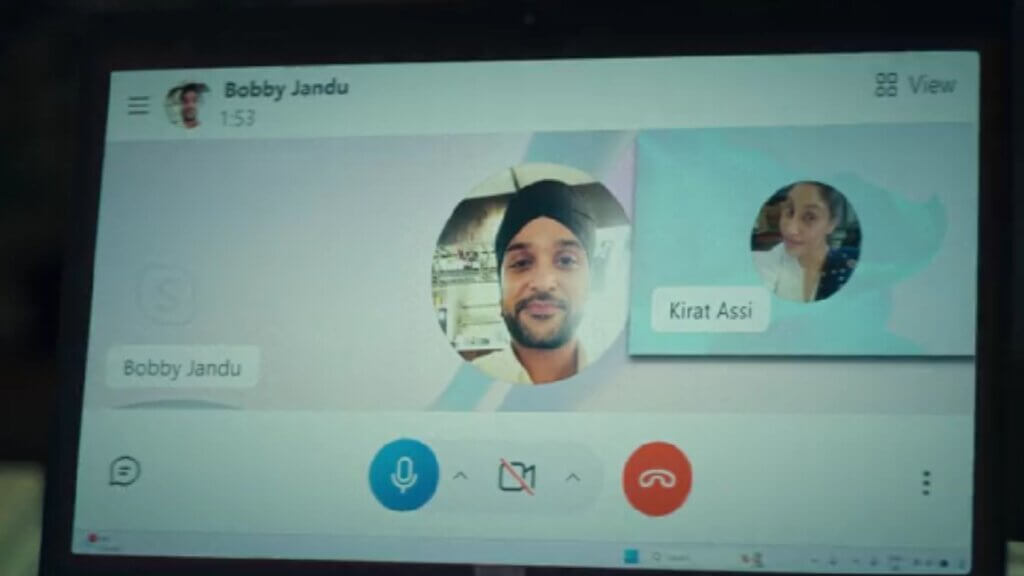
After five years of messages, Assi fell in love with Bobby. The relationship deepened through Messenger, Skype, and WhatsApp. But they never met face-to-face. Bobby claimed he’d been shot in Kenya and was in witness protection. He developed numerous life-threatening conditions that kept him hospitalized in New York. Despite doubts, Assi became emotionally trapped. As she told journalists, there was “much pressure and emotional guilt tripping” involved. She began to consider herself in a committed relationship, even planning a future together. But the man she loved existed only as pixels on a screen.
Control from the Shadows
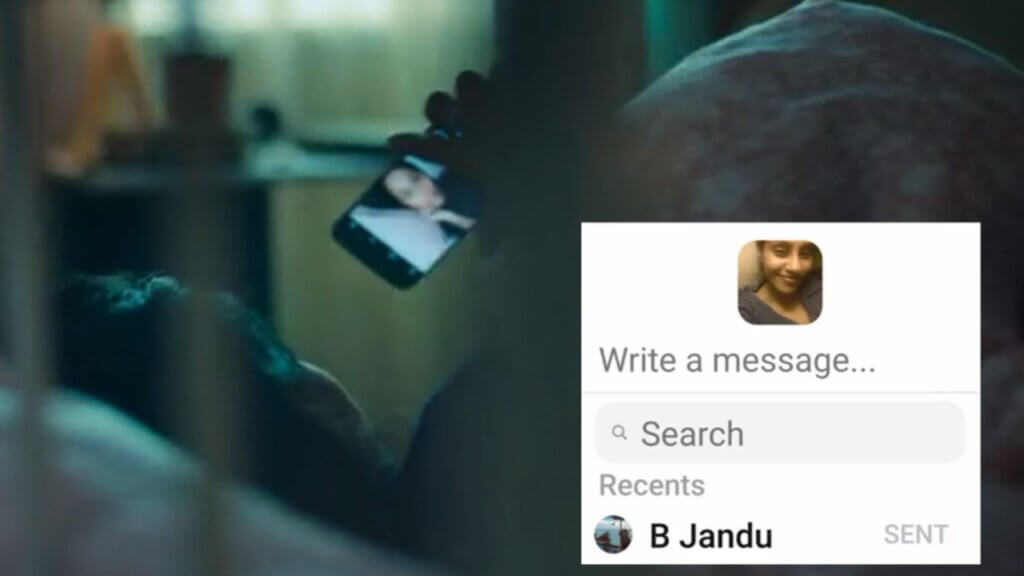
Bobby’s behavior grew increasingly controlling. He monitored Assi’s movements constantly, asking where she was and why she wasn’t home. He dictated her choices, even her clothing. “Why aren’t you in your room?” he would demand. Assi found herself isolated, sitting at home for someone who wasn’t there. It wasn’t like her at all. Bobby even asked disturbing questions to test her reactions, like whether she’d join ISIS with him. If she said no, he’d pick a fight. The psychological manipulation was relentless, designed to keep her trapped.
The Confrontation in Brighton

Three years into the relationship, when Bobby claimed to be in London but still refused to meet, Assi’s suspicions peaked. She discovered his last known address was in Brighton and confronted him there. What happened next changed everything. She encountered the real Bobby Jandu—standing beside his wife. He looked shocked when Assi showed him his own face on her phone. He denied ever communicating with her. The entire relationship had been a lie. Assi turned to Bhogal for support, even filing a police report with her cousin sitting beside her. Then came the confession.
The Shocking Truth Revealed

The day after the Brighton confrontation, Bhogal came to Assi’s house and admitted everything. “It was me, I was Bobby, I was all of them,” she said. For nearly a decade, Bhogal had orchestrated the entire deception, creating dozens of fake identities and impersonating people Assi knew from their community. Assi describes the discovery as devastating. “Imagine somebody really close to you had suddenly died, and it’s not one person, it’s all of them,” she said. She had lost everybody at once. Where breakups usually bring supportive friends, Assi found herself alone with an unimaginable truth.
Fighting for Justice

When Assi reported Bhogal to the police, they said, “You’re not the victim, [the real Bobby] is.” Because catfishing isn’t illegal in the U.K., police refused to prosecute for coercive control, stalking, or harassment. But Assi refused to accept this. She pursued a civil case, winning a substantial settlement in 2020 for harassment, misuse of private information, and data protection breaches. Bhogal paid compensation and wrote an apology letter, though she framed the situation as a “family dispute” from when she was a “schoolgirl.” Assi continues challenging the police decision. She believes catfishing should be outlawed as a deterrent.
Rebuilding After Betrayal

The scam cost Assi nearly a decade—her late twenties through most of her thirties. She had always wanted marriage and children, but those years are gone. The deception targeted every part of her life: her career, dreams, relationships with family and friends, her studies, and her mental and physical health. “I could have met someone real, had a baby during that time,” she said. Yet Assi is rebuilding. She returned to her radio show, works in freelance marketing, and hopes to move into her own place soon. She refuses to be defined as a naive victim and advocates for stronger legal protections.
Moving Forward with Purpose

Assi now lives just 20 minutes from Bhogal, but says she doesn’t want to see or speak to her again for the sake of her health. She wants Bhogal held accountable and to get mental health help if needed. Her story, first shared through the podcast “Sweet Bobby” and now a Netflix documentary of the same name, has sparked conversations about online deception worldwide. Assi continues to speak out, hoping her experience will help others recognize manipulation and push for legal reforms. Despite facing victim-shaming from some in her community, Assi remains resilient: “Please focus on the perpetrator. Why did she do this?”