

Products are selected by our editors, we may earn commission from links on this page.
For decades, chemical relaxers promised straighter hair. Now L’Oréal is facing a very different question: Did it know enough about possible cancer risks to warn the women buying them? Arizona says yes. The state has sued the beauty giant, alleging it downplayed risks associated with chemical hair relaxers while continuing to market them. It is the first U.S. state to bring this kind of case, turning a long-running scientific debate into a new legal fight.
This article was created with the assistance of AI and reviewed by our editorial team for accuracy and clarity.
Arizona Says the Warning Should Have Come Earlier
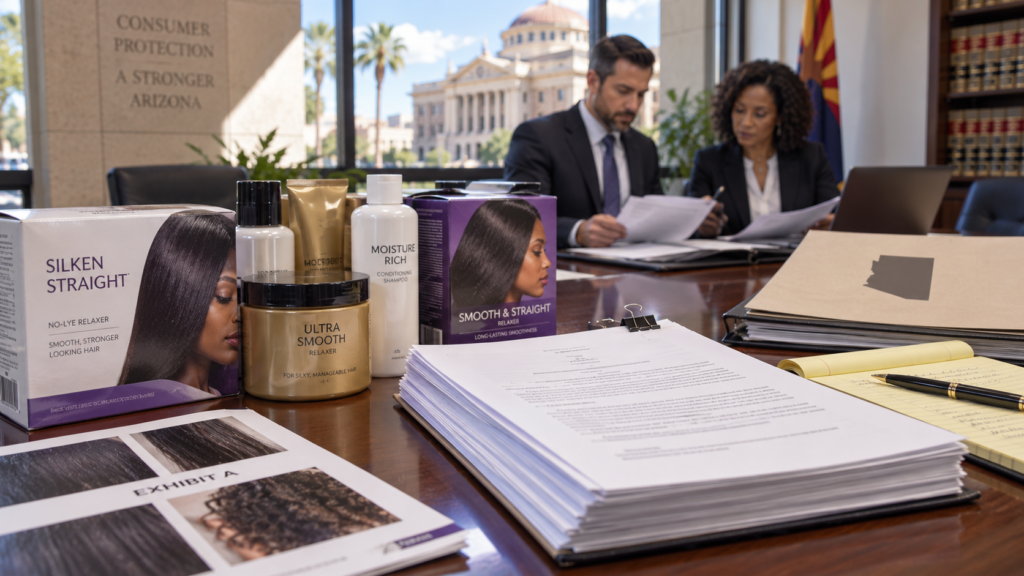
Attorney General Kris Mayes filed the lawsuit against L’Oréal USA, its French parent company and SoftSheen. The state alleges they sold relaxers without adequately disclosing links to uterine and ovarian cancers. Arizona isn’t only asking for damages and penalties. It also wants a judge to stop L’Oréal from selling the products without a cancer warning. L’Oréal disputes the allegations, setting up a fight over what the company knew and what consumers should have been told.
This Isn’t Just Another Beauty Product
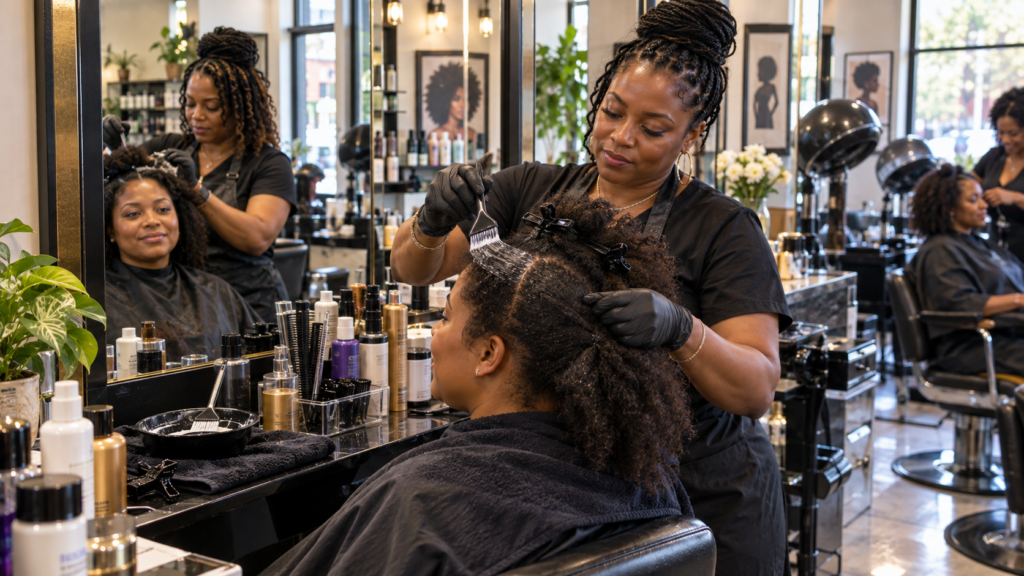
Hair relaxers permanently straighten textured hair by altering the bonds that give hair its natural shape. But their significance goes beyond chemistry. The products have long been marketed heavily to Black women and girls. Arizona’s complaint says L’Oréal used longstanding beauty standards affecting people of African descent to sell products including Dark & Lovely, Optimum and Mizani. That history helps explain why this case is about more than what was printed on a product label.
One Major Study Changed the Conversation

The legal wave accelerated after a 2022 National Institutes of Health study followed more than 33,000 women for nearly 11 years. Women who reported using hair-straightening products more than four times in the previous year were more than twice as likely to develop uterine cancer as women who didn’t use them. That’s an alarming finding, but there’s an important distinction: the study found an association. It did not prove that relaxers directly caused those cancers.
“Twice the Risk” Sounds Terrifying. Here’s What It Means
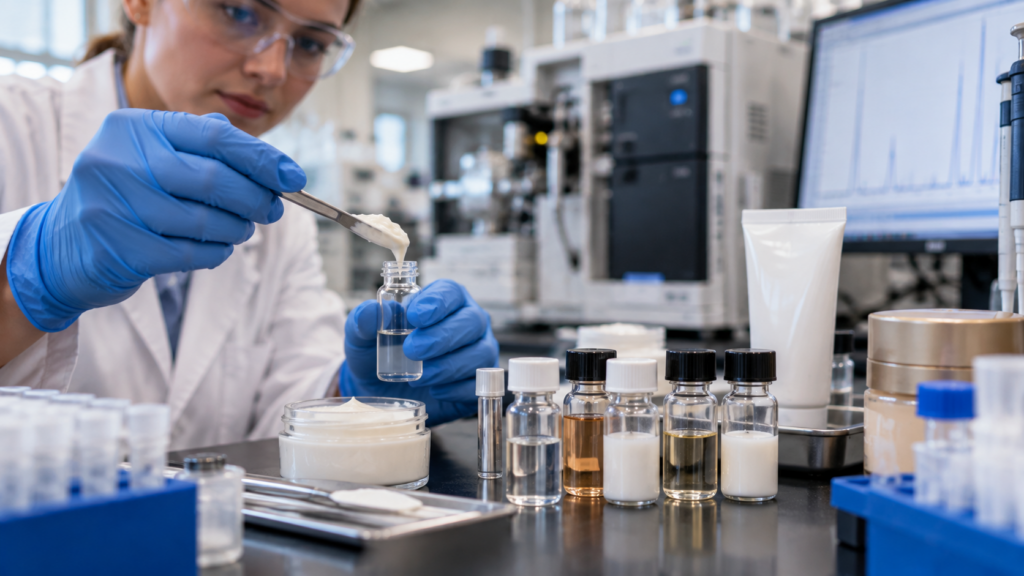
That statistic needs context. Researchers estimated that about 1.64% of women who never used straighteners would develop uterine cancer by age 70. For frequent users, the estimate was roughly 4%. Gynecologic oncologist Susan Modesitt described the additional risk as relatively small, even though the study’s findings were statistically significant. So “twice the risk” doesn’t mean cancer becomes likely. It means a relatively uncommon cancer appeared more often among frequent users in the study.
So What in a Relaxer Could Be the Problem?

Scientists don’t have one ingredient they can point to as the culprit. Researchers have raised questions about chemicals found in some hair products, including phthalates, parabens and cyclosiloxanes, because of their potential to disrupt hormones. Metals and possible formaldehyde exposure have also drawn attention. That’s part of what makes the issue difficult: studies have found troubling associations, but researchers haven’t neatly traced the increased cancer risk back to one chemical in one bottle.
And the Research Didn’t Stop in 2022

Another study added to the concern. Research involving nearly 45,000 participants in the Black Women’s Health Study found long-term relaxer use was associated with increased uterine cancer risk among postmenopausal women, but not premenopausal women. Epidemiologist Alexandra White told Allure that the evidence base has grown since the original NIH research. Still, these are observational studies. Researchers can account for other risk factors, but they cannot eliminate every possible explanation.
L’Oréal Says the Science Doesn’t Prove the Case

L’Oréal is pushing back hard. The company says its products undergo rigorous safety reviews and argues that the allegations have neither scientific nor legal merit. Its defense emphasizes one crucial limitation in the research: an association isn’t proof of causation. L’Oréal has also pointed to the researchers’ own calls for additional study and the possibility that other health and lifestyle factors influenced the results. That scientific uncertainty is likely to matter enormously in court.
More Than 12,000 Lawsuits Are Already Waiting

Arizona may be the first state to sue, but L’Oréal was already deep in litigation. More than 12,000 similar lawsuits filed by women and their families have been consolidated in federal court in Chicago. Other manufacturers, including Revlon, have also been named, and Revlon has denied a connection between its products and cancer. For plaintiffs, the dispute isn’t simply whether relaxers can cause cancer. It’s also whether manufacturers adequately warned customers about evidence of potential risk.
2027 Could Put These Claims in Front of Juries
The federal litigation continues moving forward, with trials potentially beginning in 2027. That’s when years of scientific research, company records and competing arguments could face a much tougher test. Plaintiffs say consumers weren’t properly warned. L’Oréal says the evidence doesn’t establish that its products caused their cancers. Arizona’s lawsuit adds government pressure to a battle that was already growing. What courts decide next could influence not only thousands of claims, but what warnings consumers eventually see on hair-relaxer shelves.