

Products are selected by our editors, we may earn commission from links on this page.
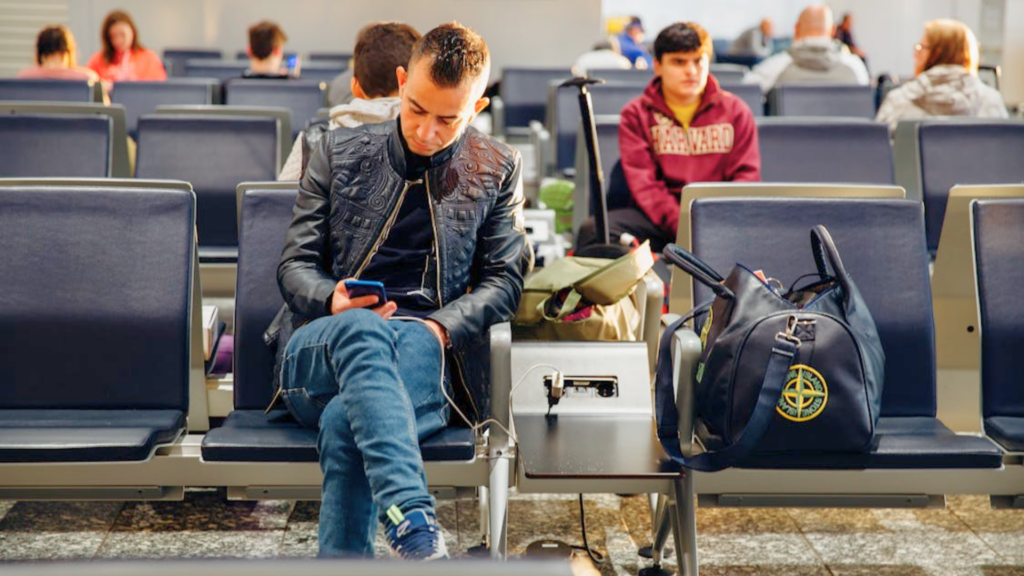
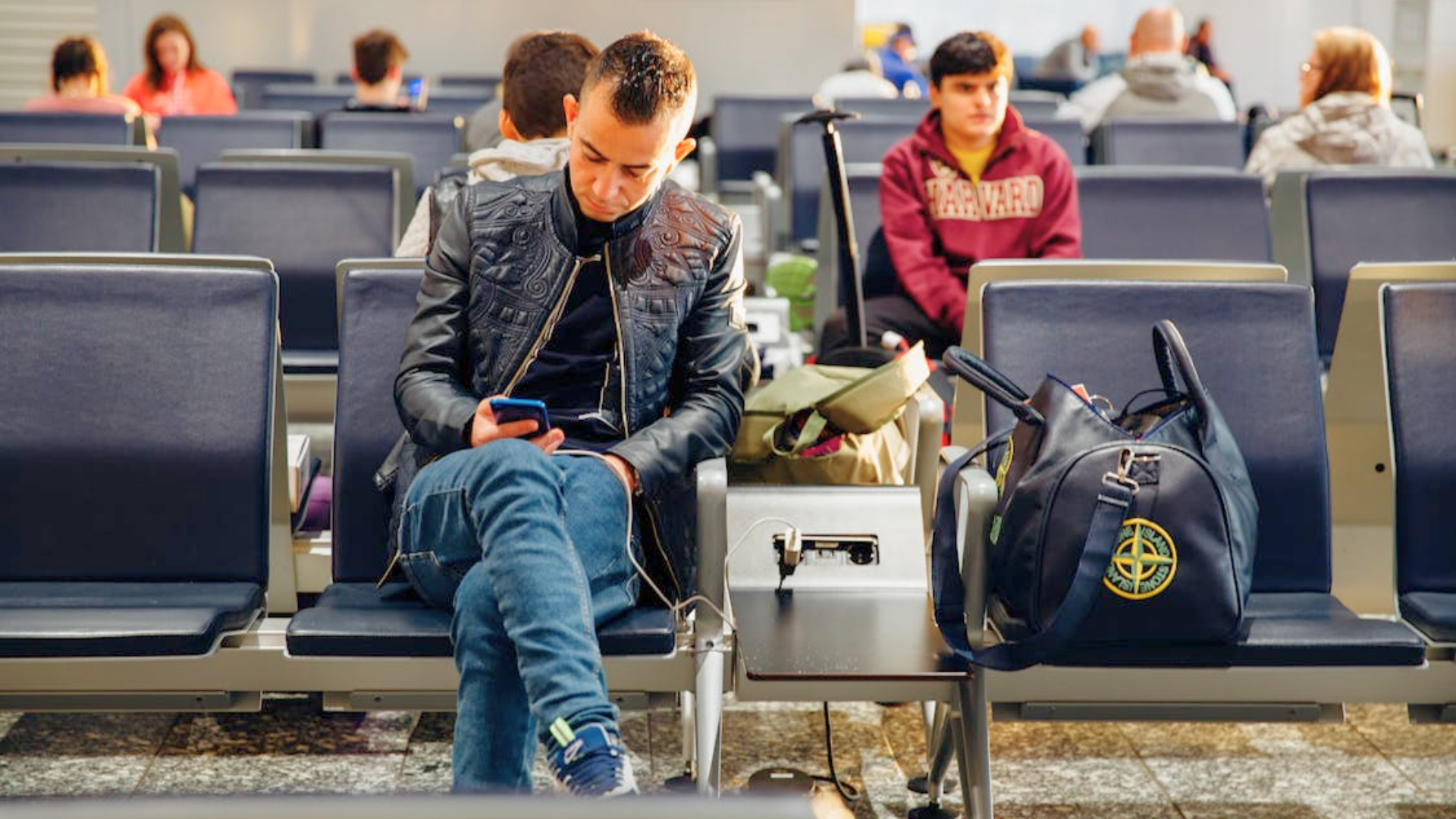
A new travel warning has sparked concern after reports revealed that Americans passing through Hong Kong International Airport could be required to hand over phone passwords under updated security rules. The policy stems from changes tied to Hong Kong’s national security laws, significantly expanding authorities’ ability to access personal electronic devices. For travelers used to strong privacy protections at home, the development marks a major shift in what to expect abroad.
The updated rule means that anyone in Hong Kong including tourists and even those simply transiting through the airport may be asked to unlock their phones or provide passwords if requested by authorities. According to official alerts, refusing to comply is now considered a criminal offense, raising the stakes for international travelers. This has prompted warnings from U.S. officials urging Americans to understand the risks before entering or passing through the region.
What makes the situation particularly striking is that it applies broadly, not just to suspects in criminal cases but potentially to ordinary travelers under certain circumstances. The rule highlights how drastically digital privacy expectations can differ depending on the country. For many, it serves as a wake-up call about the limits of personal data protection when crossing international borders.
What the New Rule Actually Means
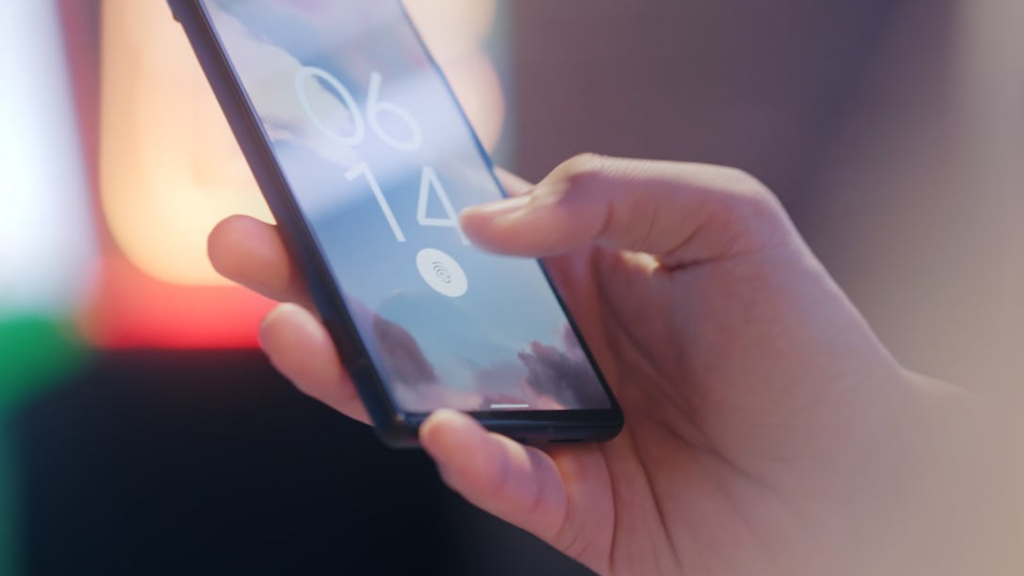
Under the revised regulations, law enforcement in Hong Kong can require individuals to provide passwords or other assistance to access devices such as smartphones, laptops, and tablets. This authority comes from updates to the region’s national security framework, which grants broader investigative powers tied to security concerns. In practice, that means travelers may be asked to unlock devices on the spot during inspections.
Refusing to provide access is no longer just a delay or inconvenience it can lead to serious legal consequences, including fines or even jail time. Reports indicate that noncompliance could result in penalties of up to a year in prison, while providing false information could carry even harsher punishment. These strict measures underscore how seriously authorities are treating digital access under the updated law.
Authorities also have expanded powers to seize and retain electronic devices if they believe the contents may be linked to national security concerns. This means that even after unlocking a device, travelers could still have their phones or laptops taken for further examination. Such policies have raised concerns among privacy advocates about oversight and the potential for broad enforcement.
Why It’s Raising Global Concerns
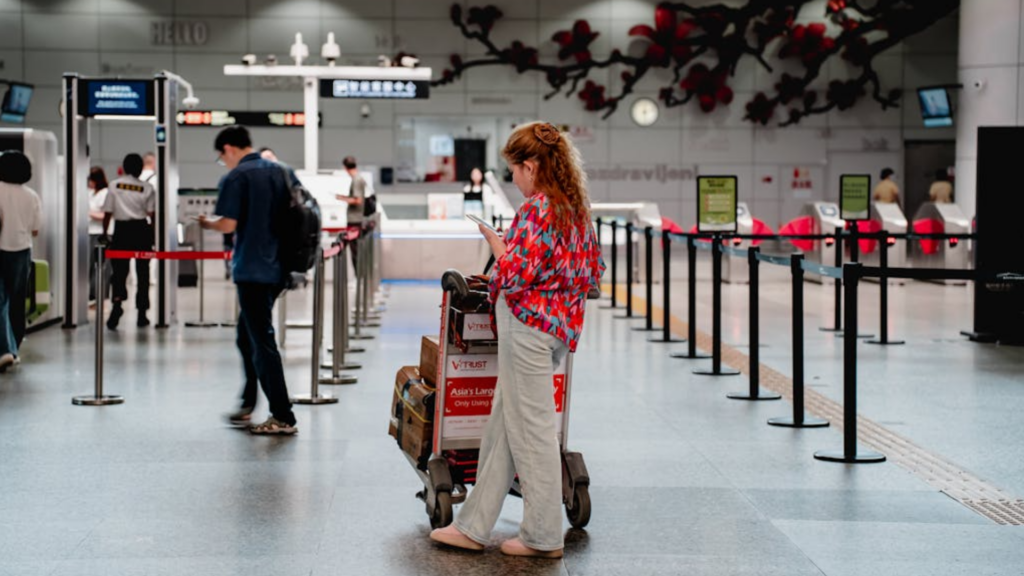
Privacy experts say the rule represents a significant escalation in how governments can access personal digital information. Smartphones today hold everything from private messages to financial data, making forced access particularly sensitive. Critics argue that requiring passwords without strong judicial oversight could undermine basic privacy rights.
The situation also highlights how digital privacy laws vary widely around the world, often catching travelers off guard. In the United States, for example, border agents may search devices, but refusing to provide a password is not itself a criminal offense, even though devices may be seized. This contrast makes the Hong Kong rule especially notable for Americans accustomed to different legal protections.
Travel experts now advise people to prepare before visiting destinations with strict digital access laws, including limiting sensitive data stored on devices. Some even recommend using temporary or “clean” devices when traveling internationally to reduce risk. As global travel resumes at scale, these kinds of policies are becoming an increasingly important consideration for safety and privacy.
A New Reality for Digital Privacy While Traveling
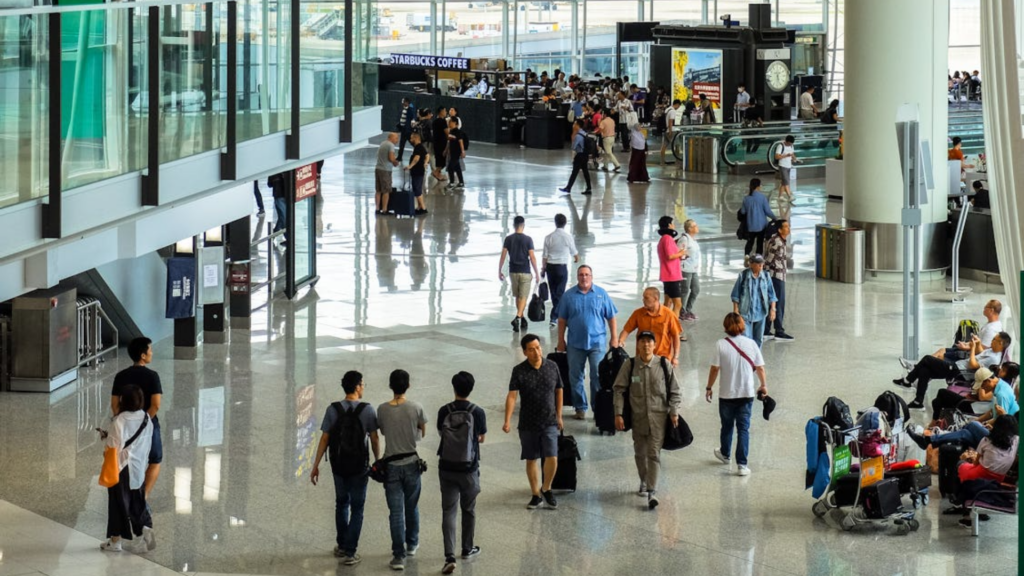
The new rule affecting travelers through Hong Kong signals a broader shift in how governments approach digital security and personal data access. What once seemed like private information stored on personal devices is now subject to scrutiny in certain parts of the world. For Americans and other international travelers, this marks a major change in expectations when crossing borders.
Understanding local laws before traveling has never been more important, especially as technology becomes central to everyday life. Being aware of potential requirements to unlock devices or share passwords can help travelers avoid unexpected legal trouble. Preparation and caution are now essential parts of the modern travel experience.
Ultimately, this development reflects a growing tension between national security and individual privacy in a digital age. As more countries adopt similar measures, travelers may need to rethink how they carry and protect personal data abroad. Staying informed is the best defense in a world where even your smartphone can become part of a security check.