

Products are selected by our editors, we may earn commission from links on this page.
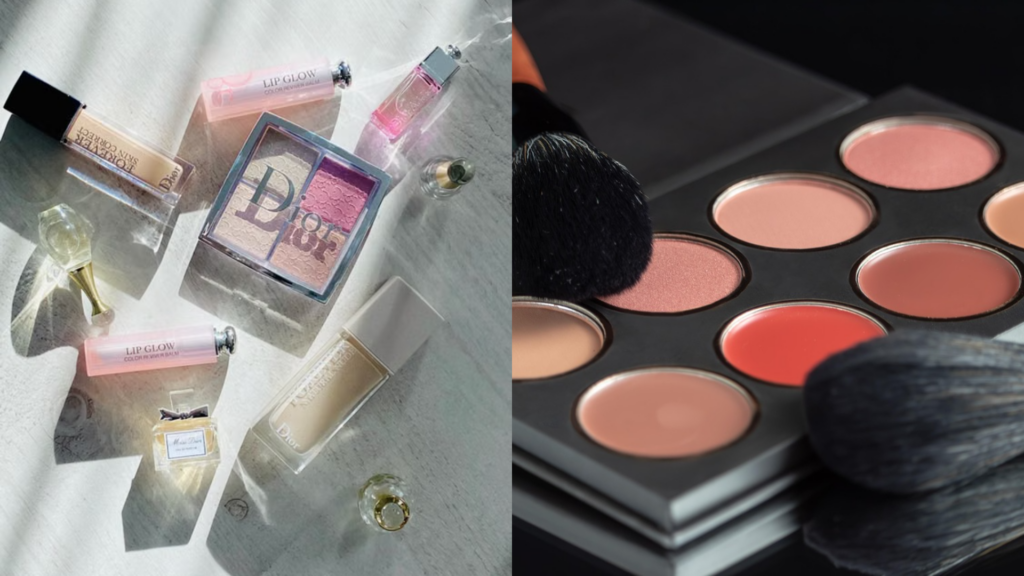
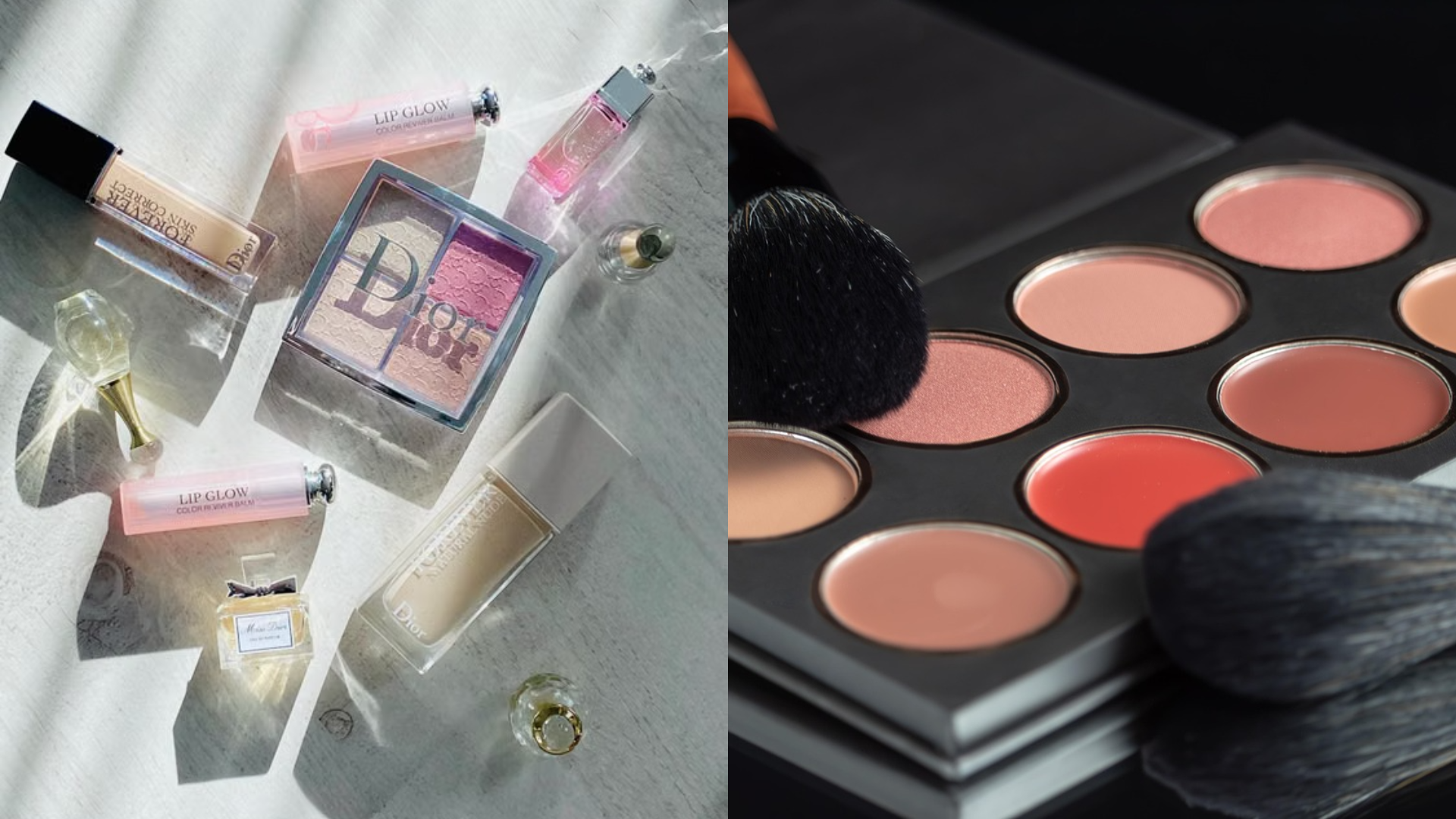
Spending $49 on a single powder used to feel like the cost of admission to good makeup. That assumption is starting to crack. Shoppers are increasingly deciding that a $10 version can do the same job, and one Australian beauty brand has built its entire identity around convincing them they are right. Over one weekend in Manhattan, that bet turned into a genuine spectacle.
MCoBeauty took over two full days in Manhattan’s SoHo neighborhood. The pop-up felt closer to a street festival than a product launch. More than 4,000 fans lined up around several city blocks for a chance at over 35,000 free products, handed out in bags deliberately designed to look almost identical to Sephora’s. Inside, visitors spun prize wheels, sipped free hot chocolate, and waited for a meet-and-greet with 15-year-old TikTok star Embreigh Courtlyn.
Some fans treated the event like a genuine pilgrimage. Courtlyn told The Hollywood Reporter that one attendee arrived at 5 p.m. the night before and slept in her car outside, while another flew in from London just for the weekend. Supporting the brand felt meaningful to her, she said, because “you don’t need to pay so much money” to get a good makeup base. That conviction, shared by thousands of shoppers, traces back to a specific business philosophy.
MCoBeauty Turned a ‘Dirty Word’ Into a Marketing Strategy

MCoBeauty was founded in 2016 by Australian entrepreneur Shelley Sullivan. The brand has expanded rapidly beyond its home market. It now sits on shelves at major U.S. retailers, including Target and Kroger, and has built a large social media following in the process. Its tagline captures the entire pitch in three words: “Luxury for Everyone.” Unlike brands that avoid comparisons to pricier competitors, MCoBeauty leans directly into them.
MCoBeauty’s chief marketing officer for North America, Meridith Rojas, remembers when “dupe” still felt taboo online. Fans would spell it “d-o-o-p” to avoid saying it outright. Rojas says the company deliberately took “the shame out of it,” embracing the word instead of dodging it. The philosophy shows up directly in pricing: Charlotte Tilbury’s Airbrush Flawless Finish Powder sells for $49, while MCoBeauty’s comparable Miracle Flawless Pressed Powder costs $9.99.
The company insists the products perform at the same level as their prestige inspirations, not just resemble them visually. It won’t say how, though. MCoBeauty declines to share details about how it replicates the chemistry of the originals, calling that process a closely guarded secret. That gap between openness about copying the look and secrecy about copying the formula points to a real legal line most shoppers never think about.
Copying the Look Is Legal. Copying the Logo Is Not.
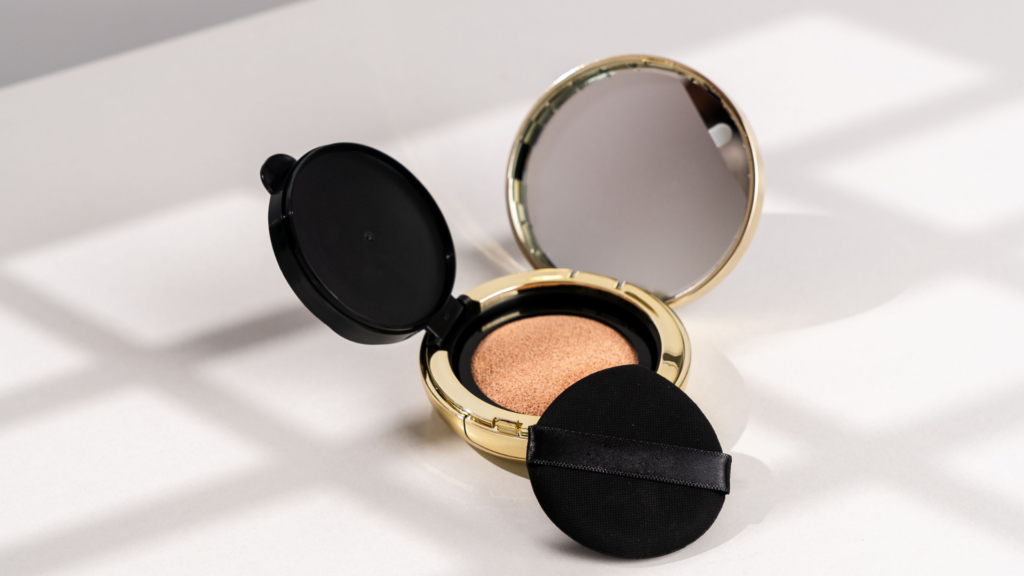
There is a specific legal line here. It separates a dupe from an outright counterfeit. A brand can legally mimic another product’s appearance, packaging style, and general aesthetic, but it cannot use the original company’s actual logo or name anywhere on the product. That is the difference between a legitimate dupe and the kind of fake designer handbag sold off a blanket on a New York City sidewalk.
MCoBeauty’s marketing follows the same cheeky logic as its products. Last year, the company’s head of social media spotted a Timothée Chalamet lookalike contest happening in Washington Square Park and decided to hijack it. The team flew out a lookalike from Wisconsin, someone who had never been on a plane before, and sent him into the crowd handing out contour sticks in an MCoBeauty bag. The real Timothée Chalamet showed up shortly after, and the moment went viral.
A human dupe handing out makeup at a celebrity lookalike contest sounds like a one-off gag. It is not. Inside MCoBeauty, it reflects a consistent strategy: find the cultural moment people are already paying attention to, and show up inside it rather than interrupting it with a traditional ad. That same instinct shapes almost everything the brand does with the influencers it works with.
MCoBeauty Has Worked With 8,000 Creators Since Launching in the US
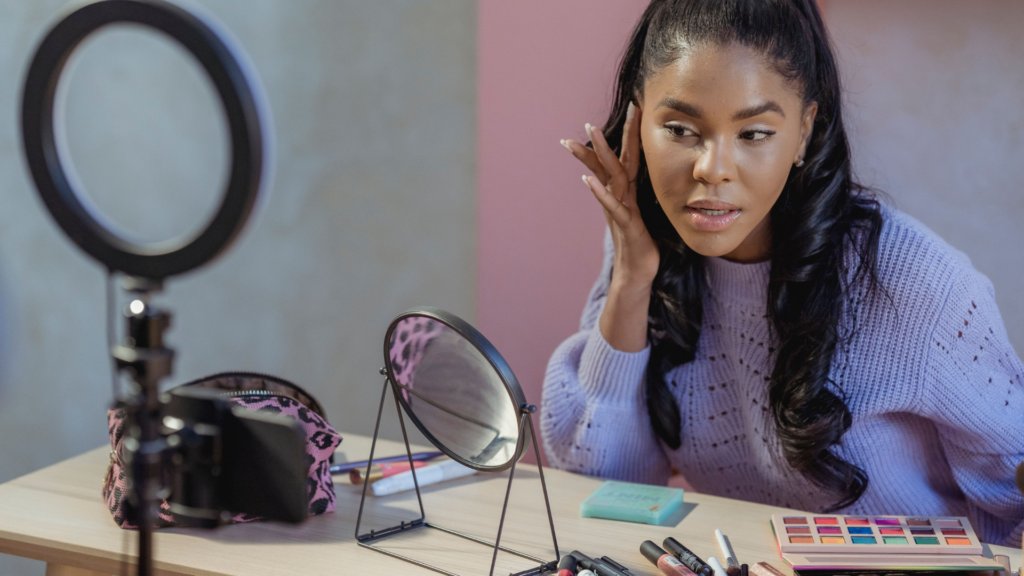
Influencer partnerships sit at the center of MCoBeauty’s strategy. The scale is significant. The company says it has worked with 8,000 creators since launching in the United States, ranging from Bethenny Frankel to TikTok personality Campbell Puckett, known online as “Pookie.” The brand has also appeared directly inside existing shows, including a season three episode of The Secret Lives of Mormon Wives.
The brand’s leadership treats this as a direct replacement for advertising. Rather than buying magazine spreads or television spots, the company treats relationships with creators as the actual marketing budget itself, betting that a familiar face telling a genuine story lands harder than a script read by an actor. The goal, according to the company, is to enter conversations organically rather than simply interrupting them with a logo.
What MCoBeauty is really selling extends past any single product. It is selling permission, permission to say out loud that a $49 price tag was never really about the ingredients inside the compact. Luxury beauty has spent decades relying on customers not asking that question too closely. A brand willing to answer it, loudly and without embarrassment, was probably always going to find an audience.