

Products are selected by our editors, we may earn commission from links on this page.
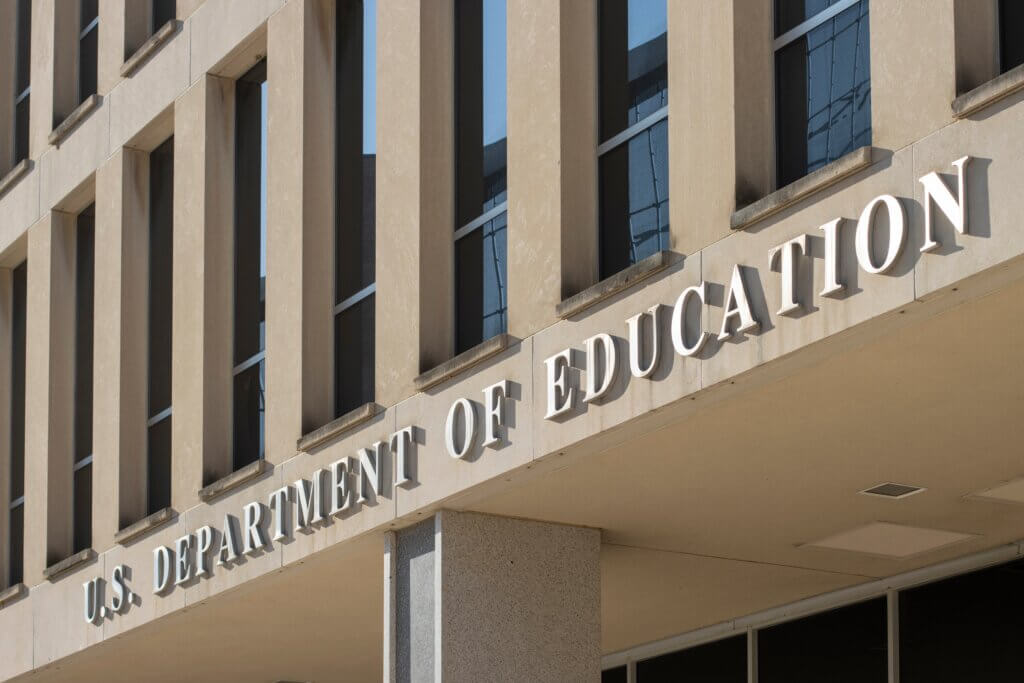
Identity theft often ends with stolen credit cards or fraudulent purchases. For one Washington man, however, it allegedly led to a federal student loan bill and a legal battle with the U.S. Department of Education over debt he insists belongs to someone else.
Kenneth Snyder, a resident of Kent, Washington, has filed a lawsuit against the Department of Education Secretary Linda McMahon, and Federal Student Aid Chief Operating Officer Richard Lucas after receiving a bill for nearly $6,000 tied to a federal student loan he says he never applied for. According to the complaint, Snyder only discovered the account after spotting it on his credit report in 2024.
The case highlights a growing form of education-related identity theft in which criminals allegedly use stolen personal information to obtain federal financial aid, leaving victims to untangle the financial and legal consequences long after the money has disappeared.
How an Identity Theft Scheme Turned Into Federal Debt
According to the lawsuit, someone used Snyder’s name, Social Security number, and date of birth to enroll at Sussex County Community College in New Jersey in March 2024. The individual allegedly signed a Master Promissory Note for a $5,500 federal student loan and also received a $7,000 Pell Grant despite Snyder saying he has never lived in or attended school in New Jersey.
The complaint describes the operation as “dropout fraud.” Under this scheme, a fraudster enrolls in college using another person’s identity, secures federal financial aid, quickly withdraws from classes, and keeps refunded loan proceeds before disappearing. Authorities reportedly told Snyder that the investigation involves multiple victims and that similar fraud had been reported at the college as early as 2022.
According to Newsweek, financial literacy experts said these scams appear to be becoming more common because victims often remain unaware until fraudulent loans appear on credit reports or repayment notices begin arriving months later.
Months of Evidence Still Didn’t End the Dispute

After discovering the account, Snyder says he filed identity theft reports with the Federal Trade Commission, local police, the FBI’s Internet Crime Complaint Center, and authorities in New Jersey. He also disputed the account with credit bureaus and contacted loan servicer Nelnet, which reportedly confirmed that the account contained his Social Security number but listed unfamiliar contact information.
The lawsuit says Snyder later submitted extensive documentation to prove the loan was fraudulent, including a letter from Sussex County Community College stating that he was not the individual who received the student loan or Pell Grant. He also provided a lengthy affidavit along with educational records, financial documents, utility bills, and other evidence supporting his identity.
Despite those submissions, Snyder alleges he never received a final agency decision. Instead, on June 24, 2026, he received a statement showing a loan balance of $5,971.88 with monthly payments scheduled to begin in July. He is now asking the court to declare the debt invalid, stop collection efforts, and award damages.
The Case Reflects a Larger Fight Against Student Aid Fraud

Snyder’s lawsuit comes as lawmakers push to strengthen identity verification throughout the federal student aid system. The House recently approved the No Aid for Ghost Students Act of 2026, legislation that would require additional fraud screening for FAFSA applications before federal aid is distributed. The proposal still requires Senate approval and the President’s signature before becoming law.
Experts say stronger verification at the front end could prevent many of these cases. They argue that once fraudulent aid is paid out, recovering the money becomes significantly more difficult, while innocent victims often spend months or years trying to clear debts they never created.
The lawsuit also unfolds as the Department of Education rolls out new repayment initiatives, including temporary interest-rate reductions for borrowers enrolled in automatic payments and new repayment plans intended to simplify federal loan management. While those programs aim to help legitimate borrowers, Snyder’s case illustrates how protecting the system from fraud remains an equally important challenge.