

Products are selected by our editors, we may earn commission from links on this page.
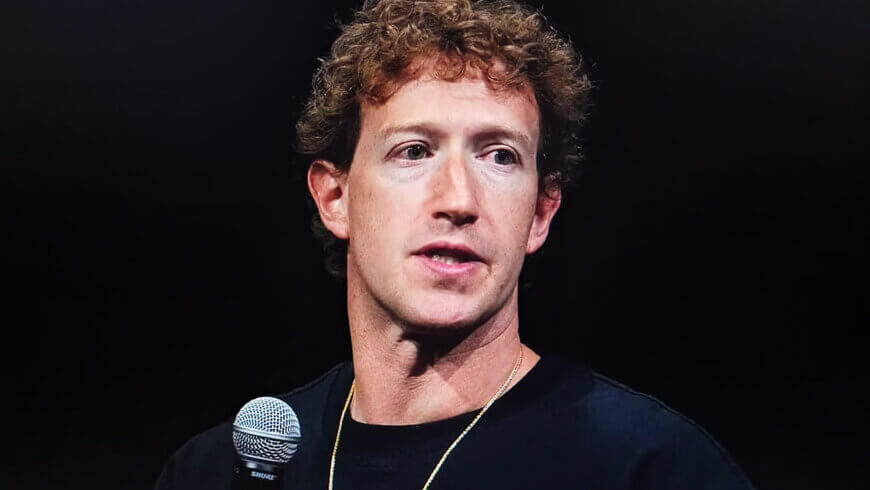
As California voters weigh a proposed 5% wealth tax on billionaires, one of the state’s most recognizable tech leaders is making a move. Meta CEO Mark Zuckerberg is purchasing a waterfront estate on Indian Creek, the ultra-private Miami enclave often referred to as the “Billionaire Bunker.” The reported relocation places him among a growing number of high-profile executives who have established residency in Florida.
Fox Business reported that Zuckerberg and his wife, Priscilla Chan, are buying a newly built mansion on the guarded island, joining neighbors that include Jeff Bezos, Tom Brady, and Carl Icahn. Real estate broker Julian Johnston told Fox News Digital that since the new year, he has seen increased interest from California-based founders concerned about potential tax changes.
The timing of the move coincides with a ballot initiative backed by the Service Employees International Union–United Healthcare Workers West. The measure would impose a one-time 5% tax on the net worth of California residents whose assets exceed $1 billion. If approved, the tax would apply to individuals who were California residents as of January 1, 2026.
What the California Wealth Tax Would Do

The proposed Billionaire Tax Act would apply to roughly 200 to 250 residents, according to reporting by CNBC. The initiative includes a retroactive provision, meaning residency status on January 1, 2026 would determine liability, even though voters would not decide on the measure until November.
Christopher Manes of Manes Law told CNBC the retroactive date appears deliberate. “If they had made the date in November, after passage, you’d have 200 people who could get out in time and save millions of dollars,” he said. Attorneys interviewed in the report noted that California’s residency rules rely on a “closest connection” test, which weighs ties such as family, property, and business activity.
The Tax Foundation has argued that the proposal could produce liabilities well beyond the stated 5% in certain cases. Its analysis points to valuation rules that may calculate tax based on voting control rather than economic ownership, potentially forcing founders with super-voting shares to liquidate significant stakes to cover tax obligations.
A Growing Divide Over Taxing Extreme Wealth

Supporters of higher taxes on the ultra-wealthy frame the issue as a matter of public investment. Nearly 400 millionaires and billionaires signed an open letter at the World Economic Forum in Davos calling for increased taxes on the super-rich, The Guardian reported. The letter argues that extreme wealth is distorting politics and widening inequality.
Polling commissioned by advocacy group Patriotic Millionaires found that 77% of millionaires surveyed across G20 nations believe extremely wealthy individuals buy political influence. Two-thirds supported higher taxes on the super-rich to fund public services.
In California, the union backing the ballot initiative says the estimated $100 billion in revenue would help shore up healthcare funding. According to commentary published in CalMatters, the proposal would target investments and other assets beyond real estate. Governor Gavin Newsom has publicly opposed the measure, warning it could drive wealthy residents out of the state.
Why Florida is Becoming a Magnet
Florida’s appeal rests on simplicity. The state has no personal income tax, and it has become a hub for hedge fund managers, tech founders, and corporate executives. Indian Creek, where Zuckerberg is reportedly moving, is a 300-acre island village with its own police force and a single guarded bridge, according to NBC 6 South Florida.
Jeff Bezos also relocated to Miami, purchasing multiple properties on the island. Real estate agents told Fox Business that the prospect of a California wealth tax has accelerated conversations among founders weighing residency changes. “You’re talking about the most portable class in America,” tax partner Jon Feldhammer told CNBC, describing how billionaires can mobilize quickly to change residency.
Whether the California initiative passes remains uncertain. Legal challenges are widely expected, particularly regarding the retroactive residency date. In the meantime, high-net-worth individuals appear to be making decisions based on the possibility rather than the outcome, reshaping the geography of wealth before voters cast their ballots.