

Products are selected by our editors, we may earn commission from links on this page.
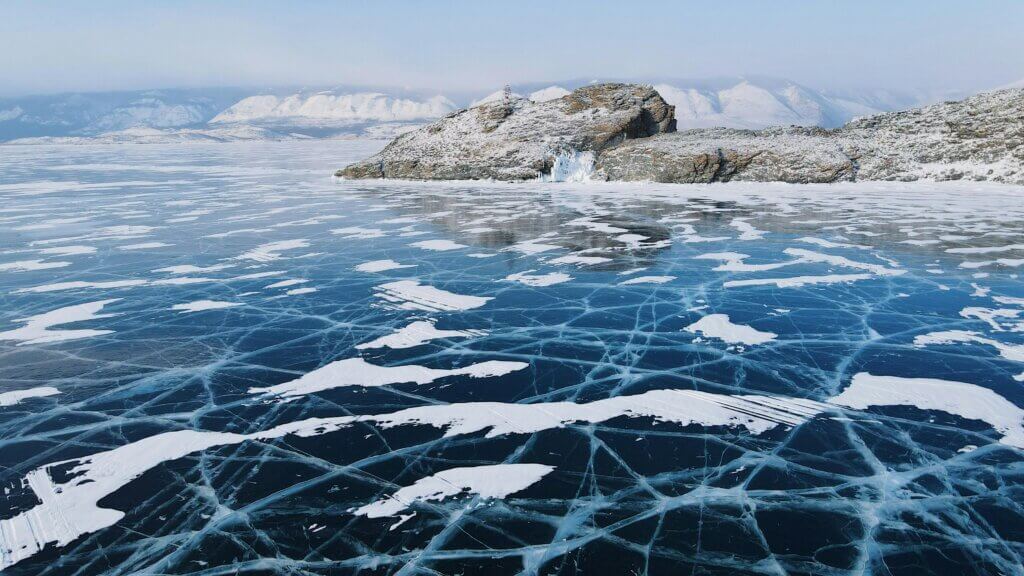
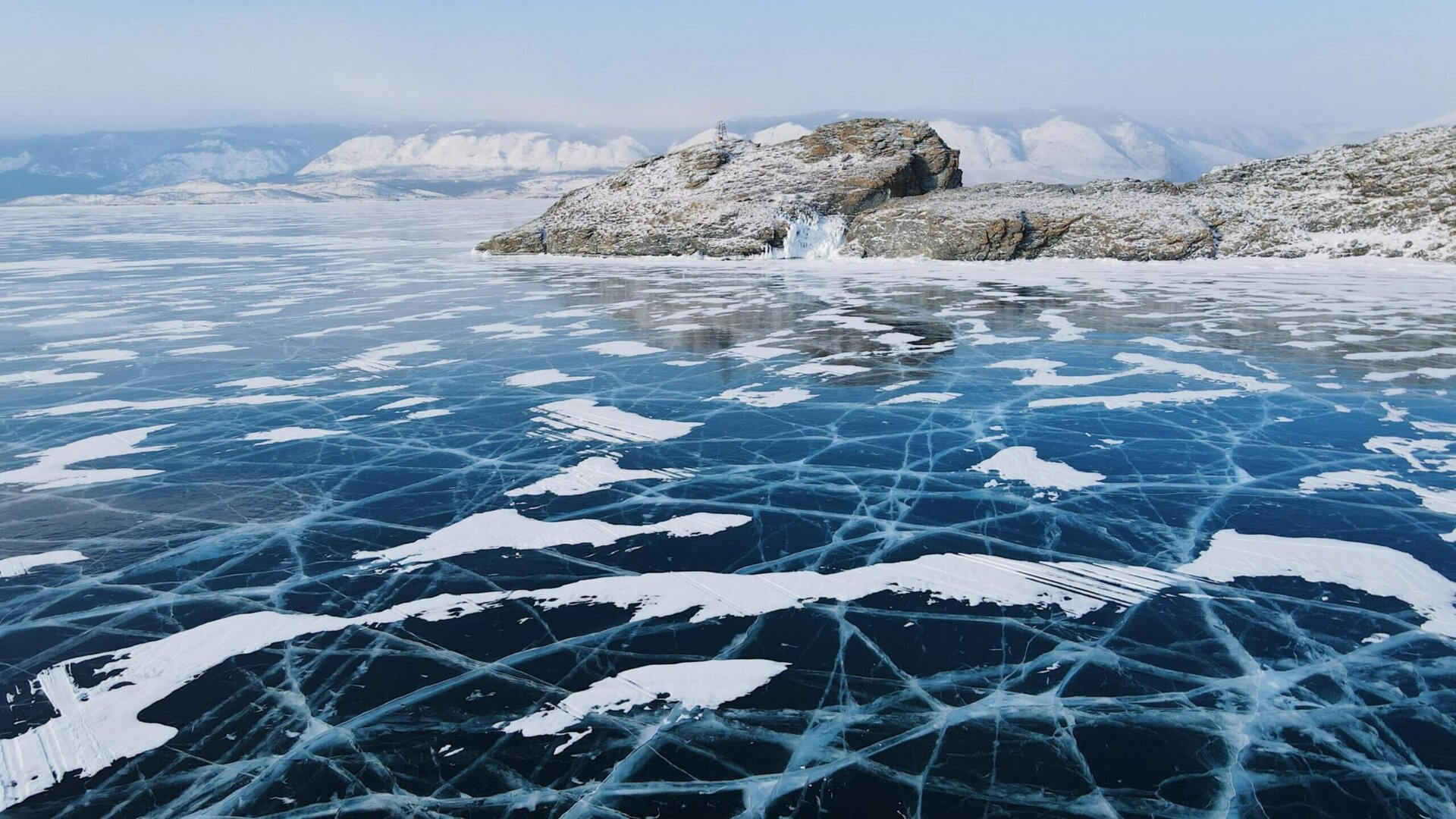
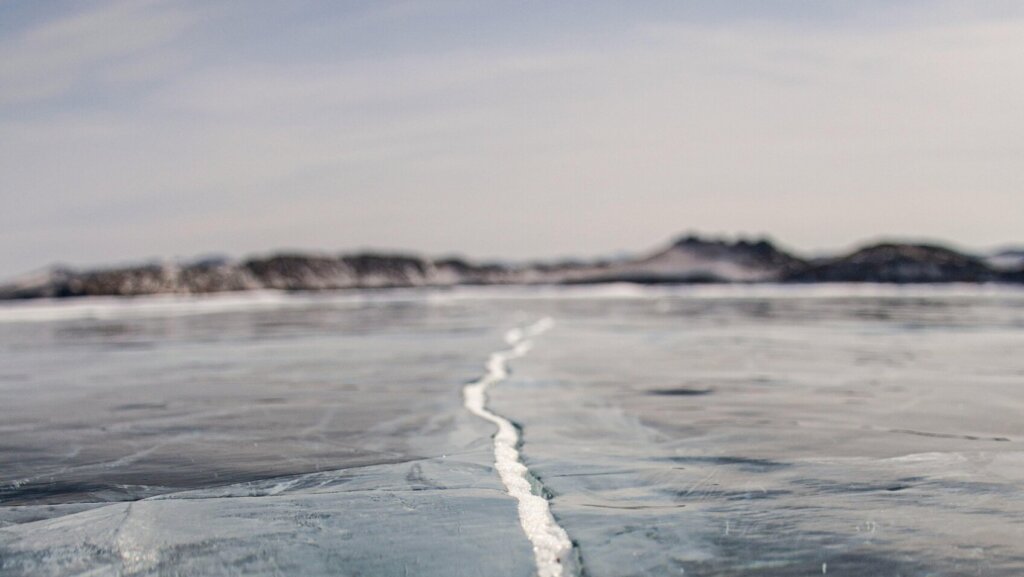
The frozen surface of Lake Erie has nearly reached a rare winter milestone, but not without spectacle. Over the weekend, as Arctic air tightened its grip on the Great Lakes region, a dramatic crack more than 80 miles long tore across the ice-covered lake, forming a stark, winding scar visible from above.
The fracture extended from near the Canadian shoreline toward the Cleveland area, unfolding after powerful winds swept across the basin on Friday and Saturday. The ice, already thick and widespread, was pushed and pulled in opposing directions, creating immense stress across the frozen surface.
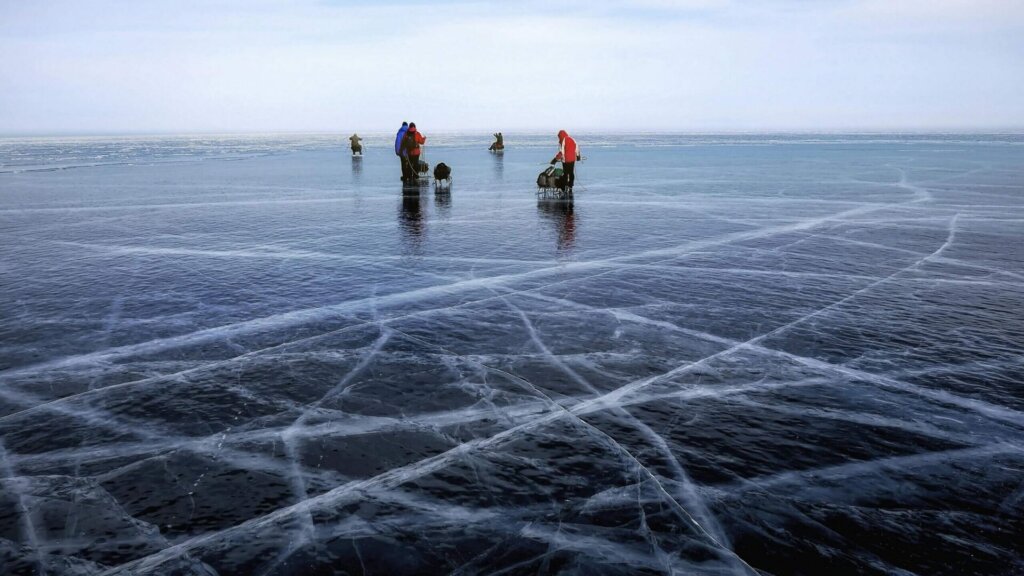
Such ruptures may appear extraordinary, but they are not unprecedented. When the lake approaches full ice coverage, wind shifts and subtle temperature swings can set massive sheets of ice in motion. As they drift, collide, and separate, long openings form, carving temporary corridors of dark water through the white expanse.
Will Lake Erie Reach Total Ice Coverage?
As of this week, data from the NOAA Great Lakes Environmental Research Laboratory indicates that Lake Erie is approximately 95 percent covered in ice. That figure places the lake on the brink of a threshold it has rarely crossed.
Despite the deep freeze, persistent winds have kept small sections of open water exposed, particularly in the western basin. These pockets resist closure when gusts churn the surface, preventing ice from locking into place. Whether the lake achieves full coverage may depend less on temperature and more on wind patterns in the coming days.
Since record-keeping began in 1973, Lake Erie has achieved 100 percent ice coverage only three times. The rarity underscores how unusual such a moment would be, even in a winter marked by prolonged cold.
Shoreline Hazards and the Power of Moving Ice
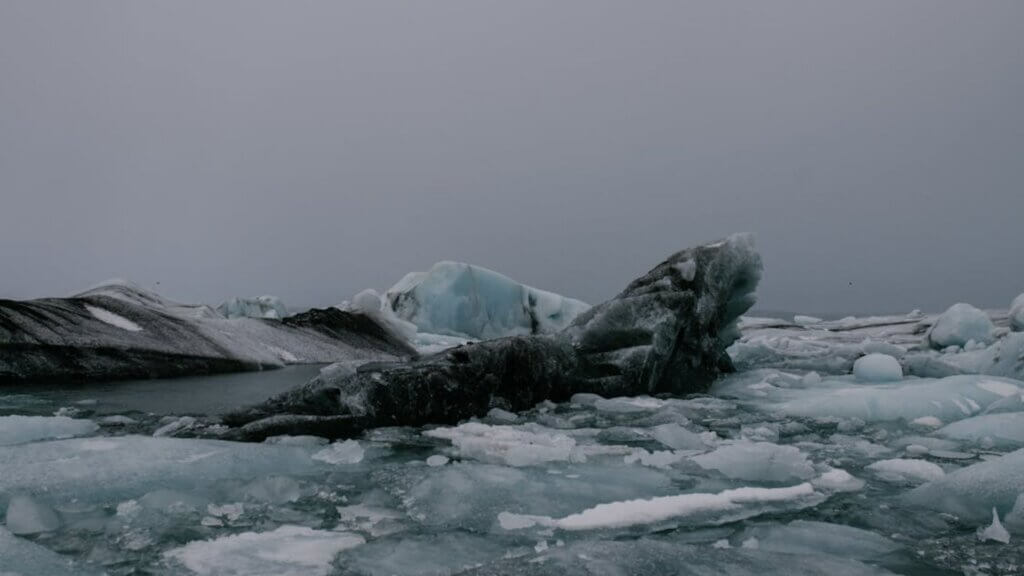
The same winds that split the lake’s frozen surface also forced ice toward shore, where it can accumulate into thick ridges. In vulnerable coastal zones, these formations exert intense pressure on docks, breakwalls, and lakeside properties. When large sheets compact together, they can behave less like brittle ice and more like a slow moving wall.
Communities along Ohio’s northern coast and the Canadian shoreline are familiar with this phenomenon. Sudden wind shifts can rearrange the lake’s frozen landscape within hours, transforming open water into tightly packed slabs or driving ice inland. Even when dramatic cracks appear offshore, the shoreline often feels the more tangible consequences.
These shifting conditions also complicate winter navigation and emergency planning. Ice that appears stable one day can fracture or drift the next, underscoring how dynamic a frozen lake truly is beneath its calm exterior.
What the Ice Means for Spring and Beyond
Meteorologists caution that the lake’s near-total freeze may not last. According to AccuWeather Great Lakes expert Brandon Buckingham, signs of a mid-February warmup could narrow the window for Lake Erie to reach complete coverage. Even a modest temperature rise, combined with steady winds, can reopen gaps and thin fragile sections.
Ice coverage plays a quiet but important role in shaping the seasons that follow. Extensive ice can delay shoreline warming, keeping lakeside communities cooler well into spring. Areas within a few miles of the water often experience lingering chill, as the frozen surface reflects sunlight and slows the seasonal transition.
Whether Lake Erie ultimately seals its remaining five percent or falls just short, this winter has already delivered a striking reminder of the lake’s power. The 80-mile fracture, etched across a nearly frozen basin, illustrates that even in its coldest state, the Great Lake remains restless, responsive to wind, temperature, and the subtle forces that continue to shape its surface.