

Products are selected by our editors, we may earn commission from links on this page.
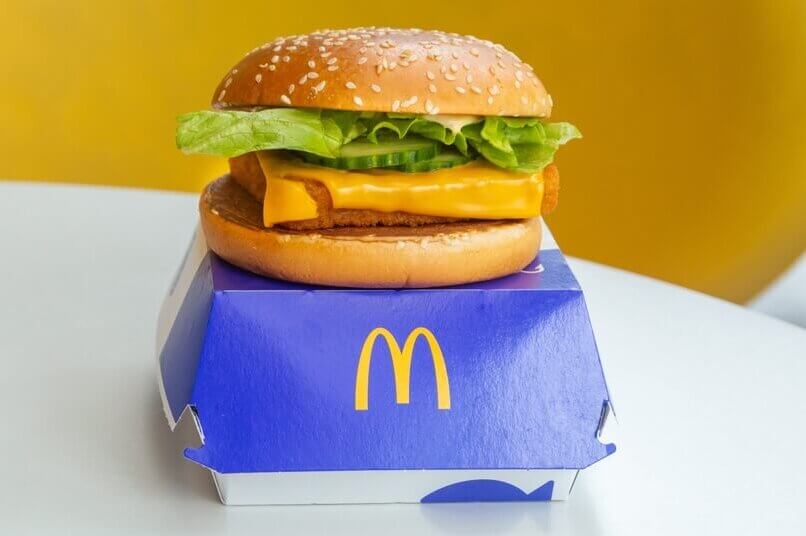
McDonald’s has made a rare move, updating one of its most enduring menu items. The Filet-O-Fish, a quiet constant on the menu for six decades, is getting a major makeover. Over the Summer, the chain debuted the Double Filet-O-Fish, a permanent addition that doubles the sandwich’s signature fish patties and reignites global attention around an unlikely star.
The Strategy Behind the Switch
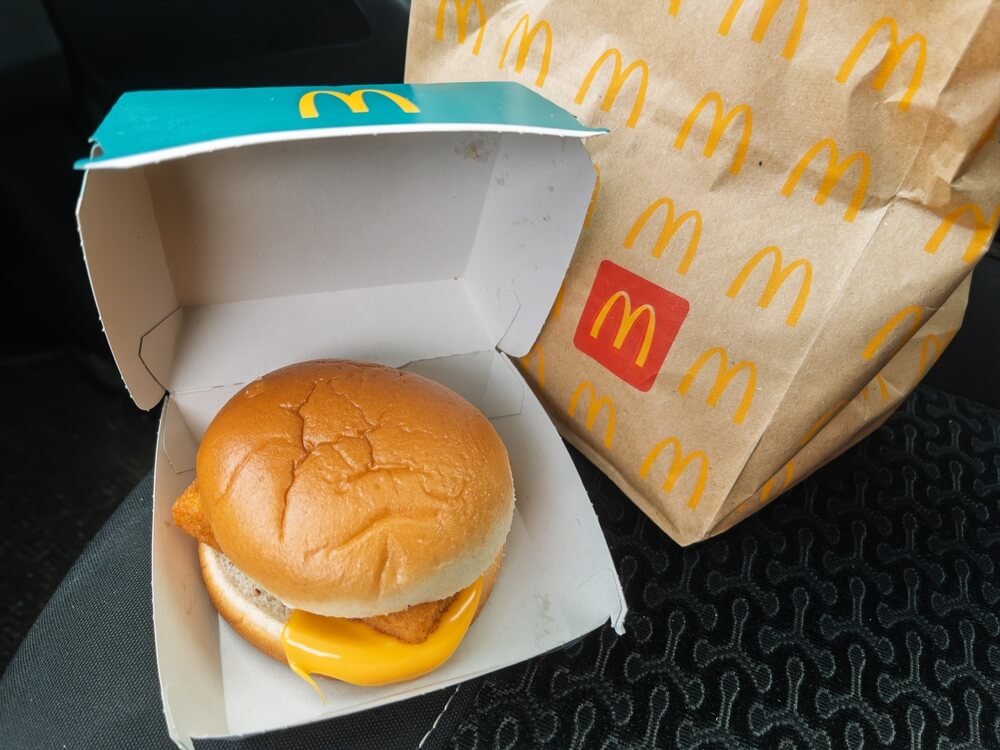
The change is part of McDonald’s effort to refresh its core menu while keeping legacy items relevant in a crowded fast-food landscape. It’s the first modification to the sandwich since its 1965 debut. The move complements a broader rollout of premium items like the Big Arch Burger, signaling that the company is doubling down on nostalgia-driven innovation.
A Product Born from Simplicity

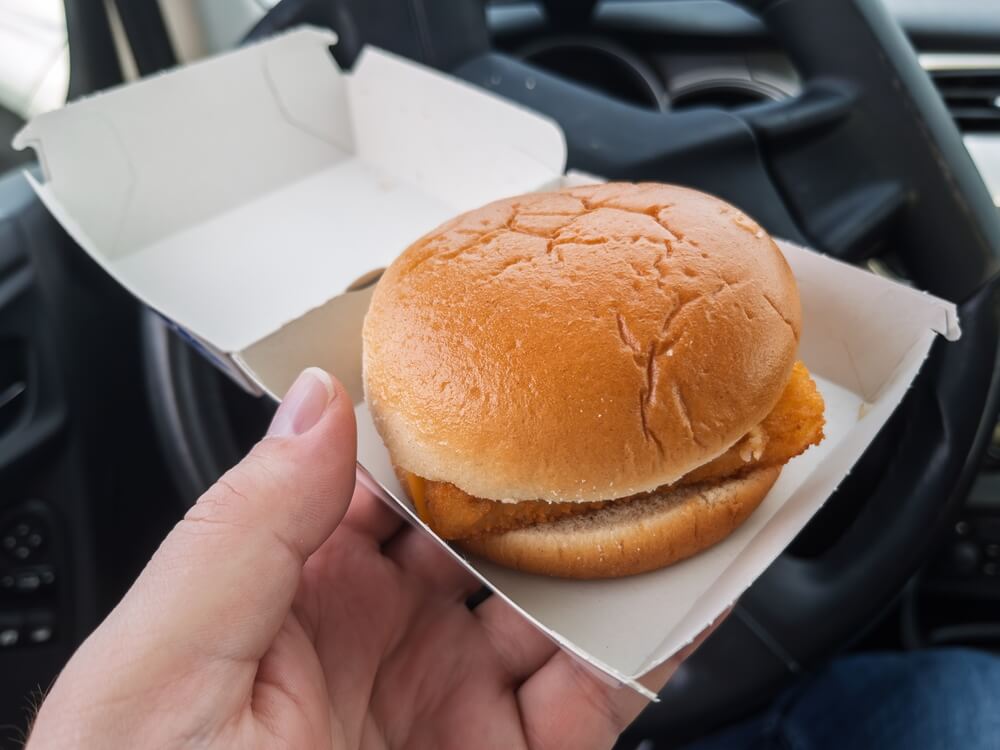
The Filet-O-Fish was originally conceived to appeal to Catholic customers avoiding meat on Fridays, but it has since become a global favorite for its mild, comforting flavor. The new version, featuring two crispy Pollock fillets, melted cheese, and tartar sauce on a steamed bun, reflects McDonald’s understanding that comfort sells best when it comes in a bigger bite.
The Business of Nostalgia
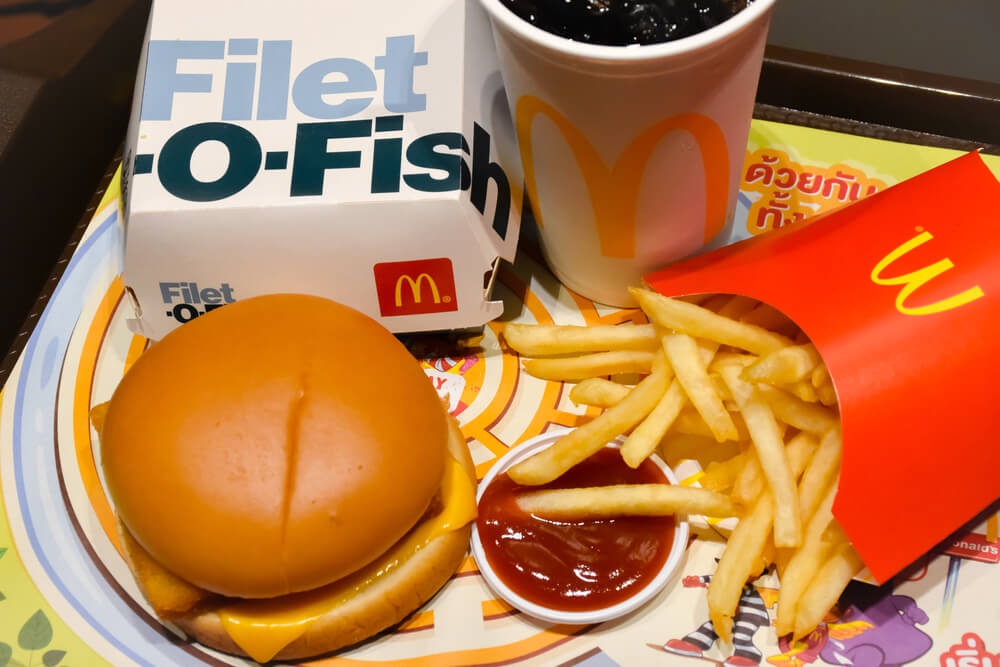
Nostalgia has become one of McDonald’s strongest currencies. Over the past five years, the chain has successfully revived legacy menu items and marketing icons to strengthen its emotional bond with customers. This year’s update ties directly into that strategy, positioning the Filet-O-Fish not as a novelty but as a reaffirmation of the brand’s heritage.
Pricing and App-Driven Promotion
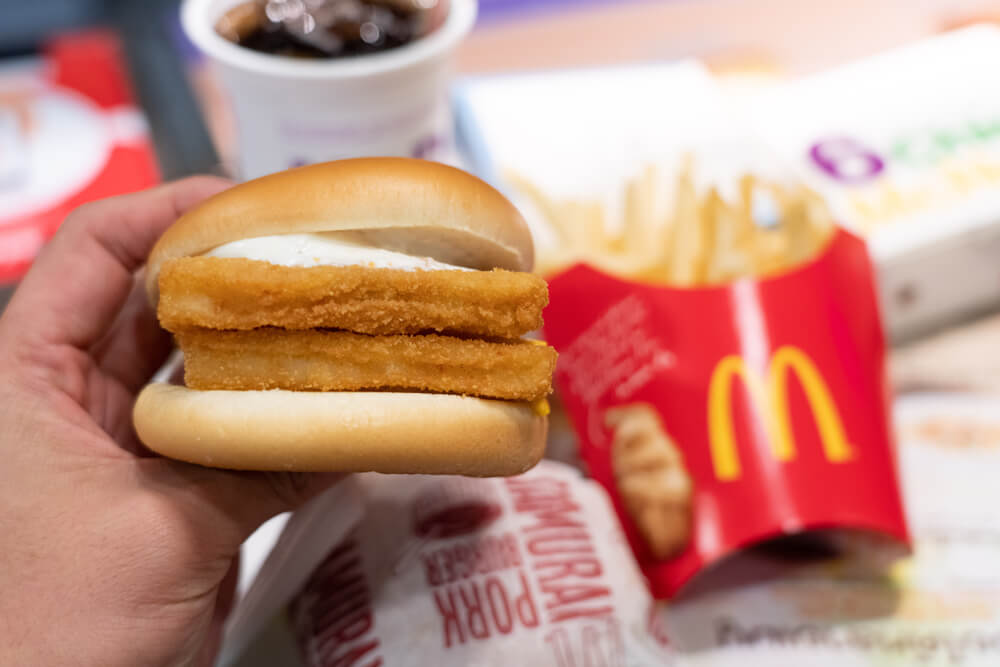
On launch day, McDonald’s has sold the new Double Filet-O-Fish for just $2 via its mobile app, compared to the standard $5.29 price point. The discount is designed to push digital orders and reward app users, a move that mirrors the chain’s global shift toward app-based engagement. Analysts say these promotions are less about margin and more about data, turning customer enthusiasm into long-term digital loyalty.
The Reveal: A Marketing Hook Hiding in Plain Sight
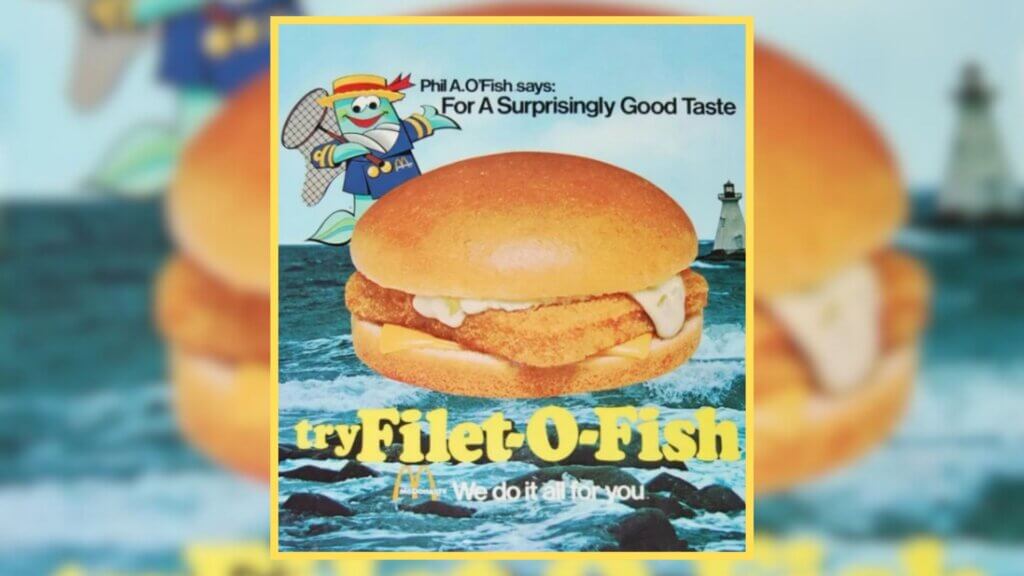
McDonald’s didn’t stop at a bigger sandwich. To accompany the relaunch, the company resurrected a long-retired mascot, Phil A. O’Fish, to star in a playful campaign settling an age-old question: how do you pronounce “Filet”? The official answer—“Fil-LAY”—not only charmed social media but also reignited discussion around a menu item that hadn’t trended in decades.
The Power of Fan Communities
The relaunch also sparked renewed engagement in a Facebook group called The Filet-O-Fish Society, originally founded in 2012. In just days, the group gained thousands of new members sharing nostalgia-fueled posts and fan recipes. For McDonald’s, this organic reaction is gold—a reminder that brand fandom often starts in unexpected corners of the menu.
A Signal of What’s Next
Behind the humor and nostalgia lies a more serious play. McDonald’s has increasingly shifted focus toward its “core equity” products—burgers, chicken sandwiches, fries, and now fish. Industry analysts see the Filet-O-Fish update as part of a broader recalibration toward familiar comfort foods that carry global recognition but can be locally adapted for markets from Chicago to Shanghai.
Sustaining a Half-Century of Relevance
In the fast-food world, innovation often means removing items as fast as they appear. The Filet-O-Fish’s endurance and latest expansion illustrates McDonald’s balancing act between modern appetite and brand continuity. For a company that sells familiarity at scale, doubling the Filet-O-Fish isn’t just a menu update. It’s a statement of identity: even in 2025, the classics still have room to grow.