

Products are selected by our editors, we may earn commission from links on this page.
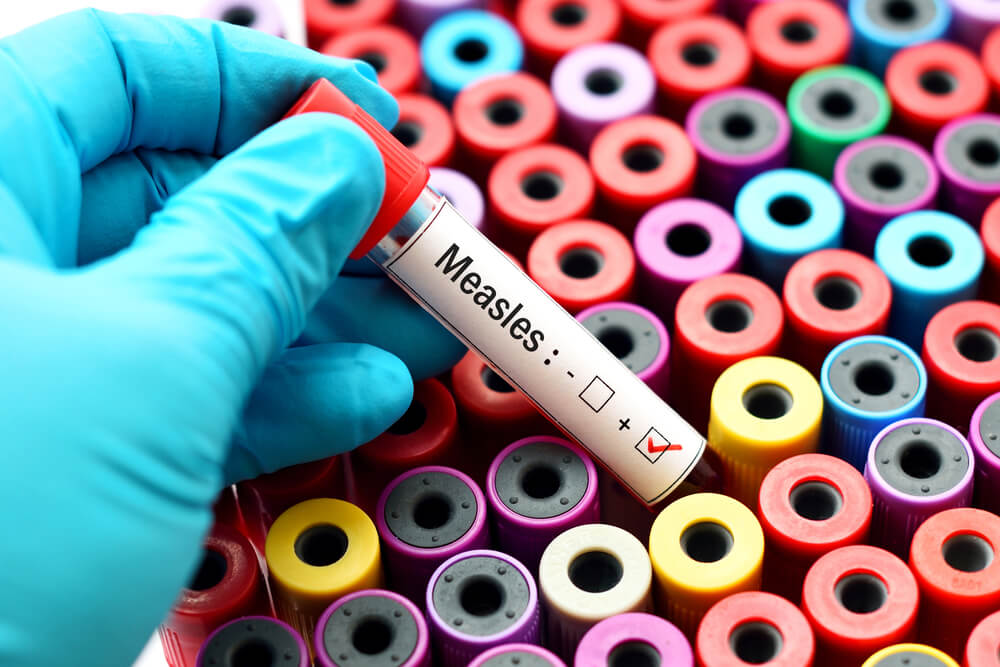
A disease once thought on the brink of elimination is surging back with alarming speed. Data from U.S. public health authorities show a steep increase in measles cases this year, with unvaccinated people making up the overwhelming majority of infections. The resurgence signals how fragile community protection can become when immunization rates slip—even slightly.
As of November 2025, the U.S. has reported 1,753 confirmed cases of measles, a dramatic increase from the 285 cases recorded in 2024. This represents the highest number of U.S. infections since measles was eliminated nationally in 2000. Most cases are tied to outbreaks in 43 jurisdictions, indicating sustained transmission rather than isolated importations.
Who Is Most at Risk
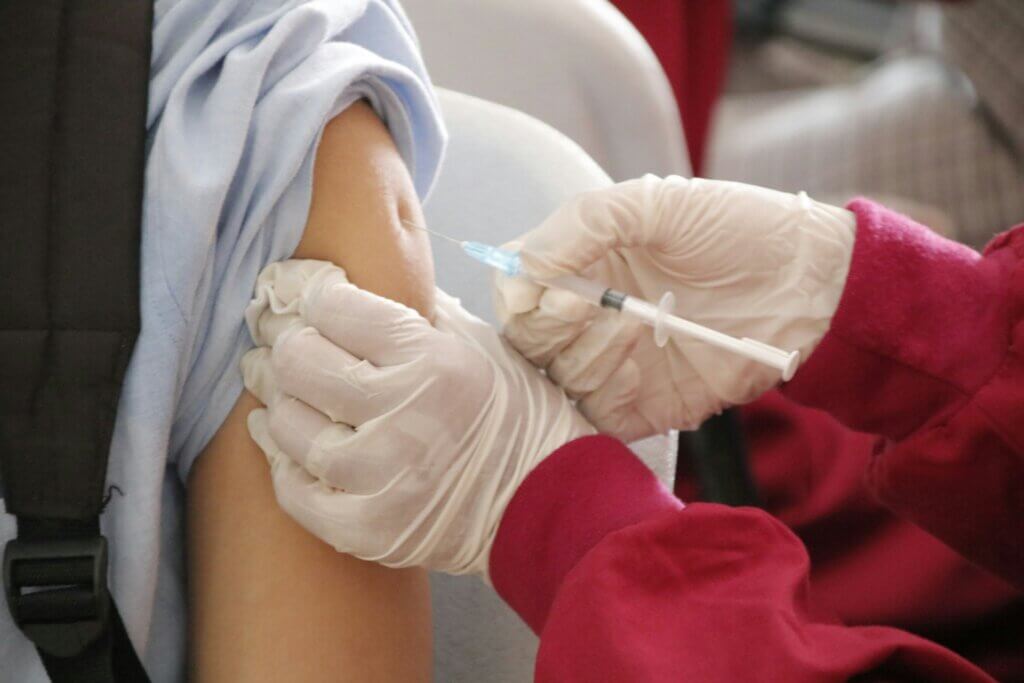
An estimated 92% of U.S. measles cases have occurred in people who were unvaccinated or whose immunization status is unknown. The disease spreads with extraordinary efficiency; up to 90% of susceptible individuals exposed to an infected person will become sick. The National Foundation for Infectious Diseases (NFID) notes that nearly 1 in 5 unvaccinated patients is hospitalized, while complications such as pneumonia, seizures, and brain swelling remain common.
Measles is a respiratory virus that travels through droplets released when infected individuals breathe, talk, sneeze, or cough. Those droplets remain infectious in the air or on surfaces for several hours, allowing rapid community spread. People can transmit the virus for four days before the characteristic rash appears, which makes containment extremely difficult.
Global health officials caution that spikes in measles infections act as a “fire alarm”—a warning that other vaccine-preventable diseases may soon follow. The WHO says even minor drops in childhood vaccination can open the door to outbreaks of whooping cough, polio, or diphtheria. Researchers point out that measles often appears first because its transmissibility exposes weaknesses in immunization coverage.
Immunization Gaps in the Americas
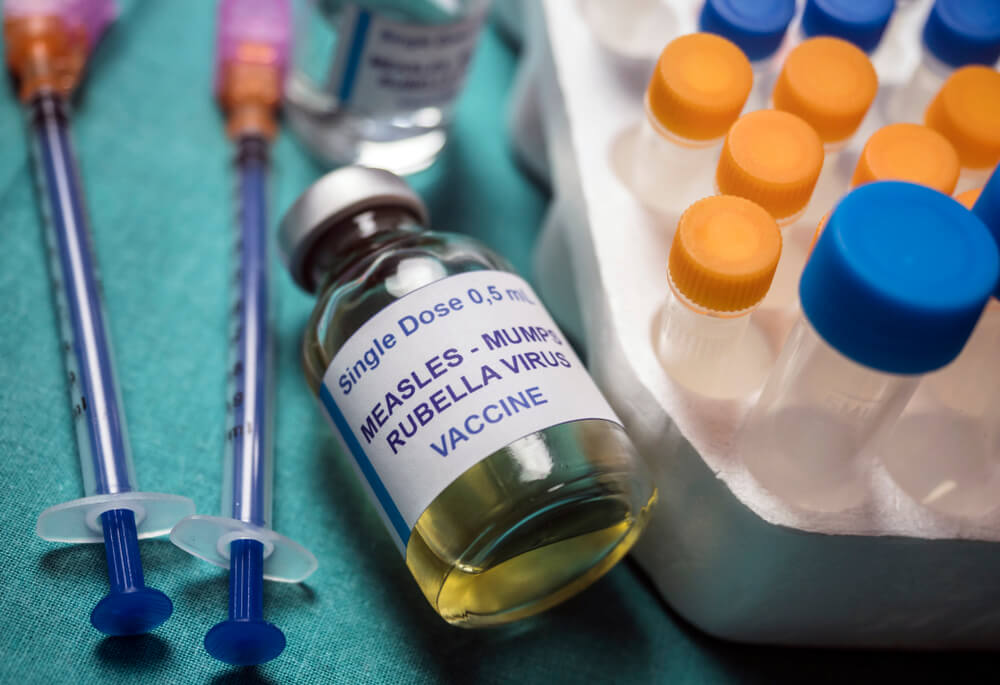
The Pan American Health Organization (PAHO) reported more than 10,139 confirmed measles cases and 18 related deaths across ten countries in the Americas by August 2025. Seventy-one percent of those infections occurred among unvaccinated individuals, while another 18% were in people with unknown vaccination status. Although regional MMR vaccination improved slightly to 89% for the first dose and 79% for the second, it still falls short of the 95% threshold needed to prevent outbreaks.
The Global Picture
Worldwide, more than 108,000 confirmed cases were recorded by mid-2025, according to WHO surveillance reports. The Eastern Mediterranean and African regions account for over half of all infections, often concentrated in areas with limited access to health systems. The agency estimates 95,000 global deaths last year, most among children under five.
Experts from Harvard T.H. Chan School of Public Health link current outbreaks to under-vaccination. Two doses of the MMR vaccine provide up to 97% protection, yet coverage slipped in many communities during and after the pandemic. Misinformation, disrupted childhood health services, and reduced access to vaccines have left millions of children susceptible to infection.
Symptoms and Health Consequences

Measles begins with fever, cough, irritated eyes, and a runny nose. A rash appears roughly 14 days after exposure and spreads from the head downward. Complications can include pneumonia, encephalitis, and death, with one to three fatalities per 1,000 infections even in well-resourced health systems.
Health agencies emphasize vaccination as the single most effective prevention measure. The US Center for Disease Control and Prevention (CDC) recommends two MMR doses for children, with early vaccination for infants traveling internationally. Adults born after 1957 who never had measles or were not fully vaccinated should also receive protection to help break transmission chains.