

Products are selected by our editors, we may earn commission from links on this page.

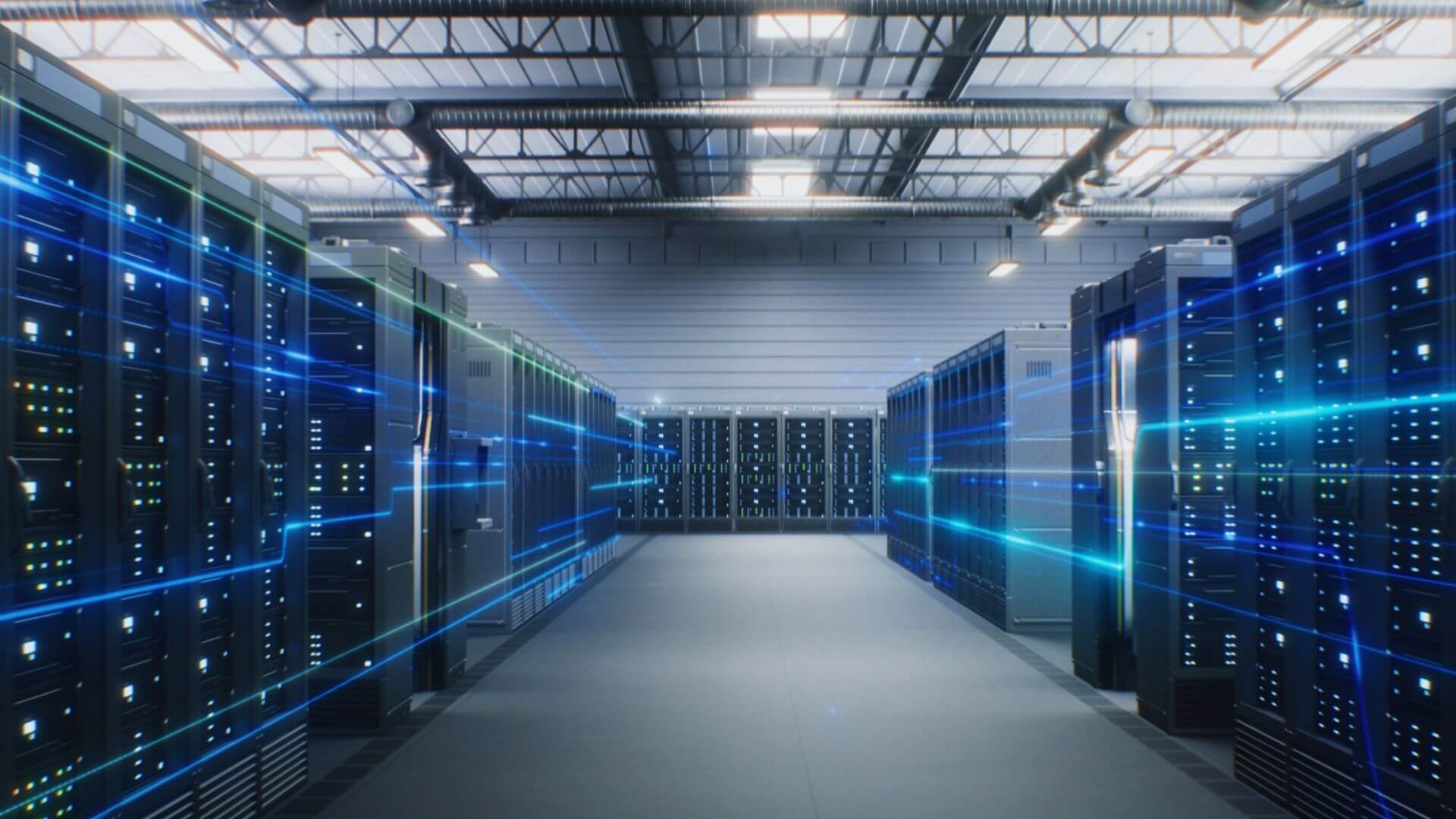
As artificial intelligence grows more advanced, the infrastructure behind it expands at an equally staggering pace. Meta’s new data center in Louisiana, spanning the size of 70 football fields, has become a focal point of concern for local residents. Beyond its impressive scale, the project symbolizes the immense resources required to sustain modern computing and the uneasy balance between innovation and community well-being.
Local Anxiety Grows
For the people living near the construction site, the sudden rise of a facility of such magnitude feels overwhelming. The transformation of local land into a vast industrial complex brings uncertainty, noise, and questions about long-term environmental safety. Many residents admit they are not opposed to technology, but fear what it might cost them in water, energy, and peace of mind.
A Surge in Energy Demand

The United States is already experiencing a rapid increase in electricity use driven by data centers. National demand is expected to reach 35 gigawatts by 2030, nearly doubling 2022 levels. Facilities like Meta’s operate nonstop, hosting servers that require vast amounts of power to process AI tasks, raising the need for new generation sources including gas and nuclear energy.
The Water Dilemma

Energy is not the only strain. A single data center can use around five million gallons of water daily for cooling. This water, often treated with chemicals to prevent corrosion and bacterial growth, becomes unsuitable for drinking or reuse. In drought-prone regions like Louisiana, where over a million residents already face water scarcity, this level of consumption is alarming.
Echoes from Other States

Residents of Newton County, Georgia, home to another Meta facility, have shared troubling experiences, brown tap water, failing household appliances, and unreliable supply. While the company denies direct responsibility, those accounts linger in the minds of Louisianans who see similar patterns emerging close to home.
Unclear Financial Responsibilities

The Louisiana project will reportedly require a $3 billion upgrade to local electrical infrastructure. Meta and Entergy, the utility provider, have agreed to build new gas-powered plants to meet the increased demand. However, nondisclosure agreements obscure how costs will be divided, leaving citizens uncertain whether they will end up paying through higher rates or taxes.
A Question of Transparency

Such secrecy fuels distrust. Communities expect accountability when large corporations tap into shared resources, especially when environmental and financial stakes are so high. Without open communication about the project’s real costs and safeguards, residents are left guessing, and worrying.
Environmental and Ethical Trade-offs

Meta’s expansion highlights the paradox of technological progress, while AI promises efficiency and advancement, its infrastructure consumes extraordinary amounts of power and water, contributing to environmental strain. For many, the ethical question is whether the benefits of innovation justify the ecological price.
Finding Balance in the Digital Age

The debate surrounding Meta’s data center underscores a global challenge, how to balance digital growth with environmental responsibility. Solutions may include renewable-powered cooling systems, transparent public agreements, and stricter environmental standards. Progress need not come at the expense of communities, but that requires foresight, honesty, and genuine collaboration between technology leaders and the people affected by their ambitions.