

Products are selected by our editors, we may earn commission from links on this page.
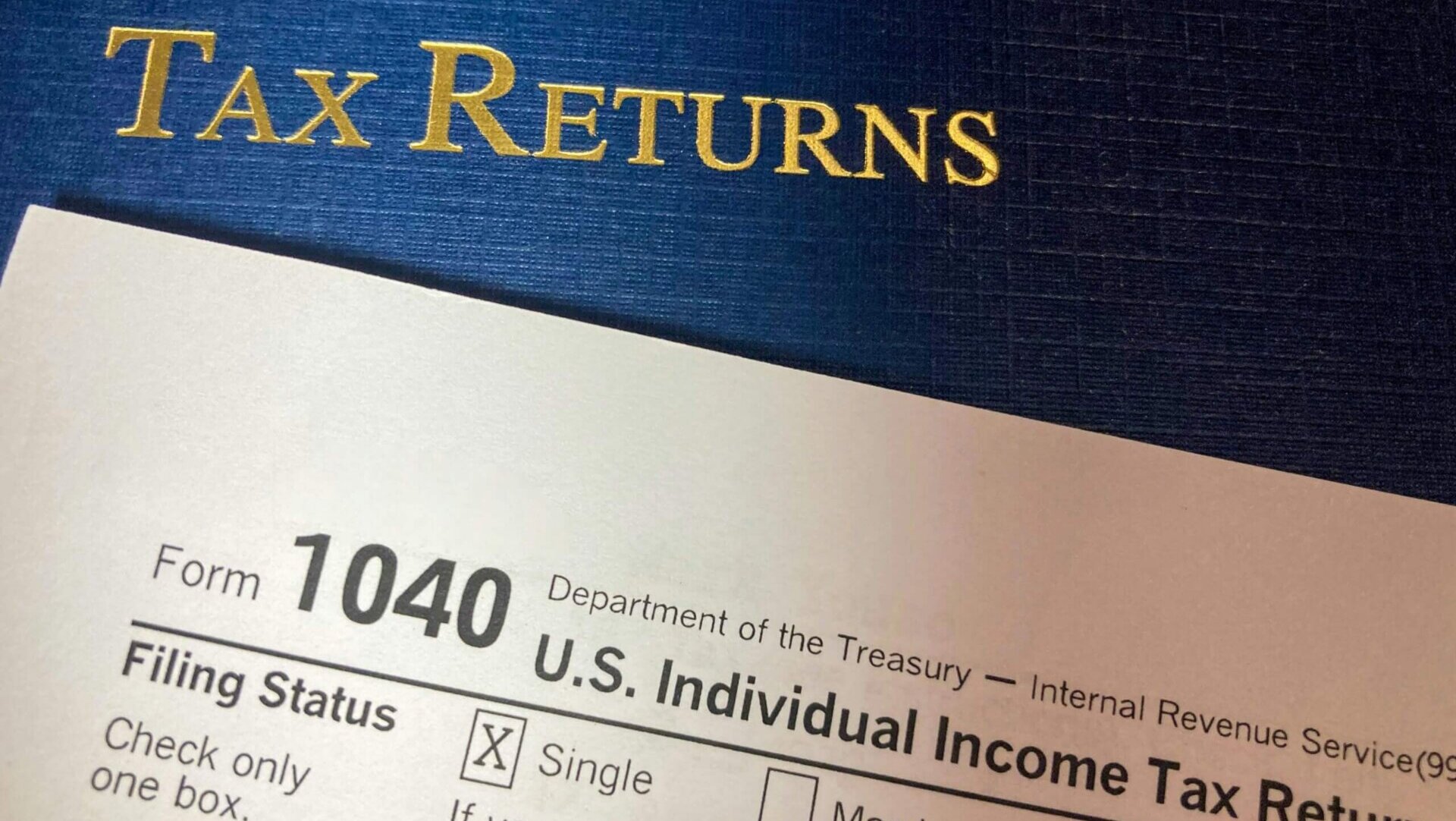
The Internal Revenue Service has officially opened the 2025 tax filing season, beginning January 26 and running through April 15, as millions of Americans prepare to submit their annual returns.
The agency estimates that approximately 164 million individual tax returns will be filed for the 2025 tax year, reflecting both population growth and increased participation in electronic filing.
For many households, this year’s filing period carries heightened importance due to newly enacted federal legislation that alters deductions, reporting requirements, and refund procedures.
New Federal Legislation Introduces Targeted Tax Relief Measures

The 2025 filing season is the first to fully reflect changes enacted under the One Big Beautiful Bill Act, signed into law in July by President Donald Trump.
Among the most significant updates is a new federal deduction for seniors. Taxpayers aged 65 and older who owe taxes on Social Security income may now deduct up to $6,000, while qualifying married couples may deduct as much as $12,000 through the 2028 tax year.
The law also allows eligible workers to deduct qualified overtime pay and tip income, with limits of up to $12,500 for single filers and $25,000 for joint filers, though these benefits gradually phase out at higher income levels.
Filing Procedures and Deduction Limits Undergo Notable Adjustments

Taxpayers claiming deductions for senior income, tips, or overtime pay must use the newly introduced Schedule 1-A when filing their 2025 returns.
The legislation also temporarily raises the cap on the state and local tax deduction, offering limited relief to taxpayers in higher-tax states who itemize their returns.
Separately, the IRS updated standard deduction amounts for 2026, setting them at $15,750 for single filers, $31,500 for married couples filing jointly, and $23,625 for heads of household.
Digital Filing and Refund Tracking Become the New Norm

Electronic filing paired with direct deposit remains the fastest method for submitting returns and receiving refunds, with most processed within 21 days.
Following an executive order issued in March, the IRS is phasing out paper refund checks, making electronic bank information essential for most filers. Refund status can be monitored through the Where’s My Refund? tool, the IRS2Go mobile app, or an online IRS account, though some returns may require additional review and take longer to process.
Tax officials advise filers to double-check personal and banking details before submitting returns to avoid delays or rejected refunds during the transition. The IRS has also emphasized that taxpayers without traditional bank accounts can explore alternative options, such as prepaid debit cards or mobile payment platforms, to ensure continued access to refunds under the updated system.