


Products are selected by our editors, we may earn commission from links on this page.

Millions of Californians are preparing for an unusual and potentially hazardous cold snap as temperatures are forecast to plunge toward and below freezing across much of the state, prompting weather warnings and alerts from the National Weather Service. The Bay Area and Central Coast, along with inland valleys and higher elevations, are expected to see overnight lows that could dip into the mid-20s and low 30s, conditions that are rare in regions more accustomed to mild winter weather rather than extended freezes. This surge of cold air comes after a period of unsettled weather, and meteorologists say the combination of clear skies and a strong high-pressure system is allowing heat to rapidly escape into the atmosphere at night, intensifying the chill.
In parts of the San Francisco Bay Area, officials issued the first-ever “extreme cold warning” for communities like the eastern Santa Clara Hills, while broader cold weather advisories cover other surrounding areas such as the North Bay, South Bay and Monterey Bay regions as residents brace for early morning frost and freezing conditions. Temperatures falling this low can put at-risk groups, such as older adults, people experiencing homelessness, young children and pets, in danger of hypothermia if they are exposed without proper protection or shelter.
The extreme cold alert, which runs through early Friday morning, highlights how even non-Arctic air masses can bring significant cold to California when skies clear and winds calm, and it has prompted public health offices and community organizations to activate warming centers, share safety tips and urge residents to protect vulnerable people, animals and sensitive crops during the coldest hours of the day.
What Residents Should Expect and How to Prepare
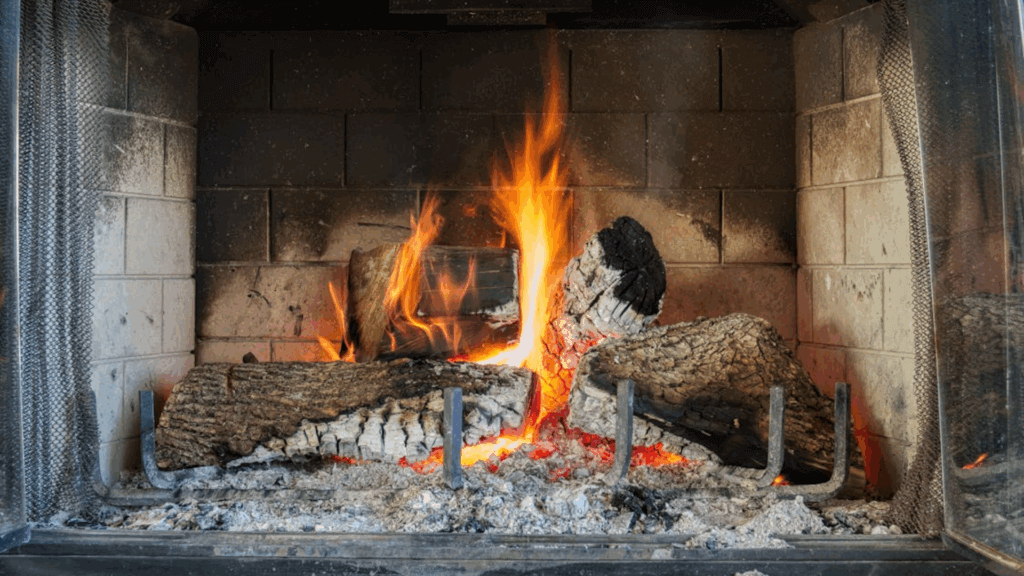
As temperatures plunge, residents can expect clear, crisp mornings with frost on lawns and windshields, and in some inland valleys and hill areas, overnight lows could fall below freezing for several consecutive hours, increasing the risk of frostbite, slippery roads and frozen pipes for unprepared households. Local governments and emergency managers are advising people to dress in layers, cover exposed pipes to prevent bursts, bring outdoor pets inside, and check on neighbors who may be especially vulnerable to the chill.
The cold snap can also heighten hazards on the roads, particularly in areas where unaccustomed drivers might encounter black ice or slippery surfaces early in the morning when frost has not yet melted, and transportation officials are urging motorists to allow extra travel time, scrape ice from windows, and use caution on bridges and overpasses that can freeze more quickly than ground surfaces.
For those without access to adequate heating or shelter, community organizations and county offices are opening warming centers where people can find temporary relief from the cold and access warm food, restrooms and a safe place to stay until temperatures rise again later in the day, reflecting a coordinated effort to protect public health amid rare winter conditions for the region.
Why This Cold Snap Is Unusual for California
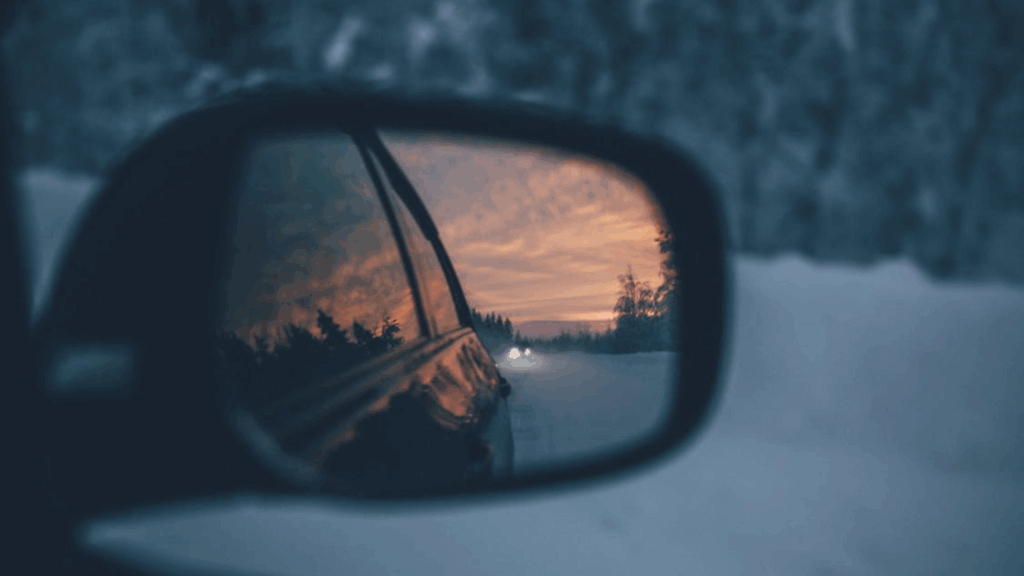
California’s climate is typically associated with mild, wet winters and warm, dry summers, so extended periods of sub-freezing air pose a distinctive challenge for infrastructure, agriculture and people who are not accustomed to temperatures that can threaten sensitive crops and exposed water systems. When temperatures dip into the 20s or low 30s, frost can damage fruit trees, vineyards and vegetable crops that thrive in gentler conditions, forcing farmers to take protective measures like overhead irrigation or coverings to shield vulnerable plants.
The National Weather Service’s adjustment in terminology to include “extreme cold warnings” and related categories reflects a broader effort to communicate risk more clearly in regions where even moderately low temperatures can have outsized effects on residents and infrastructure, underscoring how localized weather impacts differ across the country.
While this particular cold event is not driven by a large Arctic outbreak, the unusual combination of high pressure, clear skies and nighttime cooling has created conditions that may feel far colder than average and serve as a reminder of how quickly winter weather can shift in California, where residents are often more familiar with concerns like drought, wildfires and heat waves than sustained freezes.
Staying Safe During and After the Cold Blast

Experts stress that even a brief blast of extreme cold can have meaningful impacts on health and daily routines, especially for older adults, young children and anyone who lacks adequate heating, making it important for communities to stay informed about local forecasts and preparedness resources.
Public health officials recommend checking heating systems well ahead of cold weather, insulating exposed pipes to prevent freezing and having emergency supplies on hand in case of power outages or disruptions, as well as ensuring that pets and outdoor animals have access to shelter and unfrozen water.
Although the cold snap is expected to be relatively brief, the coordinated efforts by emergency services, warming centers and local governments to educate residents and provide relief demonstrate how communities can respond effectively when unseasonable weather strikes, helping reduce risks and protect the most vulnerable during rare episodes of significant cold.