

Products are selected by our editors, we may earn commission from links on this page.
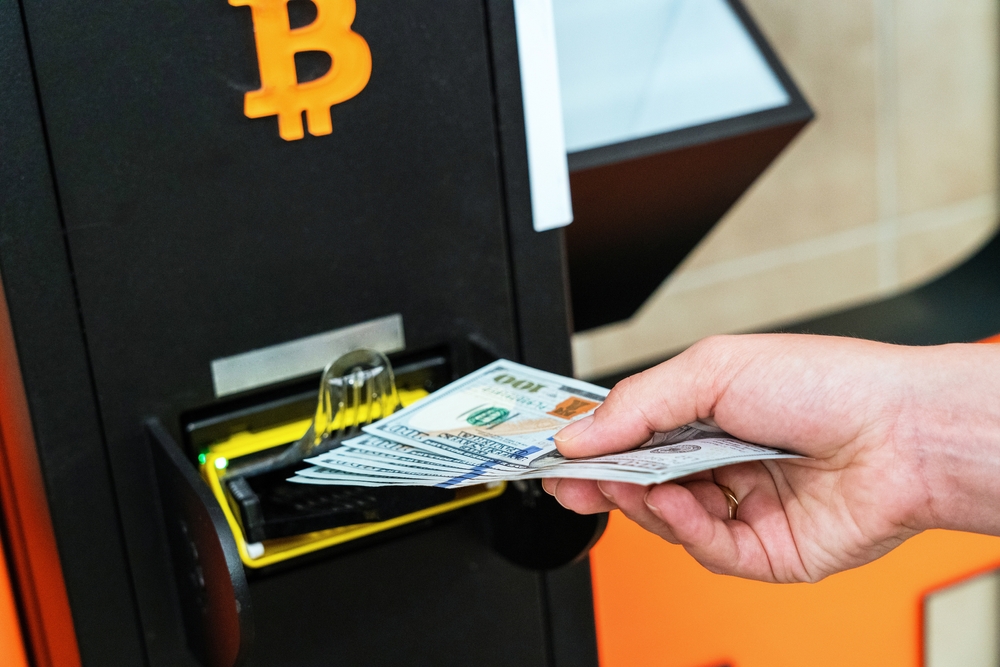
A trip to the convenience store has become the final stop in thousands of financial scams across the country. Victims receive a frantic phone call claiming their bank account has been compromised, a loved one has been arrested, or the IRS is demanding immediate payment. Within minutes, they’re standing in front of what looks like an ordinary ATM, feeding cash into a cryptocurrency kiosk—often unaware that once the money is converted into digital assets, it may be gone for good.
Minnesota lawmakers have concluded that the problem has become too widespread to solve through warnings alone. Beginning Aug. 1, cryptocurrency kiosks are no longer allowed to operate anywhere in the state, making Minnesota one of the first states to impose an outright ban rather than tighter regulations. Operators must take the machines offline immediately and remove them from stores by Dec. 31.
State officials say the decision followed a sharp increase in fraud. Between 2023 and 2025, the Minnesota Department of Commerce investigated 134 complaints tied to cryptocurrency kiosks, with reported losses approaching $1 million. In 2025 alone, officials recorded 70 cases totaling more than $540,000, suggesting the scams were accelerating despite earlier consumer protections.
Why Crypto Kiosks Became a Favorite Tool for Scammers
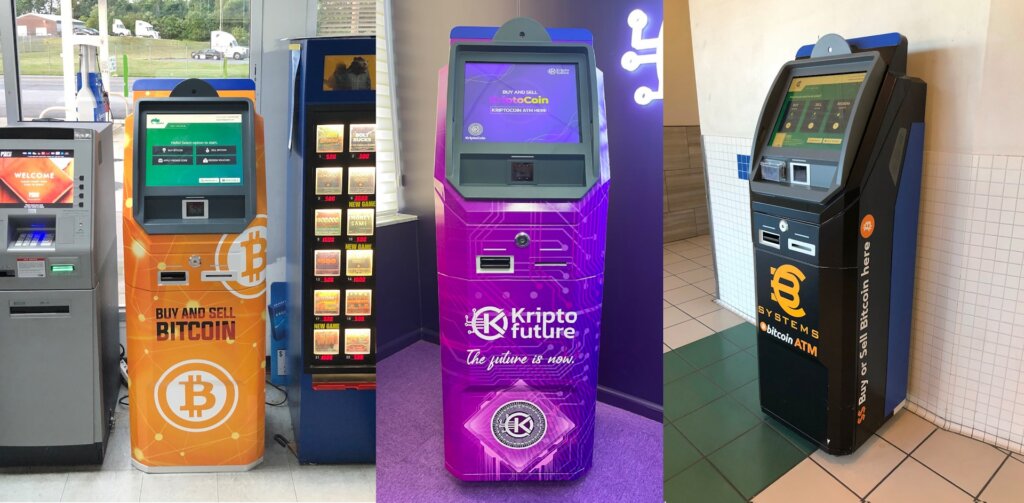
The machines themselves aren’t illegal or inherently fraudulent. Much like traditional ATMs, they allow users to exchange cash for cryptocurrency. But law enforcement says their speed has made them especially attractive to criminals.
Assistant Commissioner of Enforcement Sara Payne says scammers deliberately exploit the kiosks because transactions are fast, largely anonymous, and extremely difficult to reverse. Victims are typically instructed to withdraw cash from their bank, drive to a nearby kiosk—often located inside grocery stores, gas stations or convenience stores—and deposit the money while the scammer remains on the phone giving step-by-step instructions.
The scams follow familiar scripts. Some callers pretend to be bank employees warning that an account has been hacked. Others impersonate police officers, court officials, or government agencies, claiming there’s an arrest warrant unless payment is made immediately. Many involve grandparents being told a loved one needs emergency bail money or someone posing as an online romantic partner facing a financial crisis. Whatever the story, the objective is the same: create enough fear and urgency that the victim acts before stopping to verify the claim.
Once the cash is converted into cryptocurrency and transferred to a digital wallet, recovering it becomes exceptionally difficult. Officials say scammers frequently move the funds through multiple wallets or overseas within minutes, leaving victims with little chance of getting their money back.
Real Victims Reveal How Convincing the Scams Can Be

One case cited by Minnesota officials involved Sister Agnes Foley of St. Paul, who believed she was speaking with someone from her bank after a message appeared claiming her computer had been hacked. She withdrew money and drove to a cryptocurrency kiosk while the caller remained on the phone directing her every move.
Fortunately, the first kiosk she visited wasn’t working. As the scammer redirected her to another location, Foley became increasingly uncomfortable and stopped at her retirement community instead, where a trusted technology advisor quickly recognized the fraud before any money was transferred.
“I still don’t feel safe,” Foley later said, describing how unsettling the experience remained even after avoiding financial loss.
Authorities say many victims aren’t as fortunate. Some lose thousands of dollars in a matter of minutes, while others hesitate to report the crime because they feel embarrassed or assume nothing can be recovered. Minnesota Bureau of Criminal Apprehension Superintendent Drew Evans has urged victims to come forward anyway, noting that investigators can sometimes trace transactions or identify broader criminal networks if scams are reported quickly.
Older adults have been disproportionately affected. According to AARP Minnesota, retirees often suffer larger losses because they have more savings to lose, although officials emphasize that anyone can become a target. Nationally, the FBI reported more than 13,400 cryptocurrency kiosk complaints in 2025, with reported losses exceeding $388 million. More than half of those complaints involved people over age 50.
More Than a Ban—A Shift in How States Fight Crypto Fraud
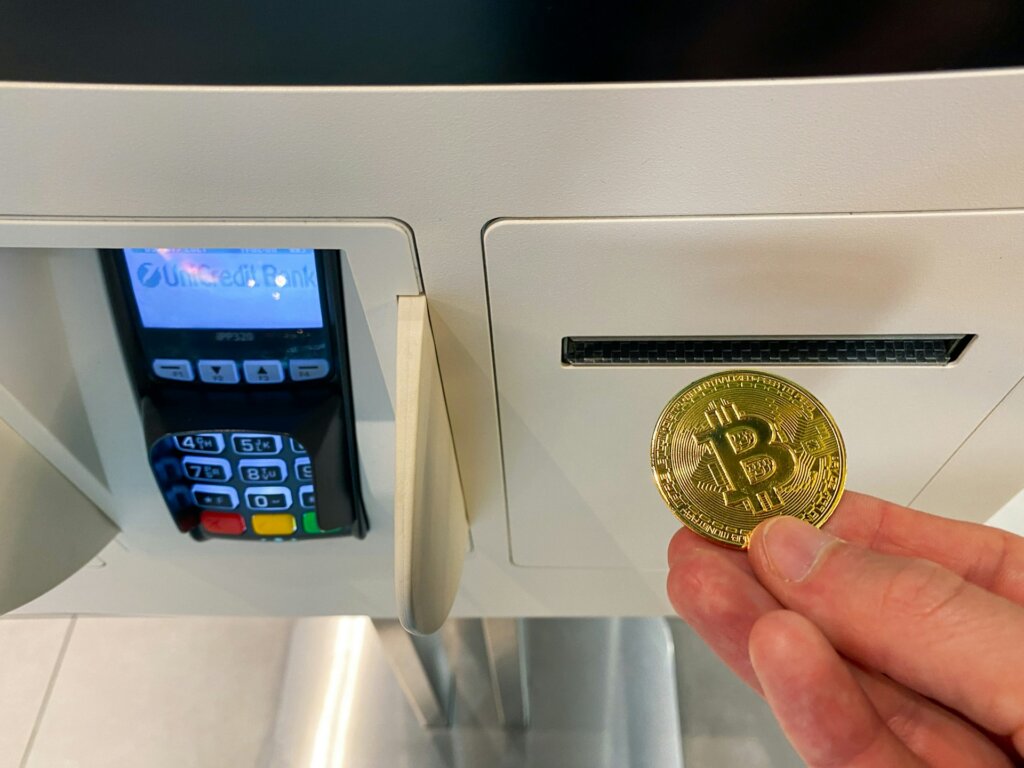
Minnesota had previously attempted a lighter-touch approach by requiring warnings, transaction limits and consumer safeguards at cryptocurrency kiosks. Law enforcement says scammers simply adapted, coaching victims through the machines and instructing them to ignore warning messages or lie to store employees if questioned.
Officials now believe removing the kiosks altogether eliminates one of the easiest ways for criminals to turn fear into irreversible payments. “There is no safe crypto kiosk,” Minnesota Commerce Commissioner Grace Arnold said when announcing the new law, arguing that every complaint represents someone’s financial security being turned upside down by a scam.
The ban does not prohibit Minnesotans from owning, buying, or selling cryptocurrency. Residents can still use licensed online exchanges, and state-chartered banks and credit unions will also be permitted to offer cryptocurrency custody services under separate legislation. Officials argue those platforms generally provide stronger consumer protections and lower fees than cash-based kiosks.
Consumer advocates say the broader lesson extends well beyond cryptocurrency. Whether the payment request involves digital assets, gift cards, wire transfers, or cash, legitimate banks, government agencies, and law enforcement do not demand immediate payment while keeping victims on the phone. Minnesota officials advise anyone facing that kind of pressure to stop, independently verify the caller’s identity using trusted contact information, and report suspected fraud to law enforcement before any money changes hands.