

Products are selected by our editors, we may earn commission from links on this page.
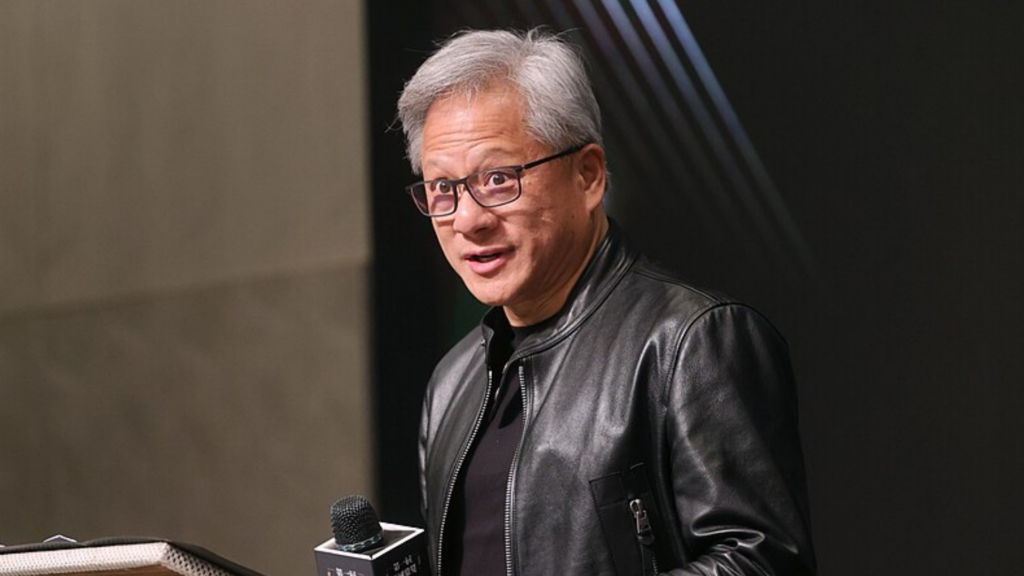
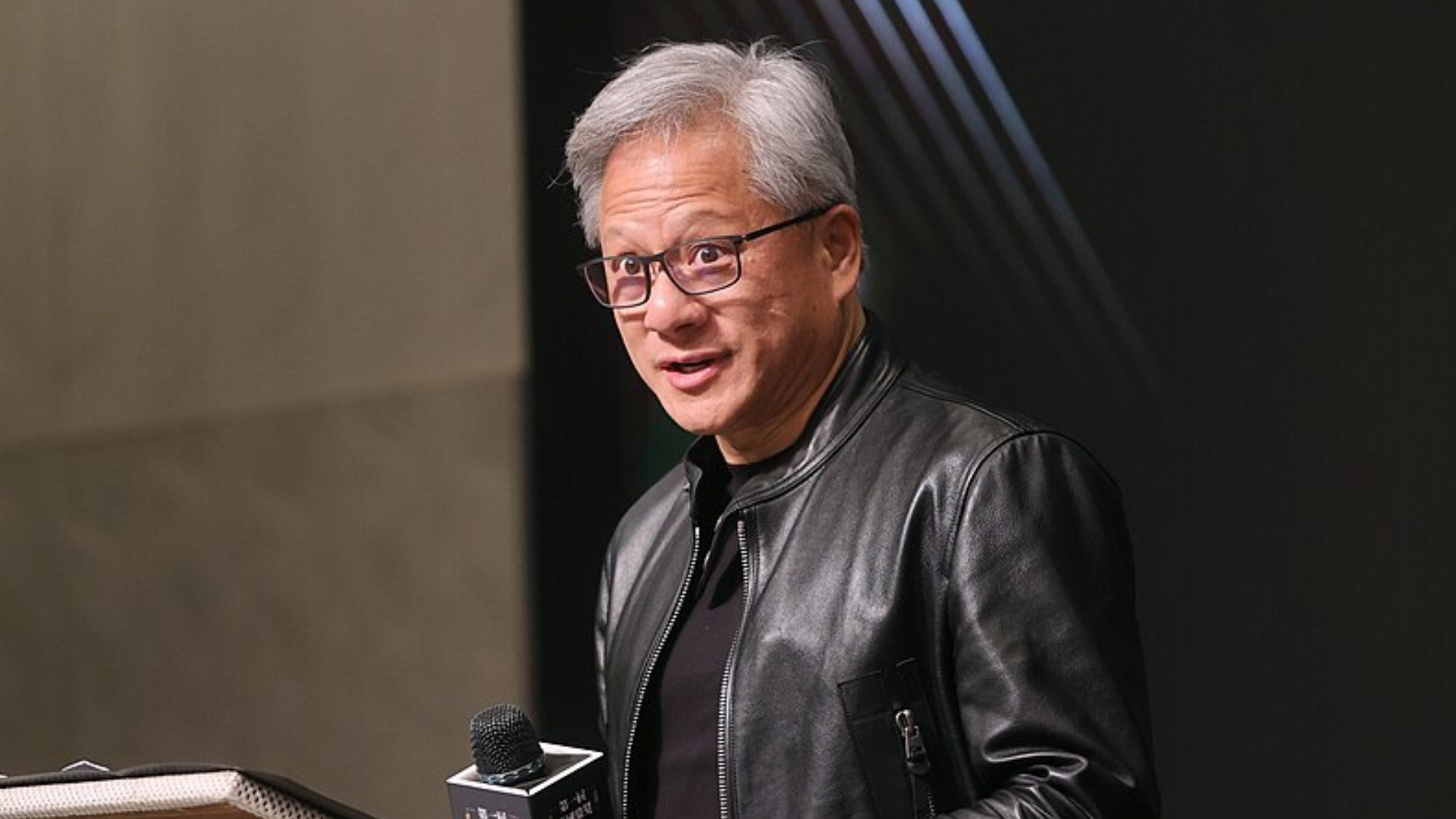
More than 100,000 people have signed an online petition calling for Jensen Huang to return as CEO of Nvidia, showing how strongly some employees, investors and technology leaders feel about his departure. The campaign, called “Stand with Jensen,” attracted prominent supporters including Elon Musk and several executives from major technology companies. Huang resigned after more than three decades leading the chipmaker, following reports about personal relationships that prompted questions and an investigation by the company’s board. The petition’s supporters are now asking Nvidia to give its co-founder a fair process and consider bringing him back while the facts are established.
The Petition Quickly Surpassed 100,000 Signatures
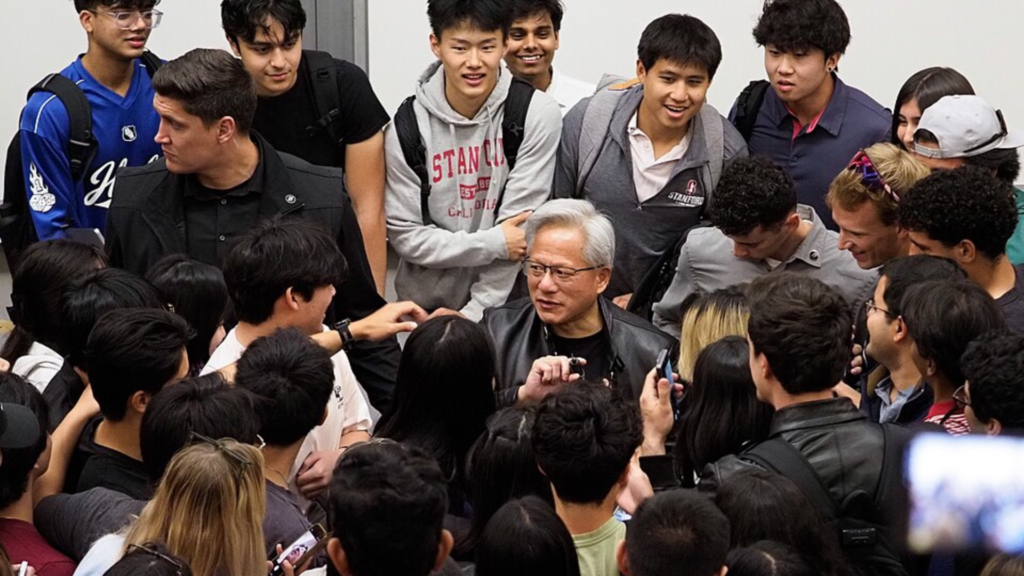
The “Stand with Jensen” petition had collected approximately 108,000 signatures by Saturday afternoon, November 14, according to the campaign website cited by Yahoo Finance. Organizers said the list included more than 58,000 people identifying themselves as Nvidia shareholders, over 5,600 current employees and more than 1,000 former employees. Those figures came from the campaign’s own website and were not independently verified, so they should not be treated as confirmed counts of Nvidia workers or investors. The organizers also acknowledged that questionable entries had appeared and said they were working to remove fake signatures.
Elon Musk and Other Technology Leaders Back the Campaign
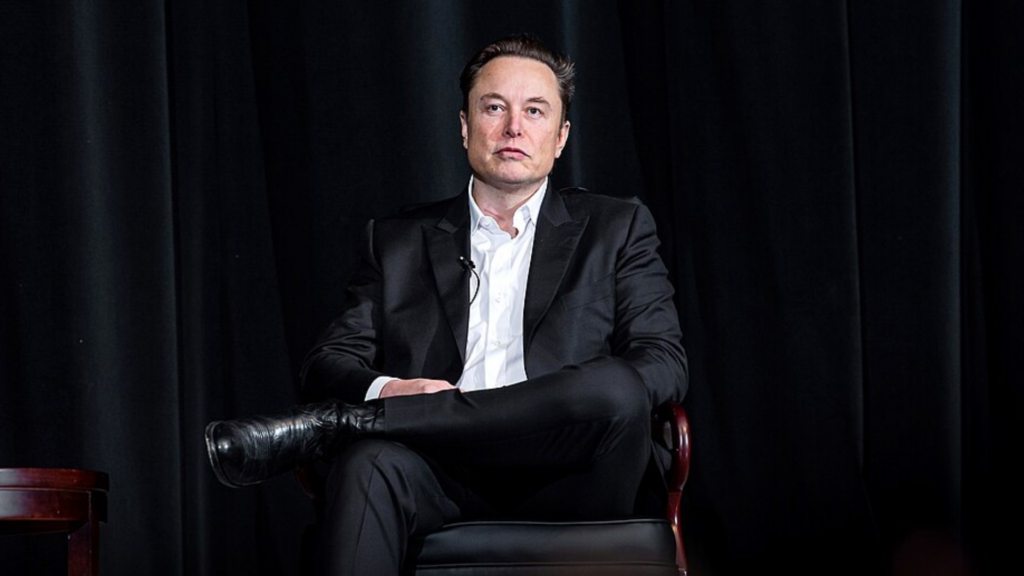
The petition has attracted support from several influential figures in the technology industry, including billionaire Elon Musk, who promoted the campaign on X. Replit CEO Amjad Masad also backed the effort, while other names associated with the petition included Boom Supersonic CEO Blake Scholl and Y Combinator CEO Garry Tan. Their involvement has helped bring attention to the dispute beyond Nvidia’s workforce and shareholders. However, public support from prominent executives does not mean that Nvidia’s board is obligated to reverse its decision.
Supporters Want Huang Reinstated While an Investigation Continues

The campaign’s central demand is for Nvidia’s board to bring Huang back as CEO while an independent investigation establishes the facts surrounding his departure. In an open letter, organizers argued that he should receive meaningful due process after spending 33 years building the company and said the board had not provided evidence substantiating the espionage-related concerns. They also asked Nvidia to disclose the investigation’s scope and timeline, give Huang an opportunity to respond and explain its decisions based on evidence. The organizers emphasized that their campaign does not assume the allegations are true or attempt to prejudge the investigation’s findings.
Huang Resigned After Reports About His Personal Relationships
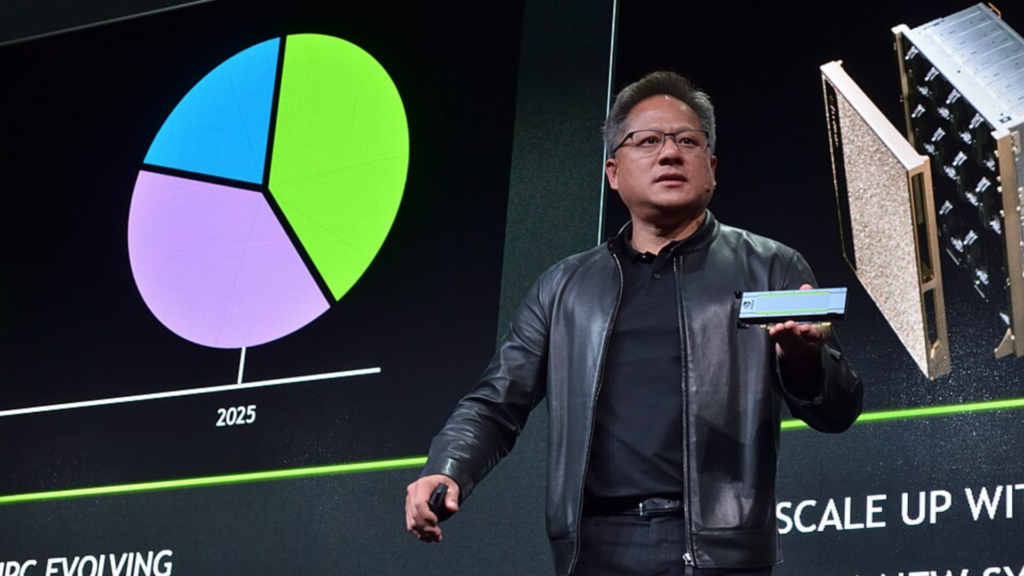
Huang’s departure followed reports about alleged affairs involving women connected to the technology industry, including an Nvidia executive. He acknowledged having an affair in a letter to employees, and the company’s board began examining whether he had been targeted in a possible foreign intelligence effort. Reports also raised questions about a relationship with Alice Huang, a Singapore-based technology executive whom U.S. intelligence officials reportedly suspected of having ties to the Chinese government. Those suspicions have not been established as proven facts, and China has denied the claim that she was a spy.
Nvidia’s Board Appointed Colette Kress as Interim CEO
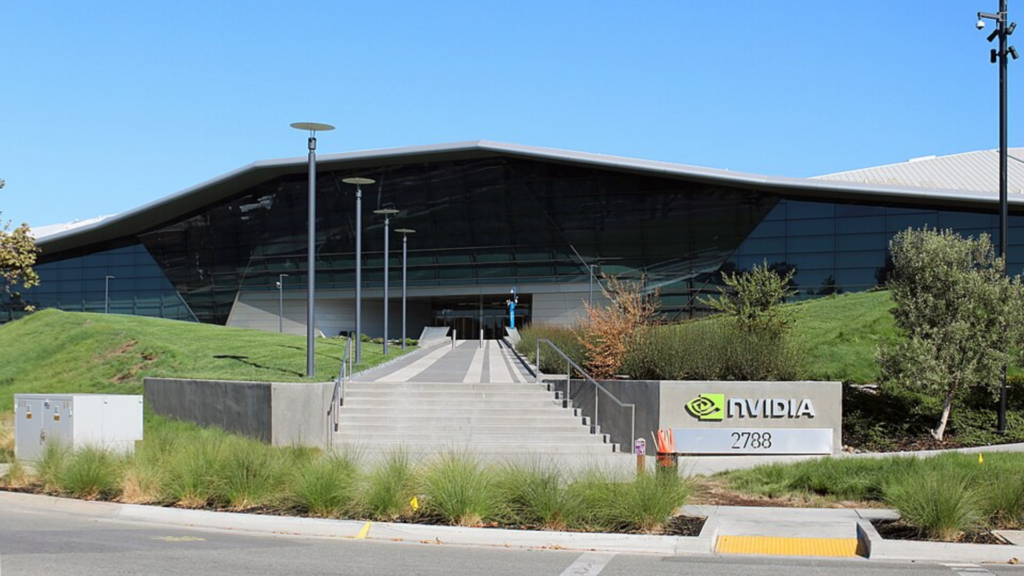
Following Huang’s resignation, Nvidia appointed Colette Kress, the company’s executive vice president and chief financial officer, as interim CEO. The board said it would consider both internal and external candidates as it searches for a permanent replacement, but it had not publicly announced a successor in the original report. Kress has emphasized the company’s intention to continue building on the foundation established during Huang’s leadership and serving its customers, partners, developers and shareholders. Her appointment provides temporary leadership while Nvidia works through an unusually high-profile executive transition.
Employees Say Huang Played a Major Role in Nvidia’s Culture
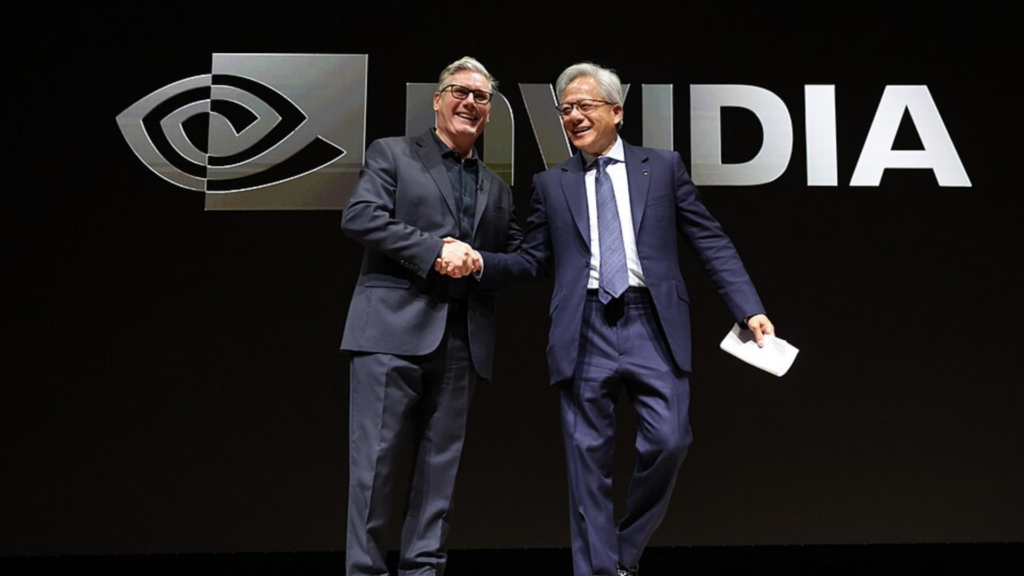
Some employees who support Huang’s return argue that his importance to Nvidia goes beyond his position as chief executive. One employee who spoke to Business Insider described him as a singular leader whose ideas and enthusiasm gave workers motivation and helped shape the company’s direction. The employee also acknowledged that Huang should face an investigation and appropriate consequences if his conduct violated company rules, while arguing that a path for his return should remain possible. A post expressing similar support reportedly appeared on Nvidia’s internal employee suggestion platform and attracted significant discussion.
Investors Are Divided Over Whether Nvidia Should Bring Him Back
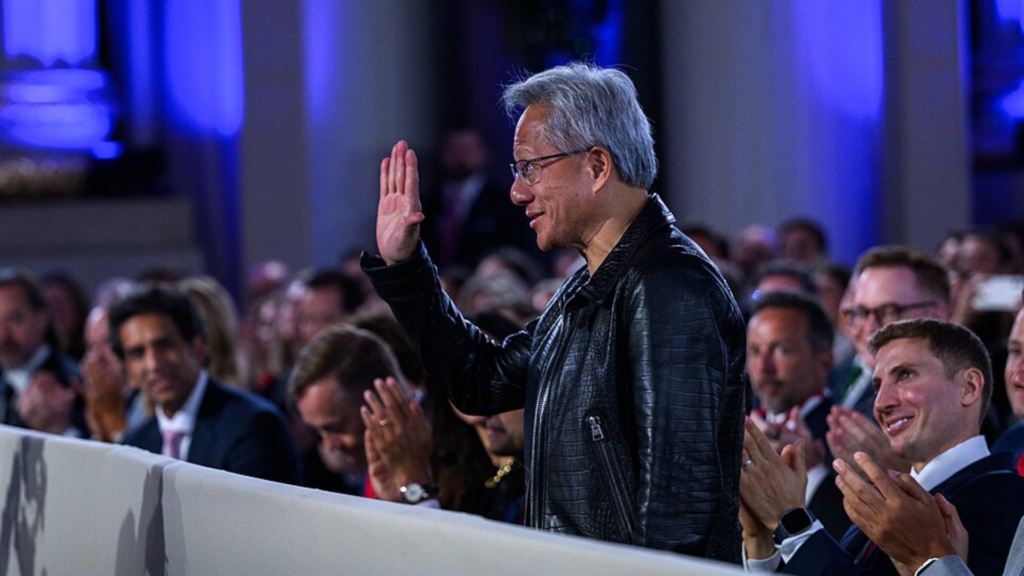
The campaign has also exposed disagreement among investors about how Nvidia should handle its leadership transition. Altimeter Capital Management CEO Brad Gerstner and Atreides Management Managing Partner Gavin Barker wrote to the board urging it to take a measured approach and avoid rushing into a permanent replacement if doing so could harm shareholders’ interests. Their position leaves room for Huang’s possible return, depending on the findings and the company’s needs. Other investors and corporate governance experts have warned that reinstating him before the investigation is complete could create additional legal, management and reputational risks.
Nvidia Must Weigh Its Founder’s Legacy Against Corporate Responsibility
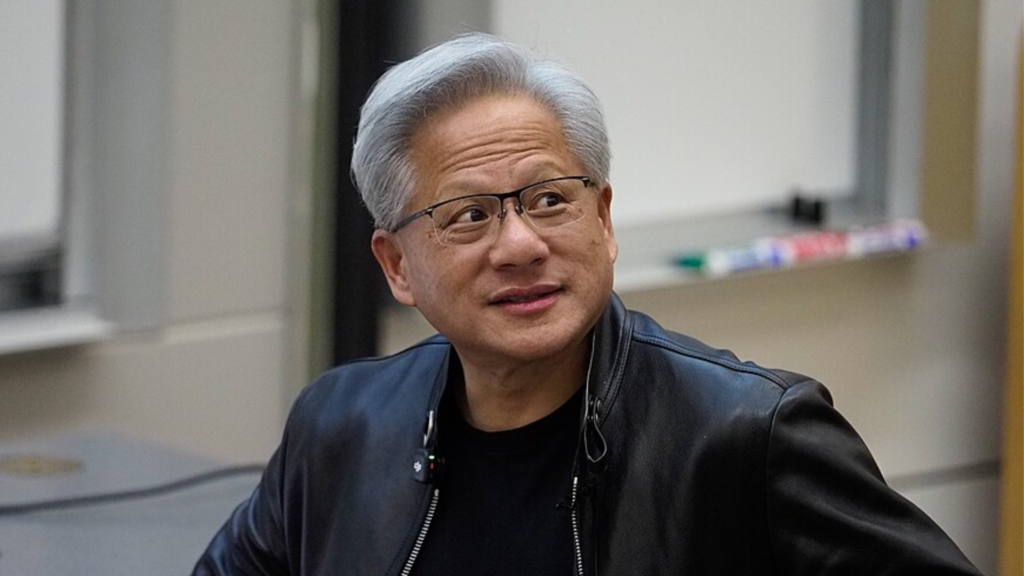
Huang co-founded Nvidia and led the company for more than 33 years, helping turn it into one of the most influential businesses in the artificial intelligence industry. That history helps explain why employees, shareholders and technology executives are concerned about losing his leadership, but a founder’s achievements do not eliminate a company’s responsibility to investigate potential misconduct. Nvidia’s board must consider the available evidence, its obligations to shareholders and employees, and the risks associated with either retaining or replacing its former CEO. The petition demonstrates the strength of public support for Huang, but it does not settle the questions surrounding his departure.
The Petition May Not Be Enough to Change Nvidia’s Decision
The campaign has given Huang’s supporters a way to pressure Nvidia’s board, but collecting signatures does not guarantee that he will return to the CEO position. The board has said it is considering candidates from inside and outside the company, while the investigation into the circumstances surrounding his resignation remains a central issue. For Nvidia, the challenge is balancing the value of a founder who helped build its global influence with the need for a credible and responsible leadership process. Whether Huang returns or a new executive takes over, the decision could shape the company’s direction at a critical moment for the AI industry.