

Products are selected by our editors, we may earn commission from links on this page.
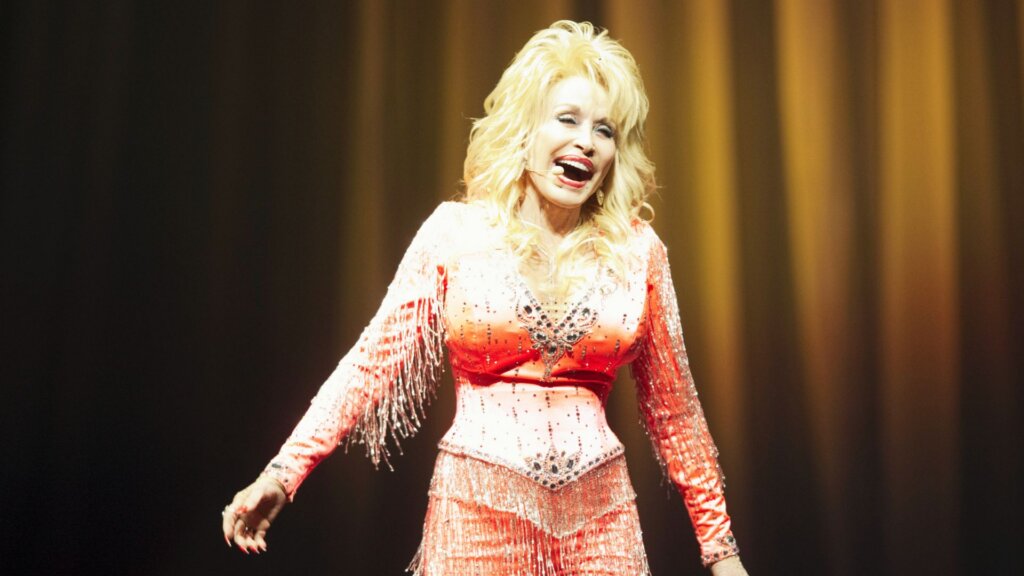
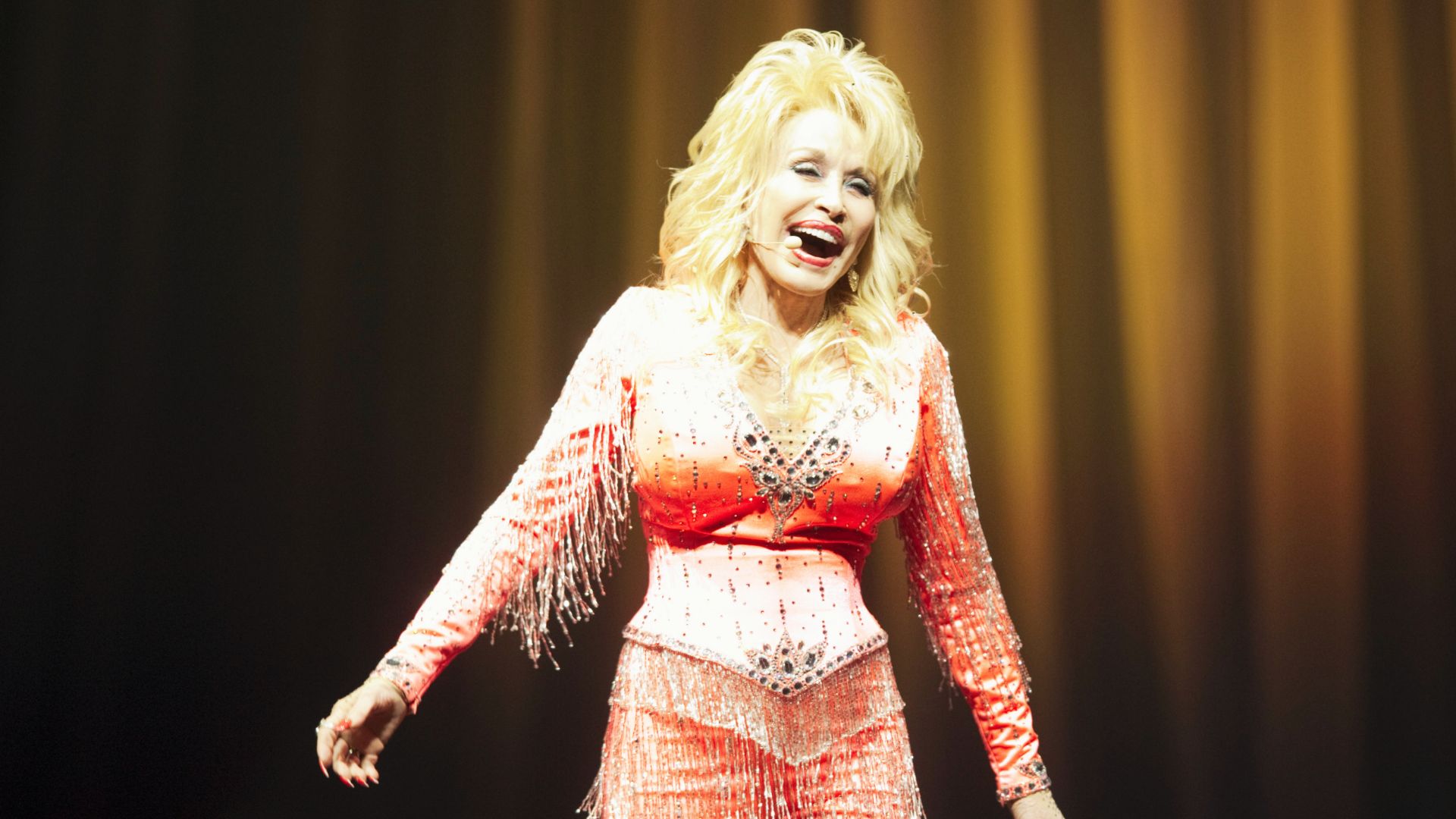
There was only one Dolly Parton, and goodness, did she make the most of it. She gave us rhinestones and sky-high blonde hair, heartbreak songs and belly laughs, butterflies and impossibly big dreams. But beneath all that glorious sparkle was a woman who spent decades putting books into children’s hands and helping families back home in Tennessee. Her death at 80 leaves a loss that stretches far beyond country music. As one Reddit commenter put it, “Our world shines a little less bright today.” And yet, Dolly left behind an extraordinary amount of light.
Before the Rhinestones, There Was a One-Room Cabin
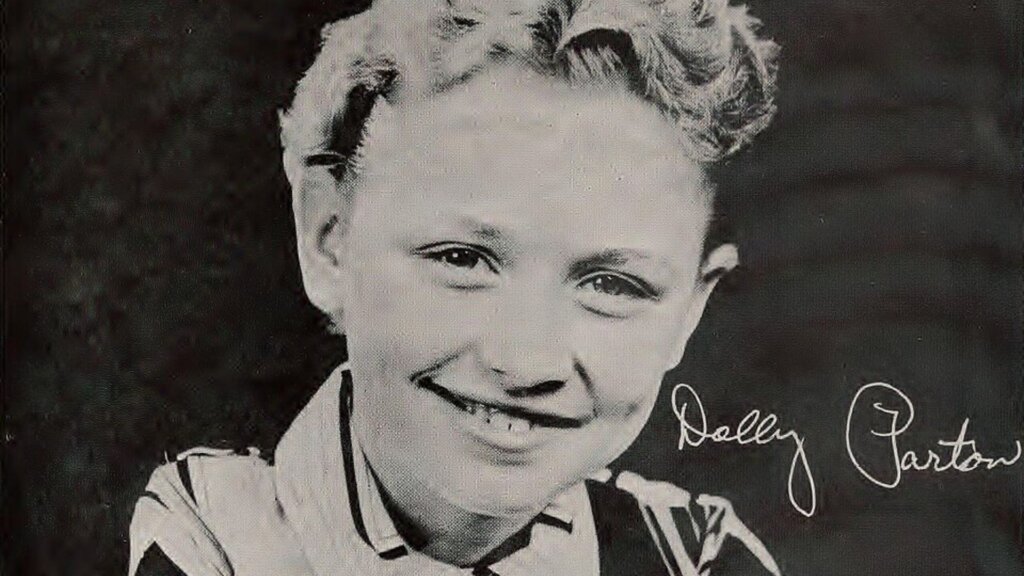
The glamour makes more sense when you know where Dolly started. Born January 19, 1946, she was the fourth of 12 children raised in rural Tennessee, in a family she openly described as “dirt poor.” Her father could not read, while music surrounded her through her mother’s family. An uncle gave Dolly her first guitar, and she was writing songs by age seven. After high school, she headed for Nashville, signed with Monument Records in 1965, and began building the life she had imagined. Years later, she could still hold both truths at once: pride in being a farmer’s daughter and an unapologetic desire for something bigger, prettier and brighter.
She Was a Songwriter Before She Was a Superstar
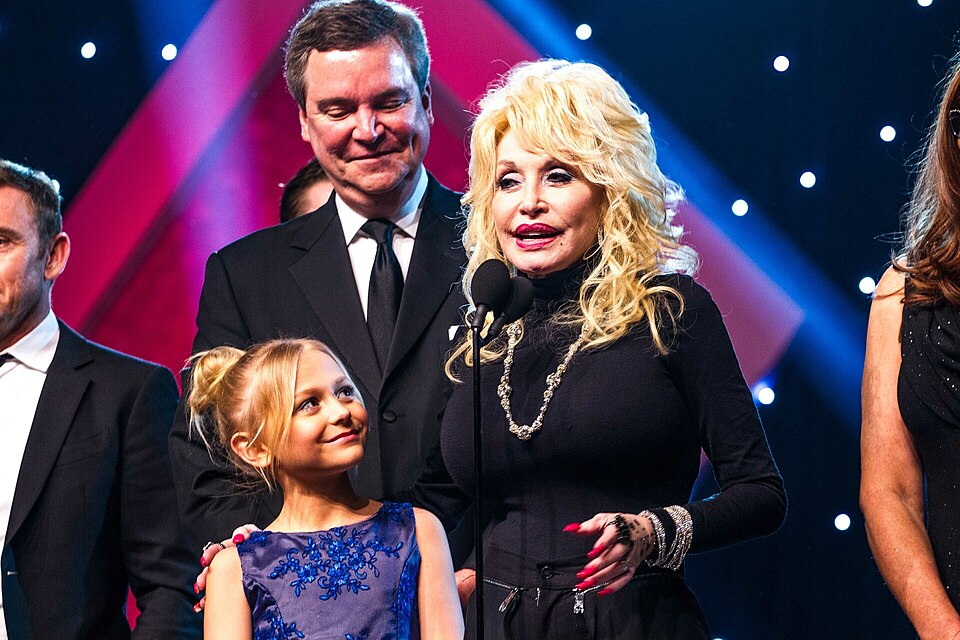
The wigs could fill a doorway, but the songwriting was the foundation. Parton wrote more than 3,000 songs, including “Jolene,” “Coat of Many Colors,” “9 to 5” and “I Will Always Love You.” She once put her priorities plainly: “I actually take my songwriting more serious than anything else I do.” Her songs could turn jealousy, poverty, heartbreak, and working-class frustration into stories people recognized as their own. Even “I Will Always Love You” began not as a conventional romance but as her musical farewell to Porter Wagoner when she decided to leave his television show and pursue her solo career.
Nobody Was Going to Own Dolly’s Future
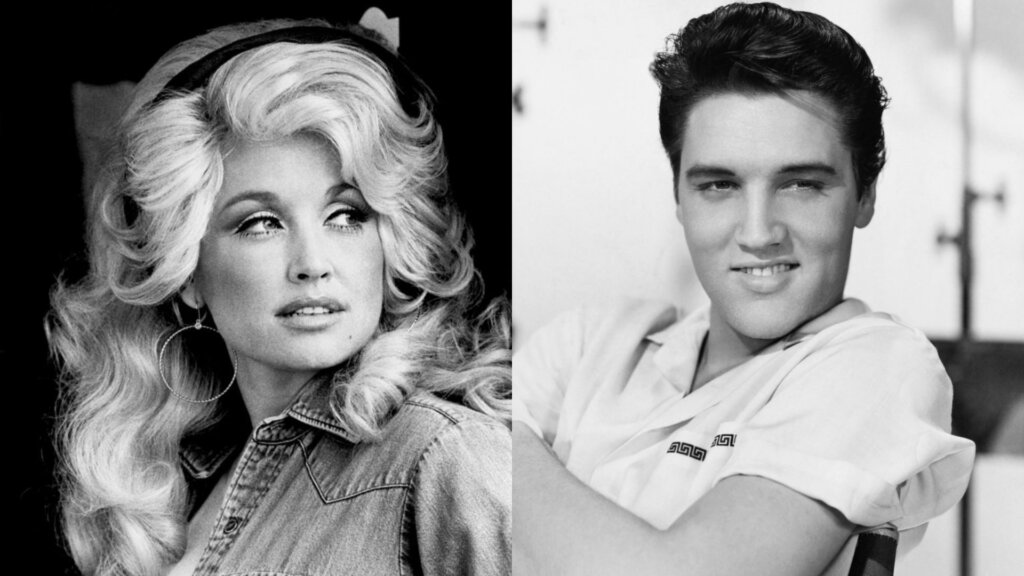
Behind the “dumb blonde” jokes was a woman making unusually sharp business decisions. At 20, Parton started a publishing company with her uncle Bill Owens, helping her maintain control over her songs. When Elvis Presley wanted to record “I Will Always Love You,” she refused because his manager, Colonel Tom Parker, wanted part of the publishing rights. That decision became enormously valuable when Whitney Houston later turned the song into a global phenomenon, with CNN reporting that Parton earned roughly $10 million in royalties. The glitter was never camouflage for a lack of business sense. As Dolly joked about herself, “I’m not dumb, and I’m not blonde either.”
Then Dolly Walked Straight Into Hollywood
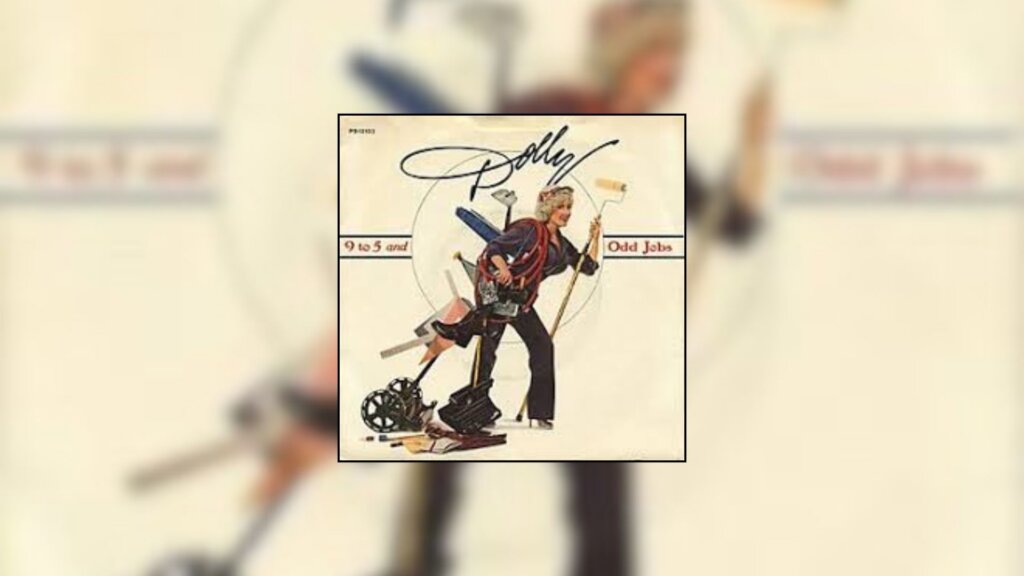
Parton made her feature-film debut alongside Jane Fonda and Lily Tomlin in 1980’s 9 to 5, playing secretary Doralee Rhodes and writing and performing the title song. The film confronted workplace sexism, while the song became closely associated with working women and demands for greater equality on the job. She followed it with movies including The Best Little Whorehouse in Texas and Steel Magnolias, expanding an audience that already knew her voice into one that knew her comic timing and screen presence too. The woman who told Barbara Walters in 1977 that she wanted to become a “superstar” had understood early that she did not intend to remain in one lane.
She Made Being Unmistakably Herself Look Easy
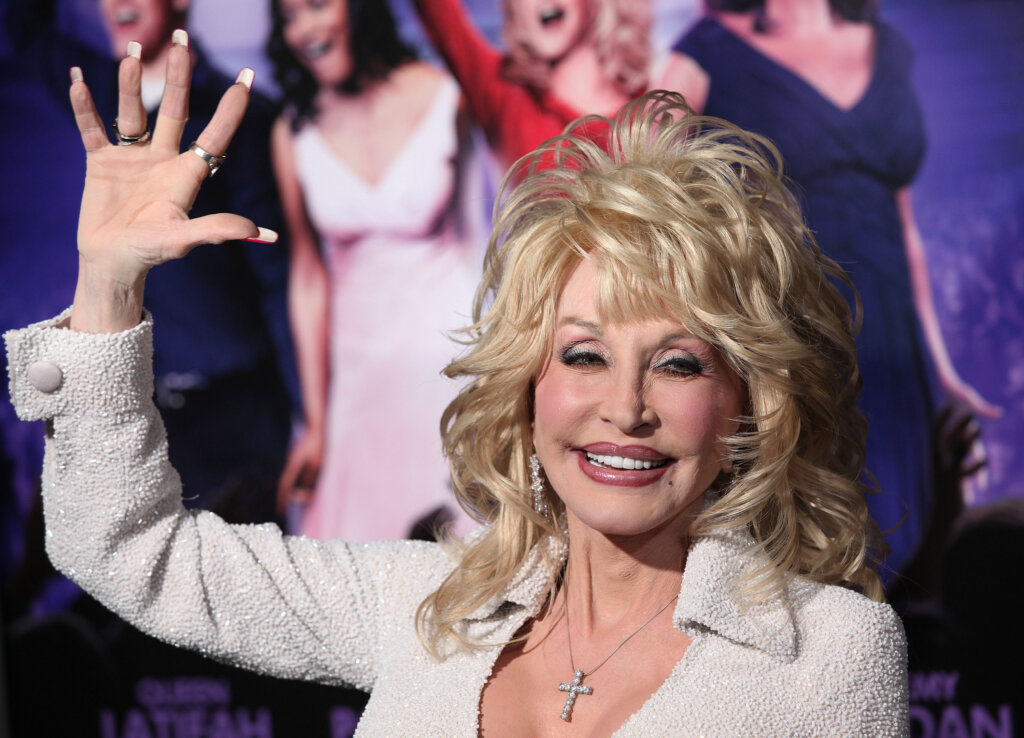
Dolly never treated femininity as something requiring an apology. The towering wigs, heels, sequins and figure-hugging clothes were deliberate, playful and entirely hers. She famously joked, “It costs a lot of money to look this cheap,” while insisting there was nothing fake about what mattered: “I’m very real where it counts, and that’s inside.” That combination mattered. She could laugh at her own image before anyone else got the chance, then turn around and refuse to be underestimated. In a culture constantly telling women how much is too much, Dolly cheerfully chose more.
Her Biggest Legacy May Be Sitting on a Child’s Bookshelf
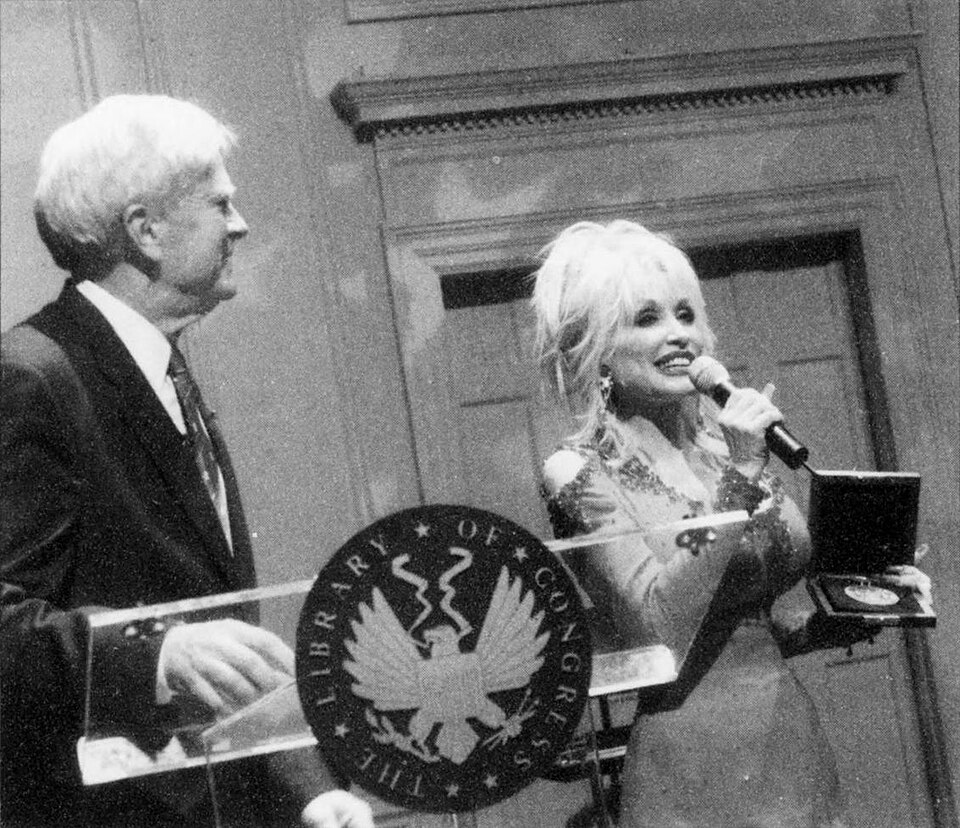
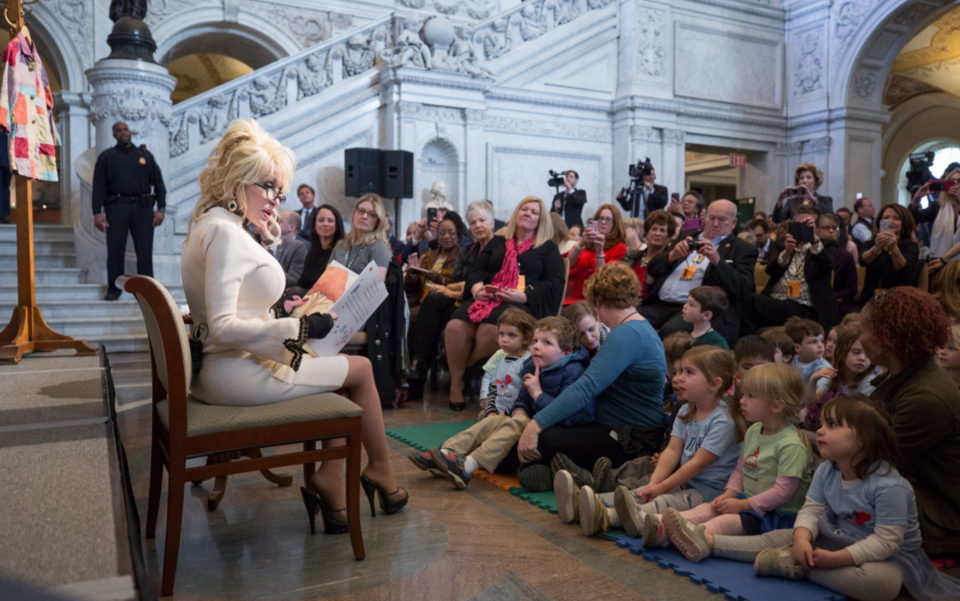
For all the Grammys and hit records, one title mattered enormously to Dolly: “the book lady.” Her Imagination Library, launched in 1995 in honor of her father, grew into a global early-literacy program that has given children hundreds of millions of books. Her father’s inability to read had stayed with her. “Daddy got to live long enough to hear the kids call me ‘the book lady,’” she once said. CNN reported that the program has distributed more than 300 million books worldwide. On Reddit, parents and teachers immediately connected her death to that legacy. One parent wrote that the program had given their children “dozens of great books over the years.”
When Her Community Hurt, Dolly Showed Up
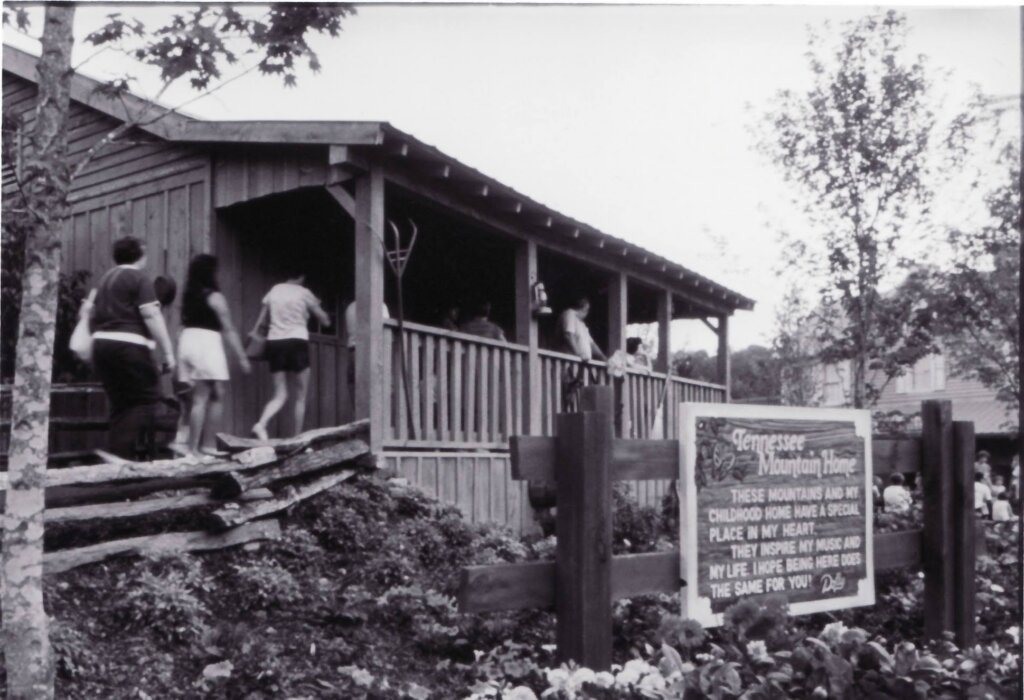
Her generosity was not limited to books. Parton established the Dollywood Foundation, supported scholarships, and responded when natural disasters struck her home region. During the Covid-19 pandemic, she donated $1 million to coronavirus research at Vanderbilt University, funding that contributed to work behind Moderna’s vaccine. Dollywood itself also became more than a celebrity-branded attraction. A 2021 economic impact study cited by CNN described it as Sevier County’s largest employer and credited it with supporting more than 23,000 jobs and generating about $1.8 billion annually. Dolly turned hometown loyalty into something people could actually feel in paychecks, books, and help when disaster came.
Somehow, She Made Room for Almost Everybody
Parton rarely allowed herself to become neatly owned by a political camp, but she was far less ambiguous about treating people with dignity. She spoke publicly in support of gay marriage, Black lives, and LGBTQ+, while grounding much of that acceptance in her Christian faith. “We are who we are, and we should be allowed to be who we are,” she told Larry King in 2016. That broad warmth helps explain why the mourning has stretched beyond country listeners. One Reddit commenter who said they were not a regular listener wrote that her “generosity, her warmth, and her undeniably good heart” had moved them anyway. Dolly somehow became bigger than the audience that bought her records.
Maybe “The Book Lady” Really Did Say It Best
Years before anyone had to write her obituary, Dolly had already considered what she wanted left behind. She told ABC News in 2023 that she simply wanted to be “remembered well.” That wish feels almost modest beside what remains: songs people will keep singing, Dollywood jobs supporting Tennessee families, children opening books because a girl whose father could not read decided other children should have them, and generations who learned that kindness and ambition need not cancel each other out. Dolly once said she hoped to “leave something behind that others can use to lift themselves up.” Now comes the part she cannot control: what people choose to do with everything she left them.