

Products are selected by our editors, we may earn commission from links on this page.

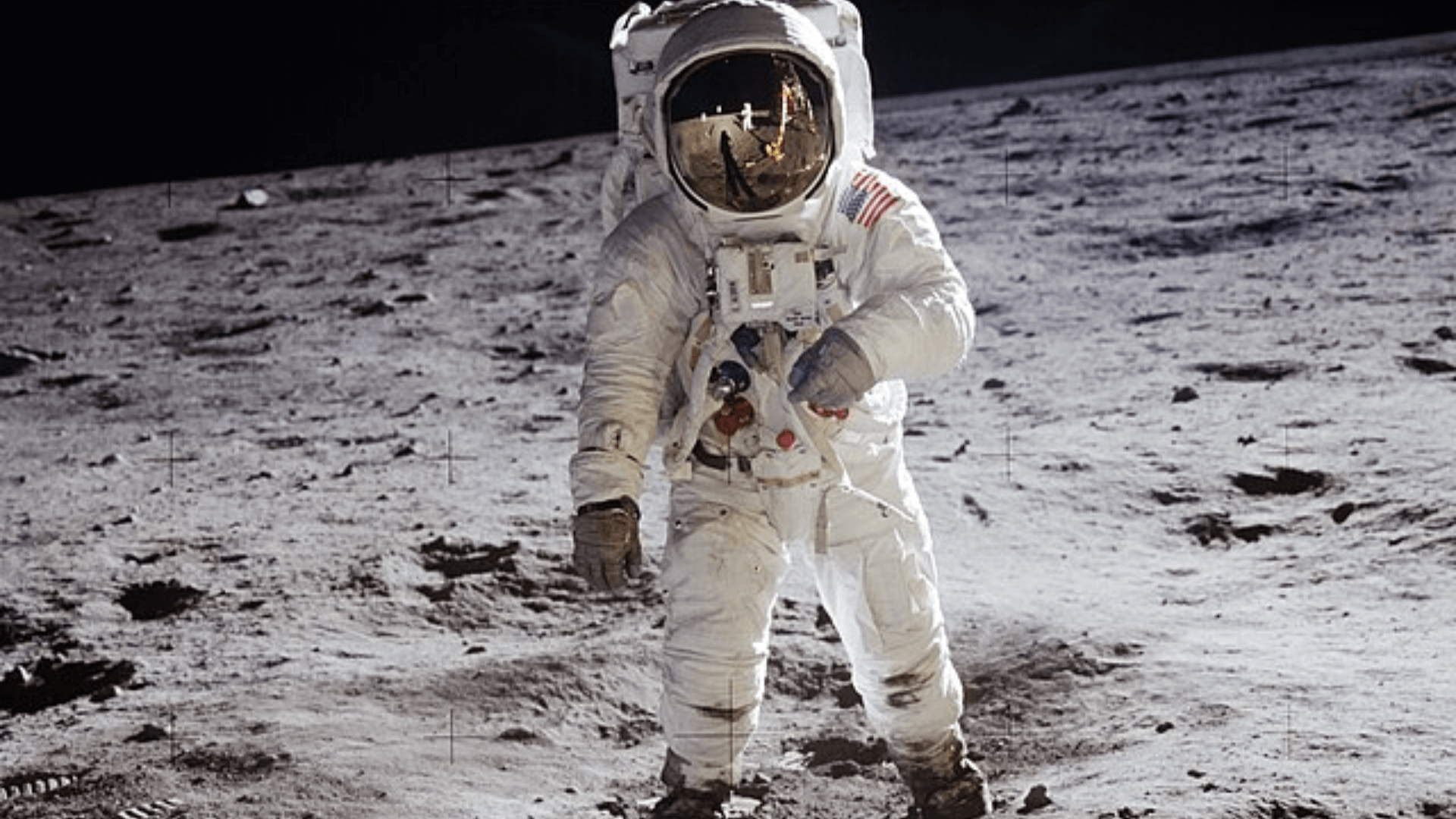
NASA has officially confirmed that humanity is on track to return humans to the Moon in 2026 with the upcoming Artemis II mission, marking the first crewed lunar mission since Apollo 17 in 1972. This historic milestone will send four astronauts on a 10‑day journey aboard the Orion spacecraft, flying around the Moon and back to Earth in a critical step toward establishing a sustained human presence on and around our celestial neighbor. Artemis II follows the successful uncrewed Artemis I test flight and lays the groundwork for future lunar surface missions as part of NASA’s broader Artemis program and international space exploration goals.
First Human Flight Near the Moon Since 1972

The Artemis II mission will carry NASA astronauts Reid Wiseman, Victor Glover, Christina Koch, and Canadian Space Agency astronaut Jeremy Hansen on a free return trajectory around the Moon, allowing the spacecraft to slingshot around the far side and bring the crew safely back to Earth. This flight will be a vital test of deep space systems and operations, providing NASA and its partners with essential data on human performance and spacecraft reliability as the agency prepares for more ambitious lunar missions.
Testing Critical Deep Space Technologies
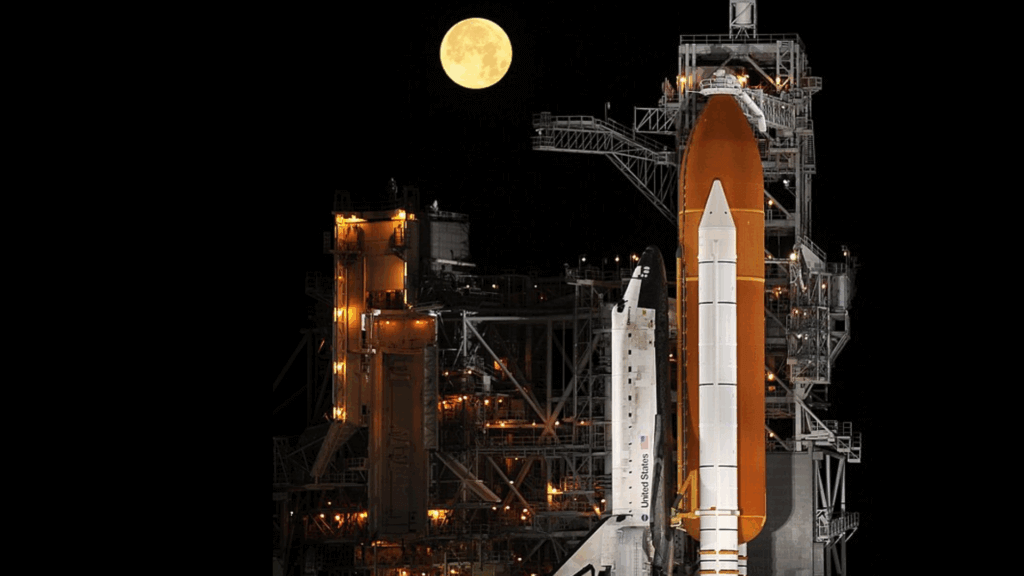
Artemis II represents the first time NASA will test the Space Launch System rocket and the Orion spacecraft together with a crew aboard, putting life support, communications, and navigation systems through rigorous real world conditions. Successfully demonstrating these capabilities is crucial for future missions that aim to land astronauts on the Moon’s surface and sustain human activity in lunar orbit and beyond.
A New Generation of Moon Explorers
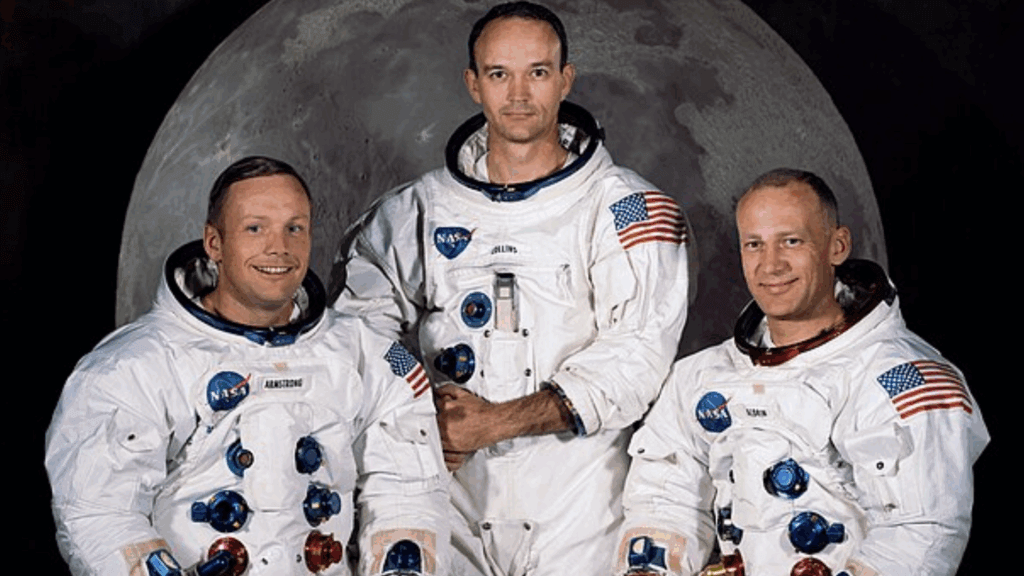
The composition of the Artemis II crew reflects NASA’s continued commitment to diversity and inclusion in space exploration, with Christina Koch and Victor Glover set to make history as the first woman and first person of color, respectively, to travel near the Moon. Their participation underscores the evolving nature of human spaceflight and the broader international effort to broaden access to deep space missions.
Stepping Stone Toward the Lunar Surface
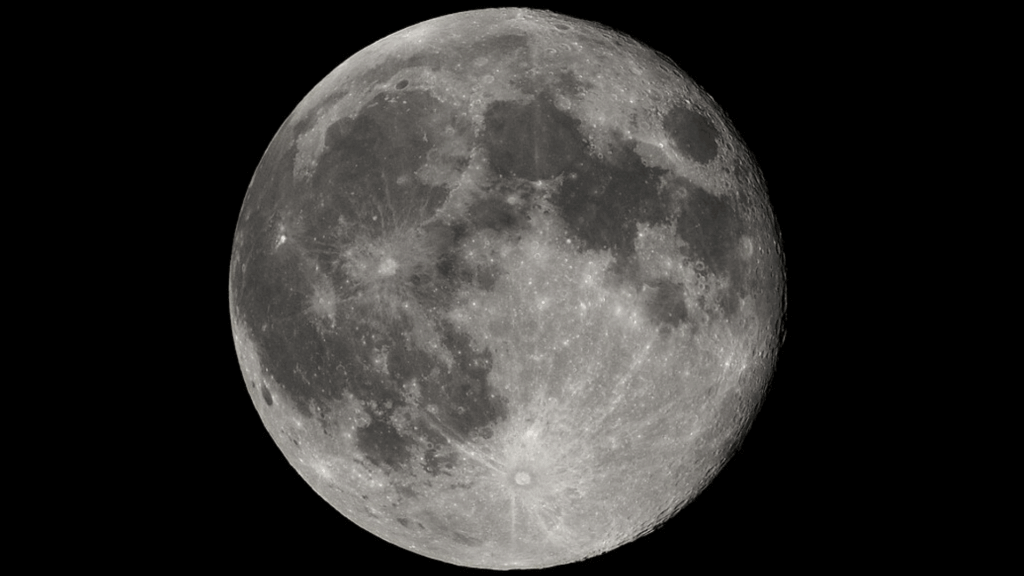
While Artemis II will not involve a lunar landing, it is a crucial preparatory mission for Artemis III, which aims to put humans back on the Moon’s south pole for the first time since the Apollo era. The lunar south pole offers scientifically interesting terrain and resources such as water ice that could support long‑term exploration, making it a key focus for future missions and lunar infrastructure development.
International and Commercial Partnerships
NASA’s Artemis program benefits from collaboration with international space agencies and commercial partners, reflecting a more interconnected era of space exploration. These partnerships extend beyond crew selection and include contributions to scientific research, technology development, and lunar surface support systems that advance collective goals for sustainable lunar exploration and eventual missions to Mars and beyond.
Public Engagement With the Mission

To engage the public in this historic journey, NASA invited people around the world to send their names aboard Artemis II, where they will be inscribed on a digital card carried on the mission. This outreach initiative underscores the global significance of returning humans to lunar space and inspires future generations to take part in space exploration and scientific discovery.
Scientific Gains From Human Lunar Missions

Human missions to the Moon offer unique opportunities for scientific investigation, including studying lunar geology, radiation effects on the human body, and the Moon’s formation history. Astronauts orbiting the Moon on Artemis II will support experiments that help scientists better understand space biology and prepare for extended stays on celestial bodies, contributing to knowledge essential for future deep space exploration.
Building Toward Sustainable Lunar Presence
The Artemis program’s long term vision includes a sustainable human presence on the Moon that could serve as a launching point for missions to Mars, space science hubs, and economic activity in space. Establishing habitats, power systems, and research facilities on and around the Moon will help build the infrastructure needed for humans to live and work off Earth for extended periods.
A Historic Year for Human Spaceflight
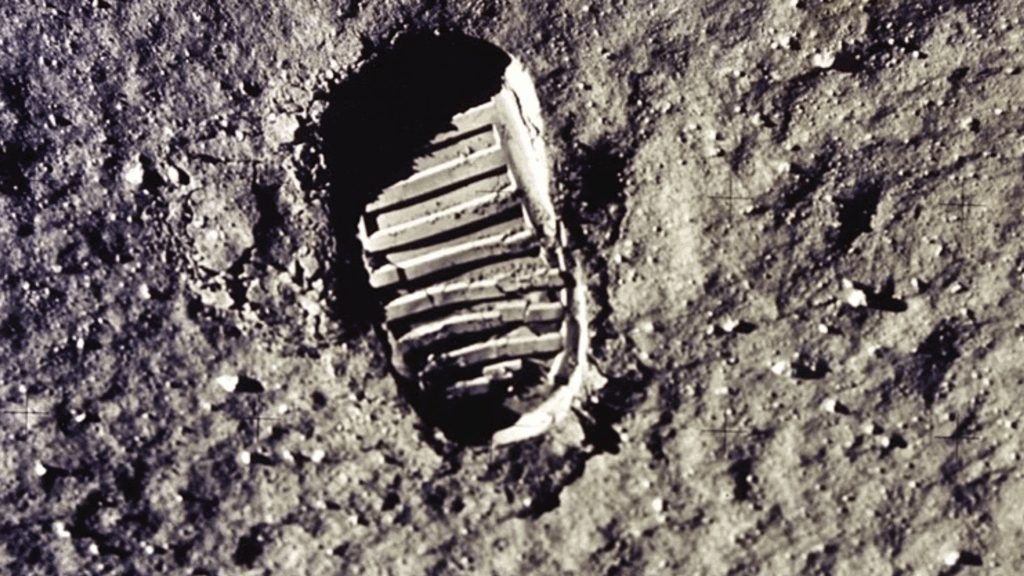
The confirmed 2026 timeline for NASA’s Artemis II mission represents a major milestone in human space exploration, marking the first time in over five decades that astronauts will travel around the Moon and return. As preparation for future lunar landings and human presence beyond Earth gathers momentum, this mission inspires global interest and optimism for the next chapter of deep space exploration and scientific discovery.