

Products are selected by our editors, we may earn commission from links on this page.

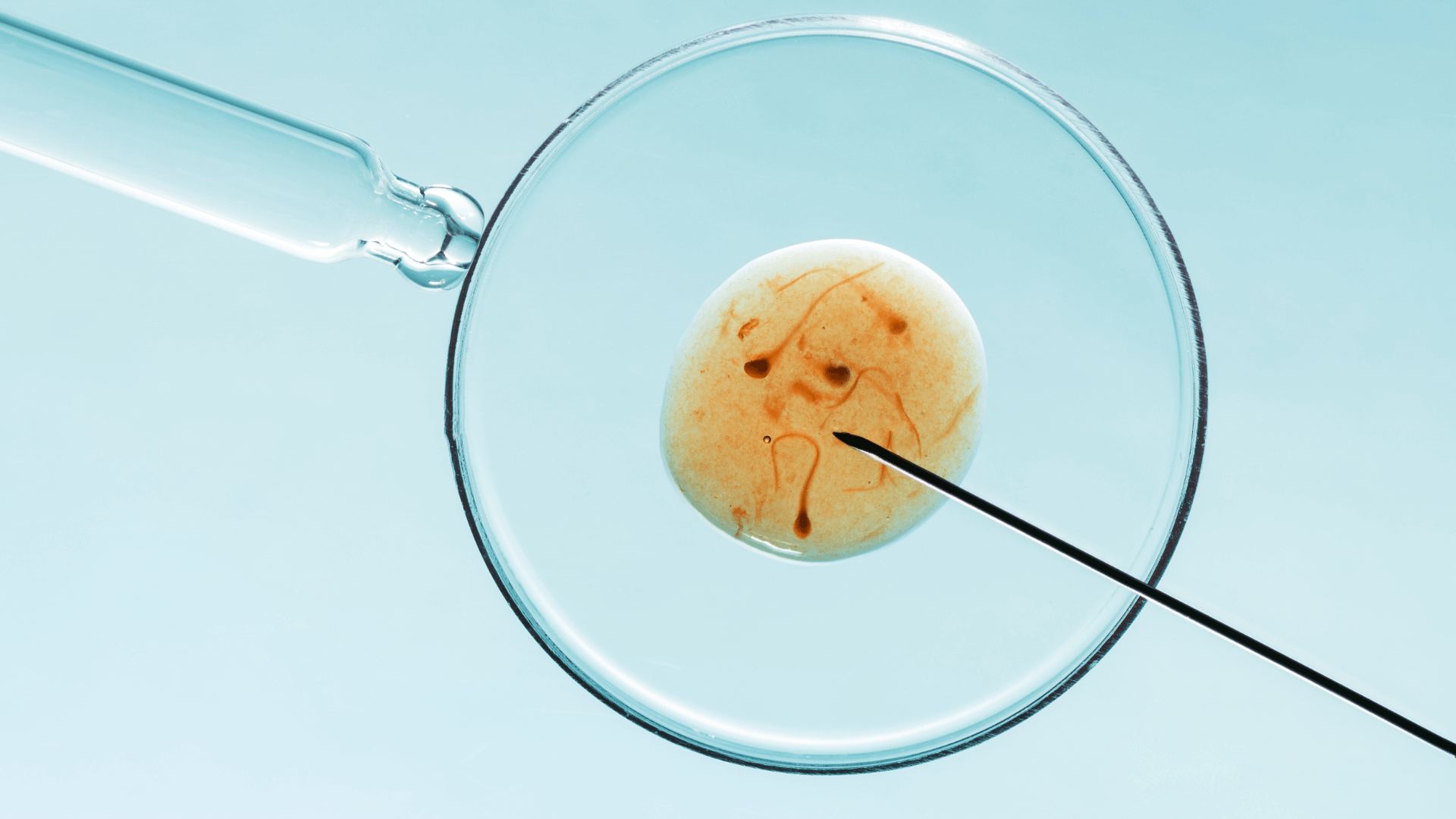
A sperm donor unknowingly carrying a cancer-causing gene has fathered at least 197 children across Europe. The man donated sperm for 17 years while healthy himself, passing routine screenings. Some children have already died from cancer, and many more face a lifetime of fear and medical monitoring.
The Alarming Discovery

Doctors began noticing a troubling pattern. Children conceived through sperm donation were developing cancer at alarming rates. When geneticists investigated, they discovered 23 children with a dangerous mutation out of 67 known cases. Ten had already been diagnosed with cancer. The investigation would soon reveal a much larger problem.
Denmark’s European Sperm Bank Under Scrutiny

The sperm came from Denmark’s European Sperm Bank, where the donor began contributing in 2005 as a student. His donations were sold to 67 fertility clinics across 14 countries. The bank admitted families affected have their “deepest sympathy” and acknowledged the sperm was used to create too many babies in some countries.
Understanding the Genetic Time Bomb
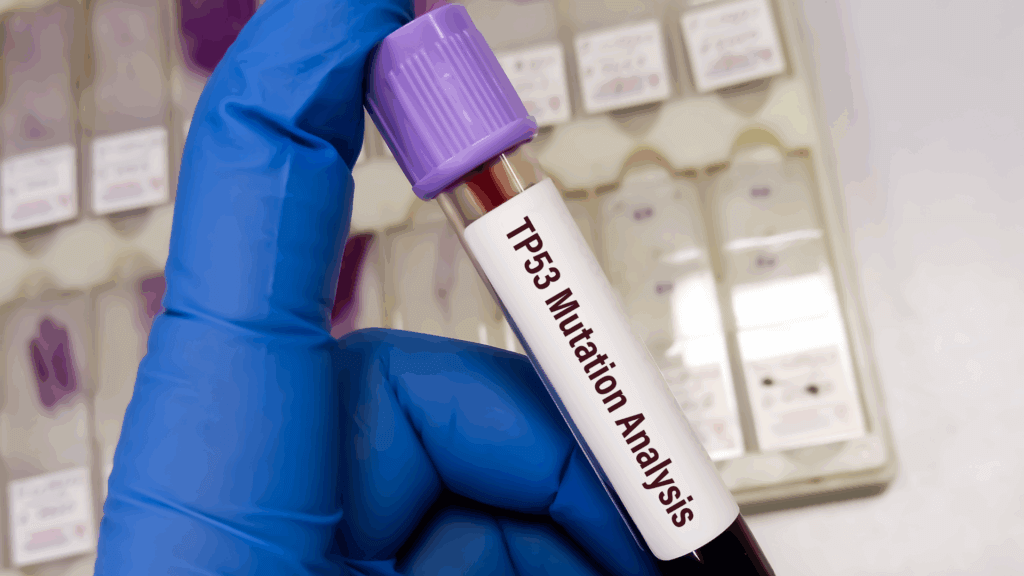
The donor carries a rare mutation in the TP53 gene, which normally prevents cells from becoming cancerous. While most of his body is unaffected, up to 20 percent of his sperm contain the mutation. Any children conceived from affected sperm will have the mutation in every cell of their body.
Li Fraumeni Syndrome Explained Simply
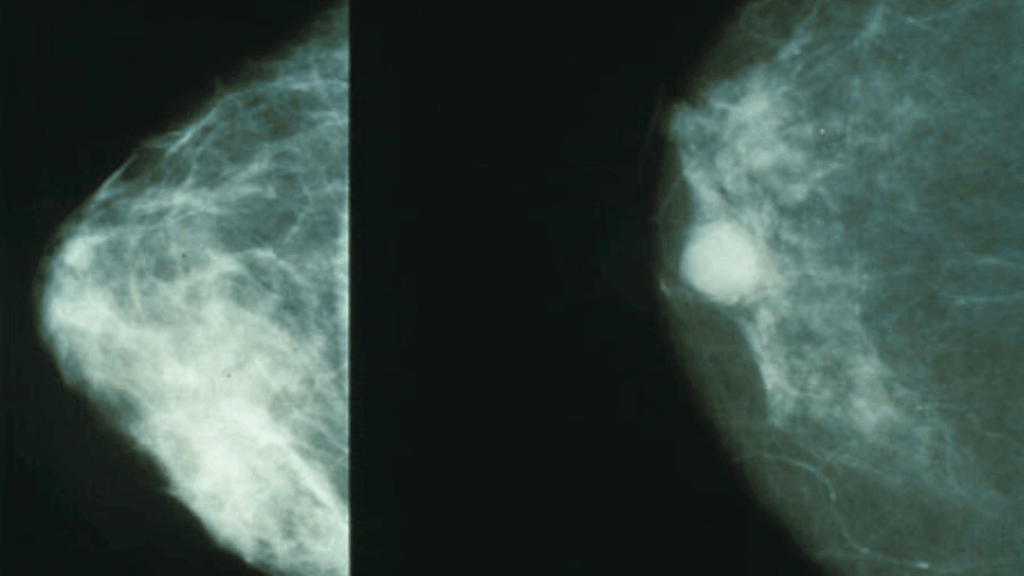
Children who inherit the mutation develop Li Fraumeni syndrome, a devastating disorder. Those affected face a very high risk of cancer throughout their lifetime, with a sizeable risk of childhood-onset cancers. The syndrome carries up to a 90 percent chance of developing cancer, particularly during childhood and breast cancer later in life.
How an Undetectable Mutation Slipped Through
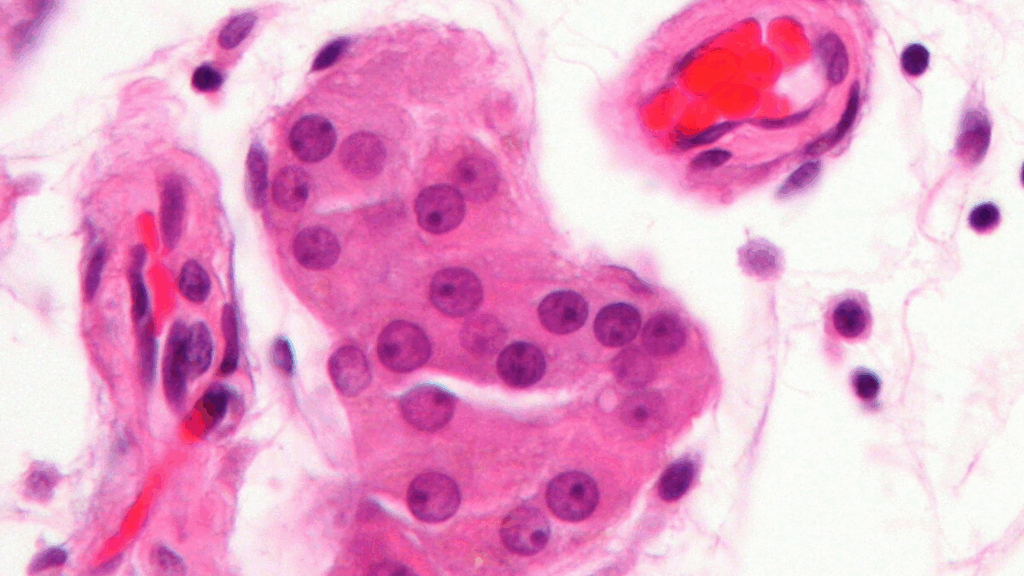
The mutation occurred before the donor was born, damaging DNA in some of his cells. The mutation was present in a very small percentage of his sperm cells, making it impossible to detect with standard 2005 screening tests. This type of genetic change, called gonadal mosaicism, only affected his reproductive cells.
The Devastating Reality for Families

Dr. Edwige Kasper, a cancer geneticist at Rouen University Hospital in France, revealed the grim statistics. “We have many children that have already developed cancer, we have some children that have developed two different cancers and some of them have already died at a very early age,” she told investigators.
A Mother’s Unthinkable Burden

Céline, a single mother in France whose 14-year-old daughter carries the mutation, received a shocking phone call from her Belgian fertility clinic. She says she has no hard feelings toward the donor but questions why she received sperm that wasn’t safe. She knows cancer will loom over them forever.
Facing an Uncertain Future

“It is a dreadful diagnosis. It’s a very challenging diagnosis to land on a family. There is a lifelong burden of living with that risk. It’s clearly devastating,” said Prof. Clare Turnbull, a cancer geneticist at the Institute of Cancer Research in London. Affected children require annual MRI scans and ultrasounds to catch tumors early.
British Families Also Affected

The sperm wasn’t sold to UK clinics, but British women who traveled to Denmark for fertility treatment used the donor’s sperm. The UK’s Human Fertilisation and Embryology Authority confirmed a “very small number” of women were affected. Those families have been informed and offered genetic counseling and screening.
Legal Limits Repeatedly Violated

Individual countries set their own limits on donor use. Belgium restricts donors to six families, yet 38 women produced 53 children from this donor. The UK limit is 10 families per donor. Denmark recommended 25 families at the time, but lacked enforcement mechanisms to prevent violations.
The Global Tracking Problem

There is no international law governing how many times donor sperm can be used worldwide. Prof. Allan Pacey, former sperm bank director, explains that countries have become dependent on big international sperm banks. These banks sell to multiple countries to make money, creating tracking problems and regulatory gaps.
Why Screening Has Limits

Prof. Pacey emphasizes that making sperm completely safe is impossible. “You can’t screen for everything,” he told the BBC. Sperm banks accept only one to two percent of applicants under current screening standards. Making requirements even tighter would eliminate donors entirely, leaving infertile couples with no options.
The Case for Stricter Global Limits

This case and another involving a donor who fathered 550 children have renewed calls for tougher limits. The European Society of Human Reproduction and Embryology recently suggested an immediate limit of 50 families per donor, with an ultimate goal of fewer than 15 families per donor worldwide.
Psychological Impact
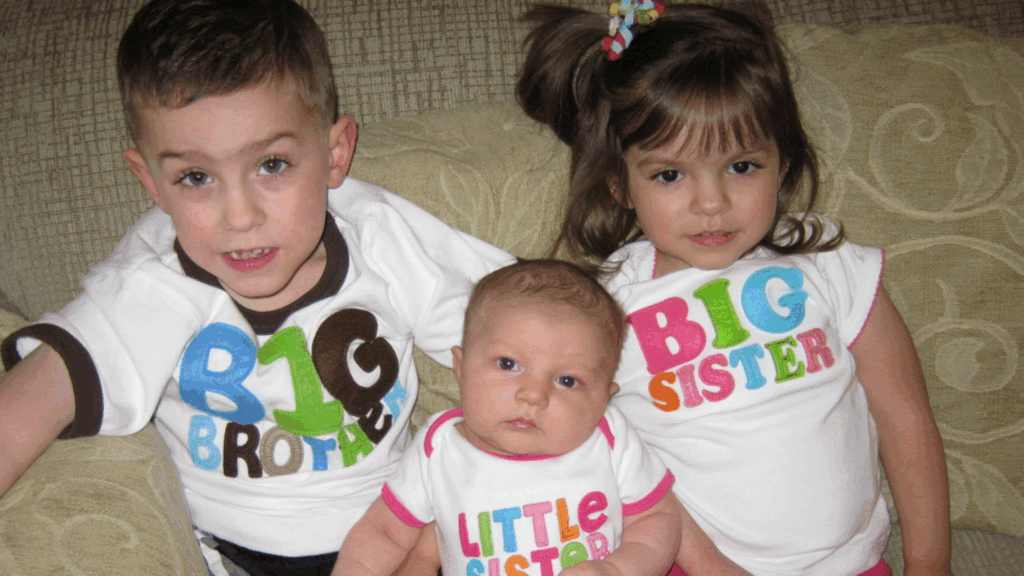
More needs to be done to reduce the number of families born globally from the same donors, says Sarah Norcross, director of the Progress Educational Trust. The social and psychological implications of having hundreds of half-siblings aren’t fully understood. Children may struggle with identity and accidentally form romantic relationships with siblings.
An Exceptionally Rare Coincidence

This case represents a highly unfortunate coincidence of two exceptionally unusual events: that the donor’s sperm carry mutations for an extremely rare genetic condition affecting fewer than 1 in 10,000 people and that his sperm has been used in the conception of such an extraordinarily large number of children, experts noted.
The Importance of Licensed Clinics

Despite this case, experts stress that using licensed clinics remains safer than unscreened donors. Sarah Norcross says these cases are “vanishingly rare” considering the number of children born through sperm donation. Licensed clinics screen donors for more diseases than most biological fathers are tested for.
Questions to Ask Your Clinic
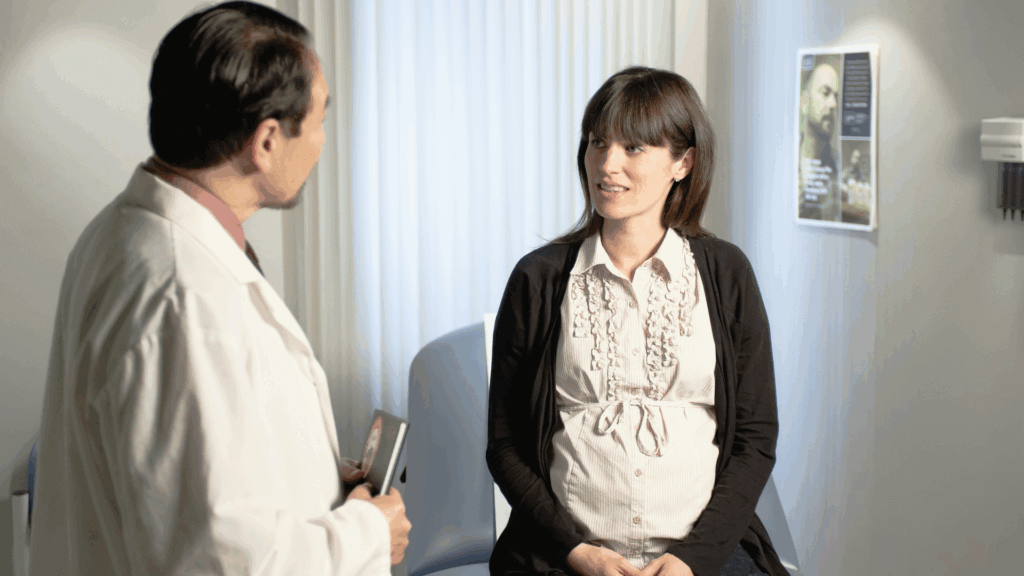
Prof. Pacey advises those considering sperm donation to ask whether the donor is from the UK or elsewhere. If from abroad, ask how many times that donor has been used previously. Understanding the donor’s usage history helps families make informed decisions and assess potential risks.
Thousands Still Depend on Donor Sperm
The European Sperm Bank emphasized that thousands of women and couples cannot have children without donor sperm. It is generally safer to have a child with the help of donor sperm if the sperm donors are screened according to medical guidelines, the bank stated, despite this tragic case.
What Comes Next
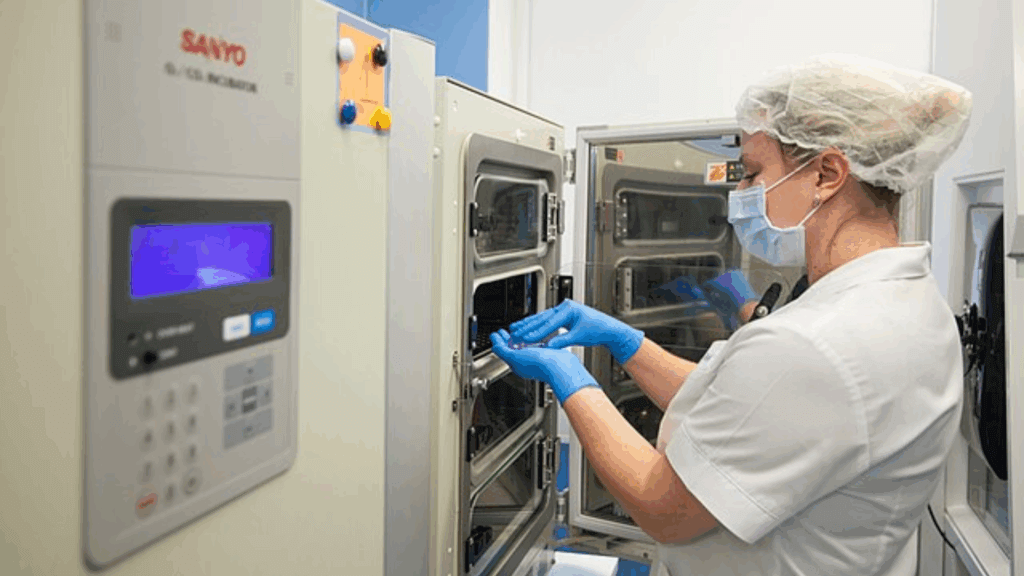
This case exposes critical gaps in international sperm donation regulation. Countries need better coordination, tracking systems, and enforced limits on donor usage. While screening can’t catch everything, improved genetic testing and mandatory reporting could prevent similar tragedies. For now, affected families face an uncertain future of medical monitoring and hope.