


Products are selected by our editors, we may earn commission from links on this page.

Nearly seven percent of retirees fail to take their required minimum distributions from retirement accounts each year, a mistake that can lead to costly penalties and unnecessary stress during retirement. Required minimum distributions, commonly known as RMDs, are mandatory withdrawals that must be taken from most tax deferred retirement accounts once a person reaches a certain age, and missing them can quickly become expensive.
According to recent retirement data highlighted by financial experts, many retirees either misunderstand the rules or simply overlook the deadline, especially during the first year they are required to take a distribution. In some cases, retirees assume their financial institution will automatically handle the withdrawal, only to discover later that the responsibility ultimately rests with the account holder.
The consequences of missing an RMD can be serious, with penalties that may reach nearly three thousand dollars for some retirees, depending on the size of the missed withdrawal. Even though recent law changes have reduced the harshest penalties from earlier years, the financial impact can still significantly affect fixed retirement incomes.
Why Retirees Miss Required Minimum Distributions
One of the most common reasons retirees miss required withdrawals is confusion surrounding the complex and frequently changing rules that govern retirement accounts. The age at which RMDs begin has shifted in recent years, leading many retirees to rely on outdated information or assumptions that no longer apply under current law.
Life changes during retirement can also play a role, as retirees juggle health issues, family responsibilities, and major transitions that make it easier to overlook administrative tasks. For those with multiple retirement accounts spread across different financial institutions, keeping track of separate withdrawal requirements can become especially challenging.
In addition, some retirees intentionally delay withdrawals because they do not need the money immediately and want to preserve savings for as long as possible. Unfortunately, failing to take an RMD for this reason does not eliminate the obligation and can result in penalties that erase much of the benefit of delaying the withdrawal.
The Real Cost of Missing an RMD

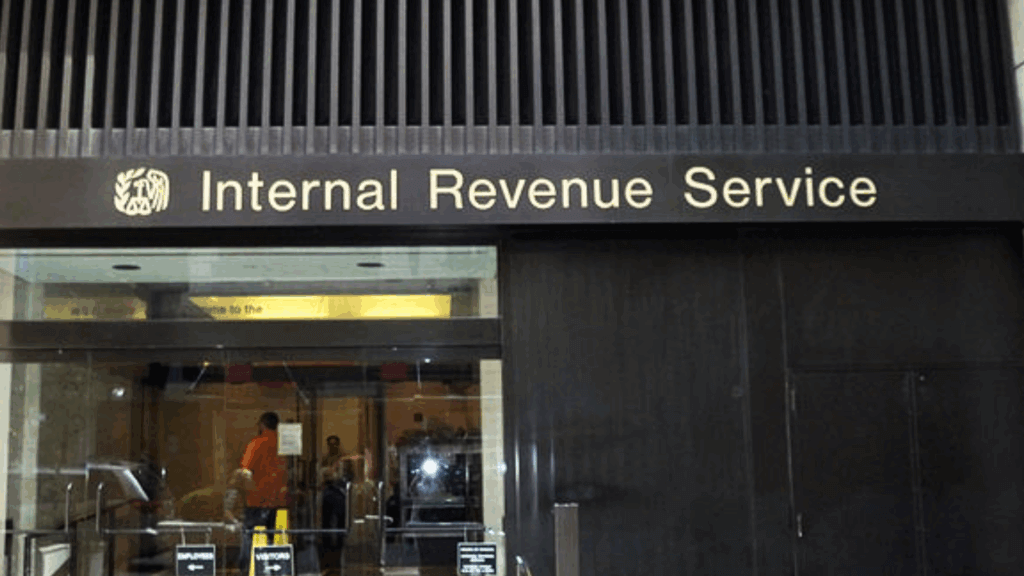
When a required minimum distribution is missed, the IRS may impose a penalty equal to a significant percentage of the amount that should have been withdrawn, which can quickly add up for retirees with larger balances. Although recent reforms lowered the maximum penalty compared to previous years, the fine can still reach thousands of dollars if the mistake goes uncorrected.
Beyond the immediate financial penalty, missing an RMD can create additional complications during tax season, requiring amended filings and extra paperwork to resolve the issue. These added steps can increase accounting costs and add stress during a time when retirees typically aim for simplicity and predictability in their finances.
The good news is that the IRS may reduce or waive penalties if retirees correct the mistake promptly and provide a reasonable explanation. However, this process requires awareness of the error and timely action, underscoring the importance of monitoring retirement accounts closely each year.
How Retirees Can Avoid Costly Withdrawal Mistakes

To avoid missing required minimum distributions, financial professionals recommend setting calendar reminders well ahead of annual deadlines and confirming withdrawals directly with account providers. Working with a financial advisor can also help retirees coordinate withdrawals across multiple accounts and ensure compliance with current tax rules.
Many retirees benefit from consolidating retirement accounts or setting up automatic withdrawals that satisfy RMD requirements each year. These steps reduce the likelihood of oversight while still allowing retirees to manage cash flow in a way that supports their broader financial goals.
As retirement rules continue to evolve, staying informed is essential to protecting hard earned savings from avoidable penalties. By understanding RMD requirements and taking proactive steps, retirees can maintain greater financial security and peace of mind throughout their retirement years.