

Products are selected by our editors, we may earn commission from links on this page.
Despite reports showing steady economic growth and a resilient job market, many Americans continue to say they feel uneasy about the economy. Economists note that public sentiment is shaped not only by employment figures or stock market performance but also by what families experience every day. One of the clearest indicators helping explain this disconnect is the continued rise in the cost of living, particularly for essentials such as housing, groceries, insurance, and healthcare. While inflation has slowed from its recent peak, many prices remain significantly higher than they were just a few years ago, leaving households feeling financially stretched.
The Cost of Living Remains Elevated

Although the pace of inflation has eased, the cumulative increase in prices has had a lasting impact on household budgets. Consumers are still paying considerably more for everyday necessities than they did before the recent inflation surge. Food, rent, utilities, transportation, and household goods continue to consume a larger share of many families’ incomes. As a result, even people whose wages have increased may feel they are falling behind.
Housing Costs Continue to Pressure Household Budgets

Housing remains one of the largest financial challenges for many Americans. Home prices in many markets remain historically high, while mortgage interest rates have made purchasing a home more expensive. Renters have also experienced substantial increases in monthly housing costs in numerous cities. Because housing typically represents a family’s largest expense, rising costs have a significant influence on overall perceptions of the economy.
Grocery Prices Continue to Affect Daily Life

Food prices have become one of the most visible reminders of inflation. Even though price increases have slowed, many staple items remain substantially more expensive than they were several years ago. Consumers notice these costs every time they visit the grocery store, making inflation feel like an ongoing issue. Frequent exposure to higher food prices reinforces concerns about household finances.
Wage Growth Has Not Felt Equal for Everyone

Many workers have received pay increases in recent years, but wage growth has varied across industries and regions. For some households, higher earnings have helped offset increased expenses. Others, however, continue to find that raises have not fully kept pace with rising costs for housing, food, insurance, childcare, and healthcare. This uneven experience contributes to differing views about the overall economy.
Consumer Confidence Reflects Personal Finances
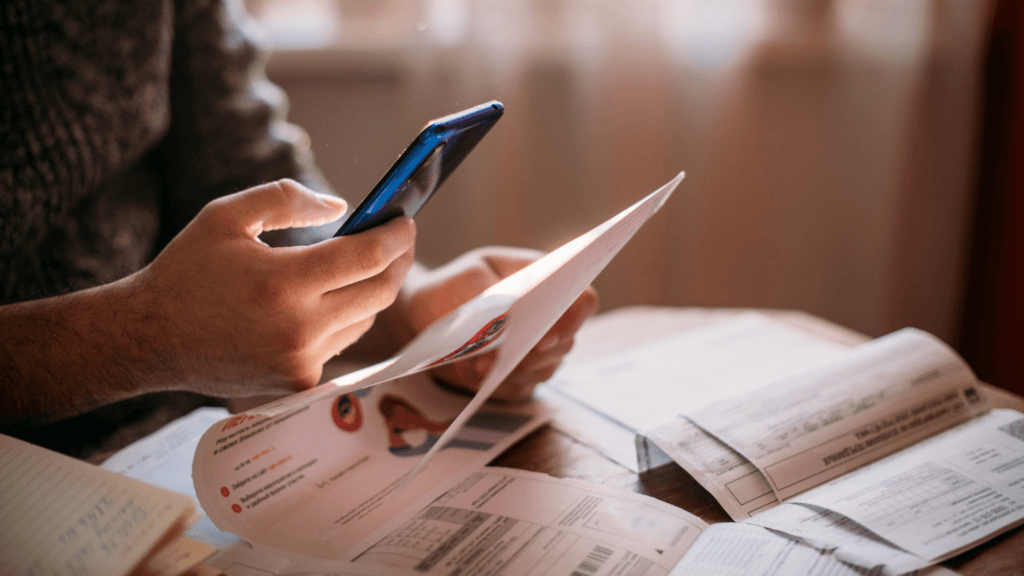
Economic confidence is often influenced more by personal financial situations than by national statistics. Families who struggle to save money, pay bills, or prepare for unexpected expenses may report negative views of the economy even when broader indicators remain strong. Economists frequently use consumer confidence surveys to measure how households feel about both current conditions and future financial prospects.
Interest Rates Have Increased Borrowing Costs

Higher interest rates have made borrowing more expensive for consumers and businesses alike. Monthly payments on mortgages, auto loans, and some credit card balances have increased, placing additional pressure on household budgets. Although higher rates are intended to help reduce inflation, they can also make major purchases more difficult for families considering buying homes, vehicles, or other expensive items.
Economic Conditions Vary Across Communities

Not every part of the country experiences the economy in the same way. Employment opportunities, wages, housing costs, and local industries differ significantly between regions. Communities dependent on manufacturing, agriculture, technology, tourism, or energy may experience economic conditions that differ from national averages. These local differences help explain why public opinion about the economy can vary widely.
Economists Continue to Watch Key Indicators
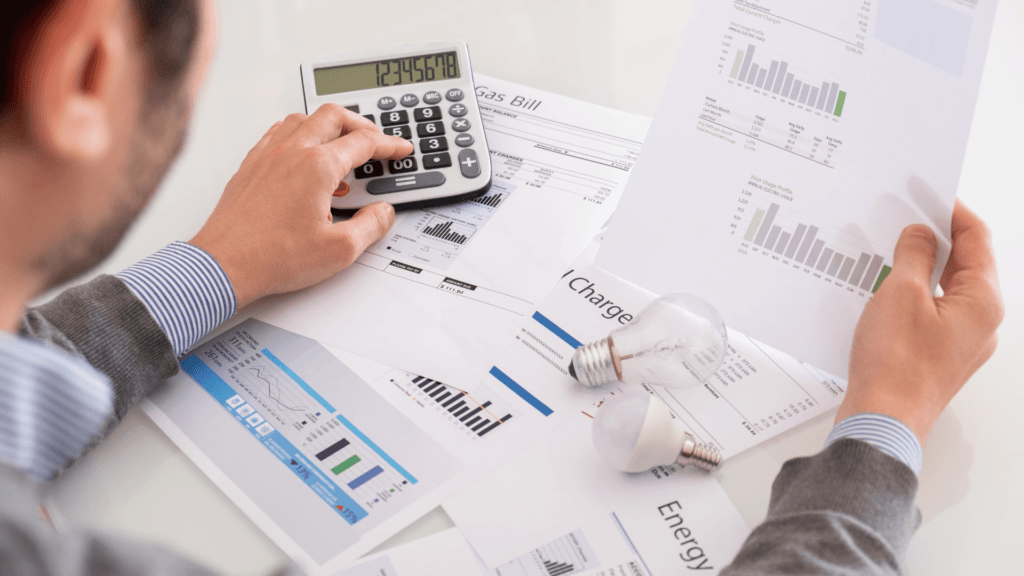
Economists monitor a wide range of indicators, including inflation, unemployment, wage growth, consumer spending, and business investment, to assess the nation’s economic health. While several measures suggest continued resilience, experts also recognize that public perception plays an important role in economic activity. Consumer confidence influences spending decisions, business investments, and overall economic momentum, making sentiment an important indicator alongside traditional economic data.
Everyday Expenses Shape How Americans View the Economy
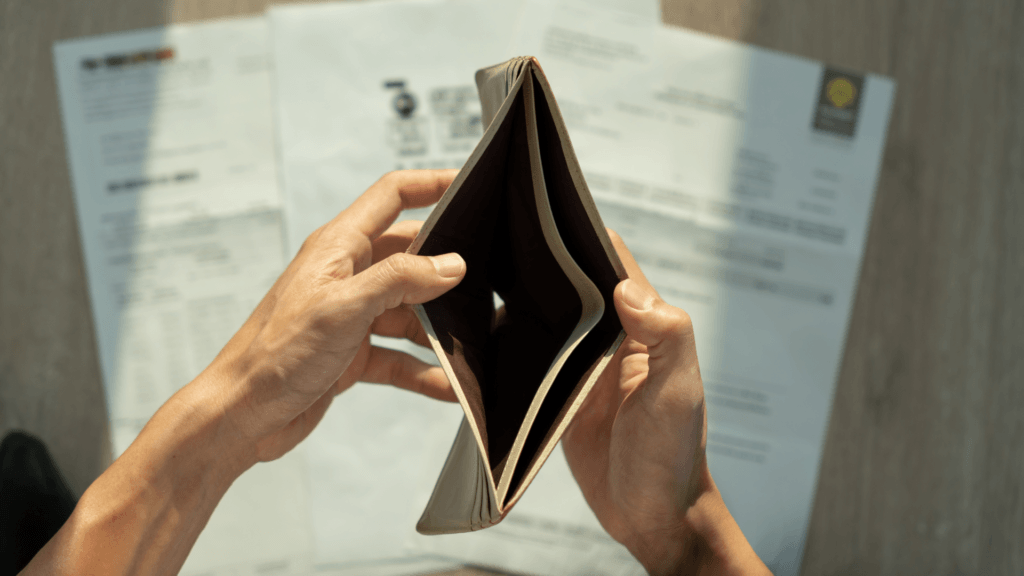
Many Americans continue to express concern about the economy because their daily financial experiences do not always align with positive national economic headlines. Although inflation has slowed and the labor market has remained relatively strong, the lasting effects of higher prices for housing, groceries, healthcare, insurance, and other essentials continue to strain household budgets. Rising borrowing costs and uneven wage growth have added to these concerns. As policymakers and economists monitor future trends, the way families experience everyday expenses will likely remain one of the strongest influences on how Americans judge the health of the economy.