

Products are selected by our editors, we may earn commission from links on this page.

New Jersey has ignited a fierce public reaction after enacting one of the strictest cellphone restrictions in the nation. A new statewide law will ban students from using mobile phones and internet-connected devices during the school day in public K-12 schools, affecting over one million students across the Garden State when it takes effect in the 2026–2027 academic year. Supporters hail it as a bold step to improve focus and mental health, but critics call it heavy-handed and disruptive to family communication. Why is a simple phone policy creating so much outrage?
What the law actually does

Under the new legislation signed by outgoing Governor Phil Murphy, schools must adopt “bell-to-bell” cellphone bans — meaning students cannot use phones or other internet-enabled devices from the first to last bell of the school day. The prohibition includes school buses and school-sponsored events, with limited exceptions for emergencies and educational uses. Local school boards must update policies that comply with statewide guidelines due out before the law goes into force.
Who it impacts

The ban will affect every public school district in New Jersey, covering students from kindergarten through 12th grade. That adds up to more than one million children and teens who will be required to keep their devices off and out of sight during school hours. Many families are alarmed that they won’t be able to communicate with students during the day in non-emergency situations.
Why lawmakers pushed it

Lawmakers and supporters argue that unrestricted phone access in classrooms leads to distraction, undermines academic achievement, and contributes to the growing mental health crisis among young people. New Jersey’s Commission on the Effects of Social Media said research shows constant device use interferes with learning and can heighten anxiety and depression. Governor Murphy has framed the law as a way to “fundamentally change learning environments” and restore focus.
Money and implementation

To help with rollout, the state budget includes grant funding for school districts to implement the ban, including things like phone pouches, secure storage systems, and staff training. The Department of Education is tasked with publishing guidelines so districts can tailor their policies while staying compliant. Guidelines are being designed to address key issues such as emergency access and equitable enforcement across diverse school communities.
Supporters’ arguments

Supporters say cellphone bans improve focus, reduce bullying and social media pressure, and foster real-world interaction. Some schools that piloted similar policies reported increased class engagement and fewer disruptions, and educators argue the law gives teachers more control over classroom environments. Mental health advocates say phones — especially social media apps — can harm adolescents’ well-being.
Backlash and concerns

But not everyone is on board. Many parents and students worry that a sweeping ban limits personal communication and could hinder safety in emergencies. Critics also question whether banning phones is the best way to improve academic performance, arguing that education about healthy tech use might be more effective. Some see the law as a top-down approach that doesn’t account for individual community needs.
A national trend

New Jersey joins a broader national movement: 37 states plus Washington, D.C. now have laws or regulations limiting phones in schools, though not all enforce ban-all policies. Some states allow limited use or local district discretion, while others, like New Jersey, adopt the strictest policies. The nationwide push reflects rising concern about kids’ screen time, learning losses, and social media’s influence on youth.
What’s next
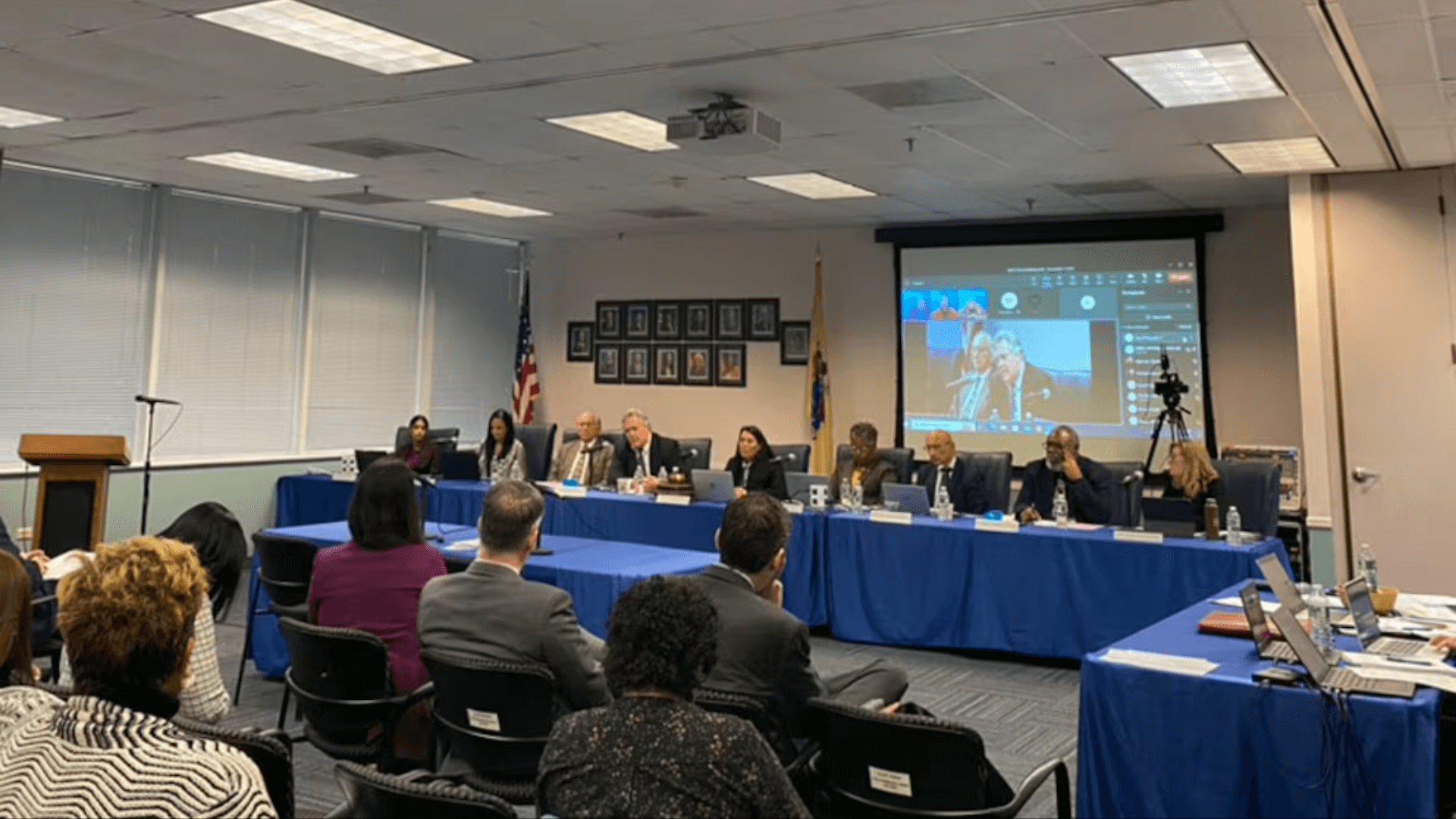
The law doesn’t take effect until the 2026–2027 school year, giving districts time to prepare. State education officials will issue official guidelines that districts must follow. Local boards still have control over how they implement practical details, like where phones will be stored and what exceptions are allowed for emergencies or special needs. As rollout nears, expect continued debate in communities statewide.
Conclusion

New Jersey’s phone ban has put a spotlight on how society balances technology, education, and youth well-being. Supporters see it as a necessary reset in a world dominated by screens, while opponents view it as an overreach that could distance families and ignore real safety needs. With similar proposals gaining traction elsewhere, this law may be a preview of what’s coming in classrooms nationwide. Is restricting phones the key to better student outcomes, or does it go too far? What do you think?