

Products are selected by our editors, we may earn commission from links on this page.

As more and more people are excited to explore the beautiful National Parks that the U.S. has to offer, restrictions are tightening. While new policies are being implemented as an effort to protect the natural beauty of these parks, some visitors are sick and tired of the restrictions and crowds, and are electing to turn right back around. The timed entry policy has sparked particular outrage among some avid National Park goers.
Under the new system, certain popular parks require visitors to secure a timed entry pass before they can enter. Park officials say this change is meant to manage crowd levels, reduce environmental wear and tear, and improve the overall visitor experience. But for many travelers, the added step is proving frustrating and inconvenient.
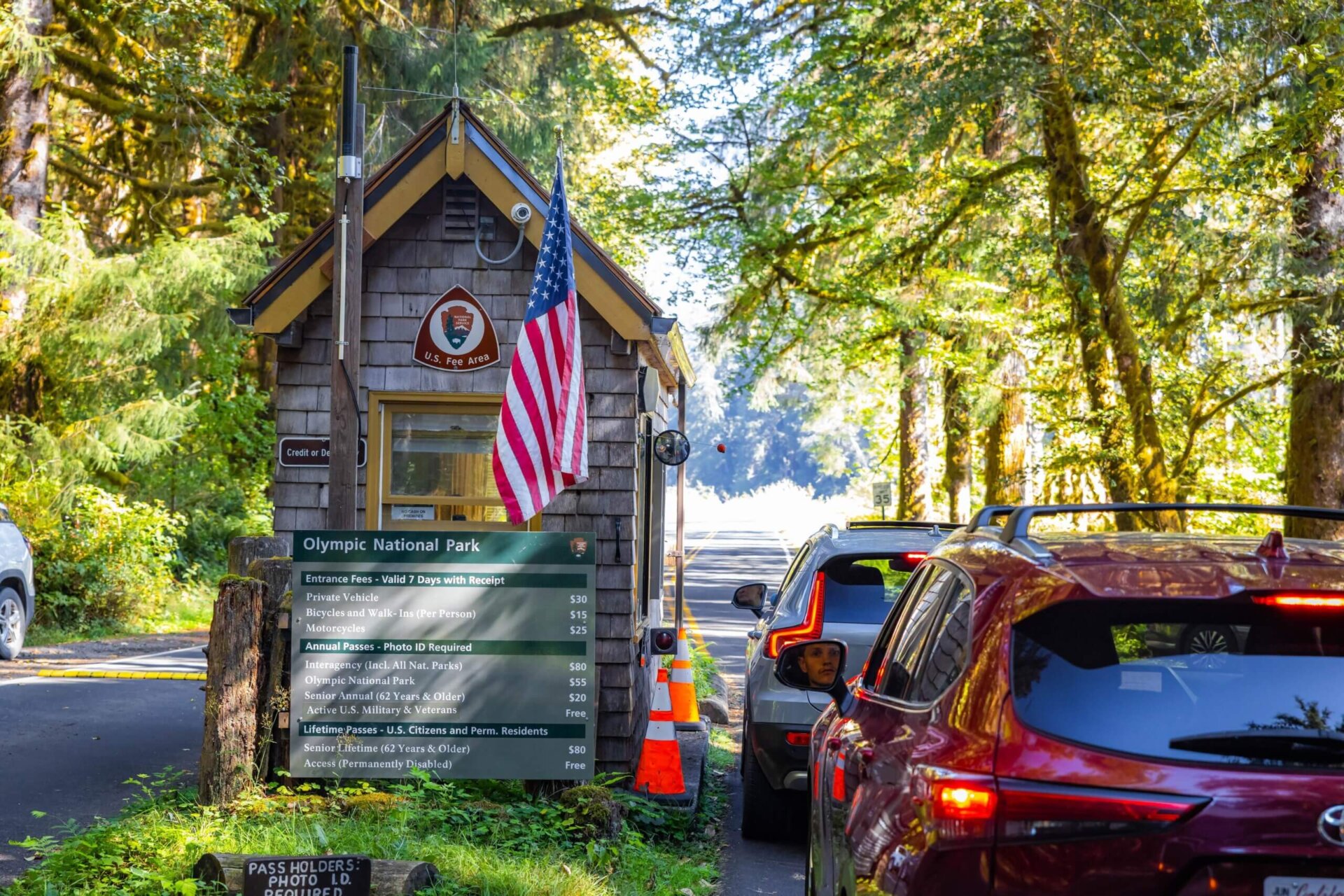
Visitors have reported arriving at park gates only to be turned away because they did not have the required reservation. Some people say they weren’t aware of the policy before making the drive. Others say they changed travel plans on the spot and went home rather than figure out a last-minute solution.
Why the Timed Entry Policy Was Introduced
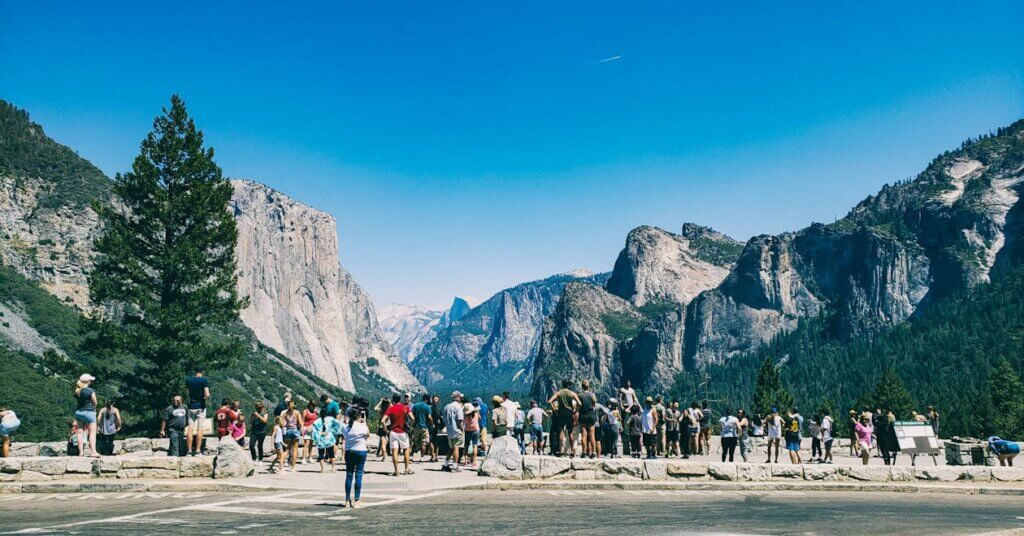
Officials managing some national parks say the unprecedented number of visitors in recent years has created overcrowding, traffic jams, and increased risks to wildlife and natural resources. Timed entry passes are designed to spread out visitors throughout the day. Park leaders emphasize that preserving the land for future generations is their top priority.
Park staff also note that the controlled entry helps reduce congestion in popular trailheads and scenic overlooks. Rangers hope fewer crowds will make trails safer and more enjoyable for everyone. The idea, they say, is not to keep people out but to make visits more sustainable over the long term.
Despite good intentions, the execution has left some travelers feeling blindsided. Many people have taken to social media to share stories of being stuck at gates with no clear path forward. The heated reactions highlight a disconnect between policy makers and everyday visitors.
Public Reaction and Visitor Frustration
Reactions from park visitors have been mixed, but there is a strong current of frustration on social platforms. Some users share tips on how to navigate the timed entry system and get permits in advance. Others express exasperation, saying the parks feel less accessible now than in previous years.
Travelers who have been turned away say the policy makes spontaneous trips nearly impossible. For families and out-of-state visitors, it adds a level of planning that dampens the spirit of adventure. Many say they now consider alternative destinations where reservations are not required.
Still, supporters of the policy argue that managing crowds is essential to protect fragile ecosystems. They point out that visitor limits can enhance the enjoyment of those who do secure entry times, avoiding packed parking lots and lines at trailheads. For them, the trade-off is worth it. National parks remain some of the country’s most beloved public lands, and debate over how best to care for them is likely to continue. For now, the timed entry policy stands as a flashpoint between conservation goals and visitor expectations.
What Visitors Can Do
For those planning a national park trip, experts recommend checking park websites ahead of time to understand any entry requirements. Securing timed entry reservations well in advance can help avoid disappointment. Being flexible with travel dates and times may also improve the chances of getting in.
Visitors are also encouraged to arrive early, especially during peak seasons, and to explore less crowded areas of the parks when possible. Park staff remind travelers that many stunning natural spaces are available nationwide, some without entry limits.
Ultimately, the goal remains to protect these natural treasures while still making them accessible. As policies evolve, so too will the conversations between visitors, officials, and communities who care deeply about preserving America’s national parks.