


Products are selected by our editors, we may earn commission from links on this page.

New York has confirmed its first known human case of Bourbon virus, an extremely rare tick-borne illness that can initially resemble more familiar infections such as Lyme disease. Researchers led by Stony Brook Medicine identified the infection in a Long Island patient as part of a study examining people with unexplained tick-related illnesses in Suffolk County. Bourbon virus remains rare, but doctors say the discovery is another reason New Yorkers should take tick prevention seriously and seek medical care when unexplained illness develops after possible exposure.
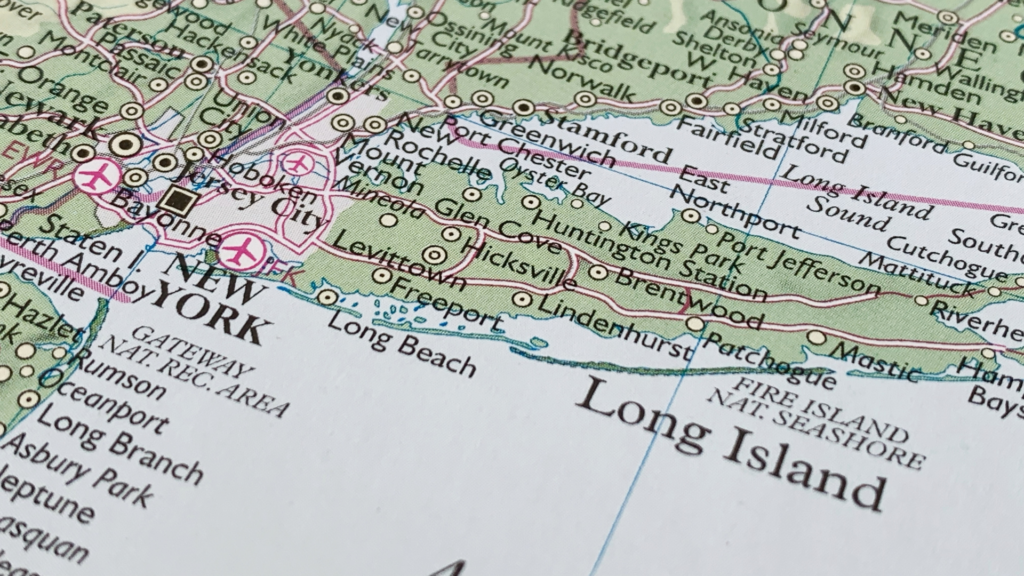
New York’s First Confirmed Case Was Found on Long Island

The confirmed patient was Michael Larkin, a 67-year-old Suffolk County resident who encountered two tiny lone star ticks while landscaping in his backyard in Brookhaven Town. His illness was eventually identified as Bourbon virus, making it the first confirmed human case documented in New York State. The case also demonstrates that potentially significant tick exposure does not require a wilderness trip, since ticks can be encountered while gardening, doing yard work, walking pets, or spending time around vegetation close to home.
Bourbon Virus Is Still Extremely Rare
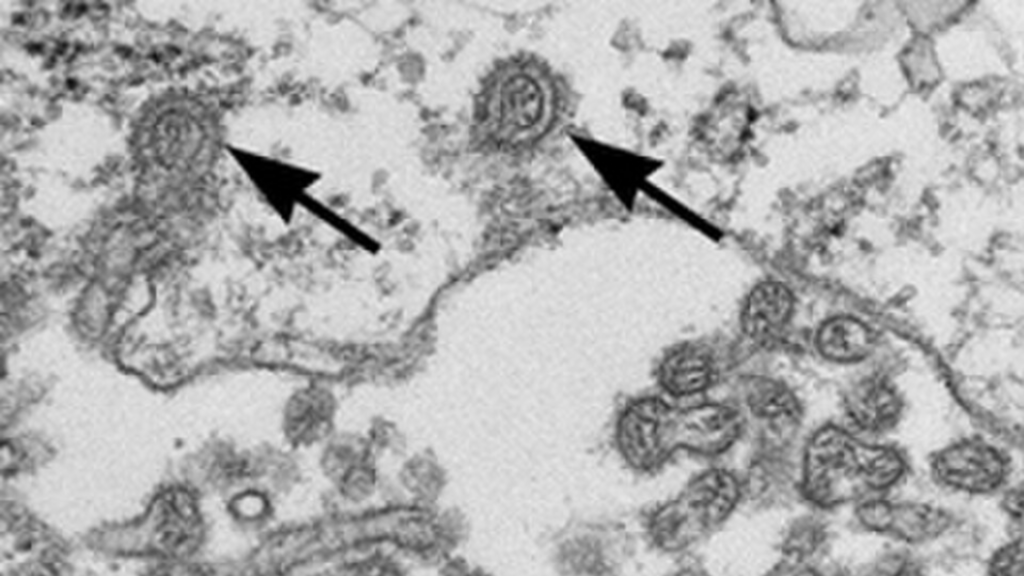
Bourbon virus was first identified in 2014 after a patient in Bourbon County, Kansas became ill, which is how the virus received its name. Since then, only a limited number of human cases have been identified in the United States, primarily across parts of the Midwest, South, and East Coast. Researchers are not suggesting that New York is facing a widespread Bourbon virus outbreak, but the newly confirmed case shows that the virus can occur in a region where many people may never have heard of it.
Lone Star Ticks Are the Main Suspect
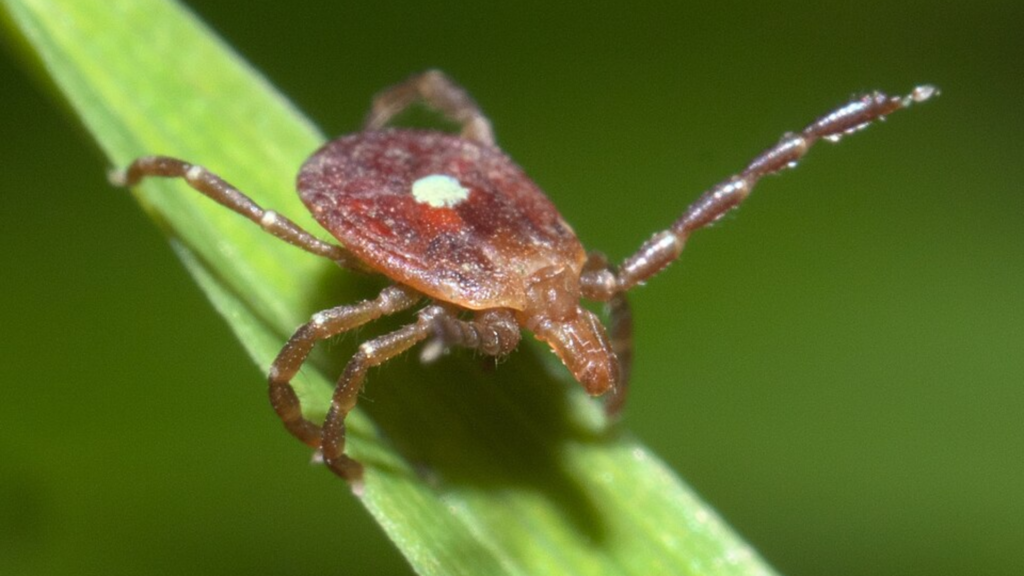
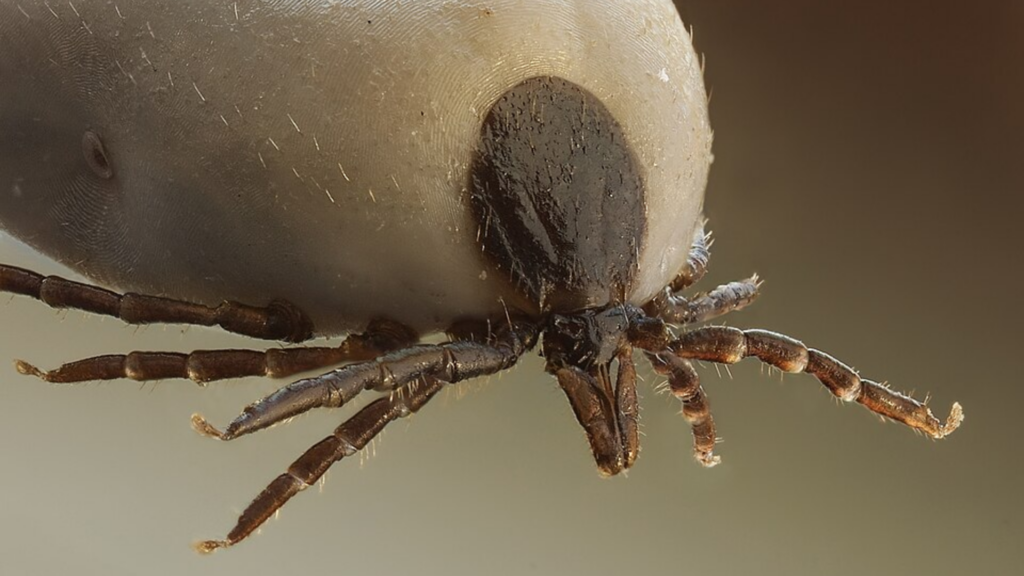
Bourbon virus is believed to spread through the bite of infected ticks, with the lone star tick considered the likely vector. Adult female lone star ticks are recognizable by the distinctive white spot on their backs, although younger ticks can be extremely small and much harder to identify. Lone star ticks have become increasingly common in the Northeast, and experts note that they can also be associated with other health problems, including ehrlichiosis, tularemia, Heartland virus disease, and alpha-gal syndrome.
The Symptoms Can Look Like Other Tick-Borne Illnesses
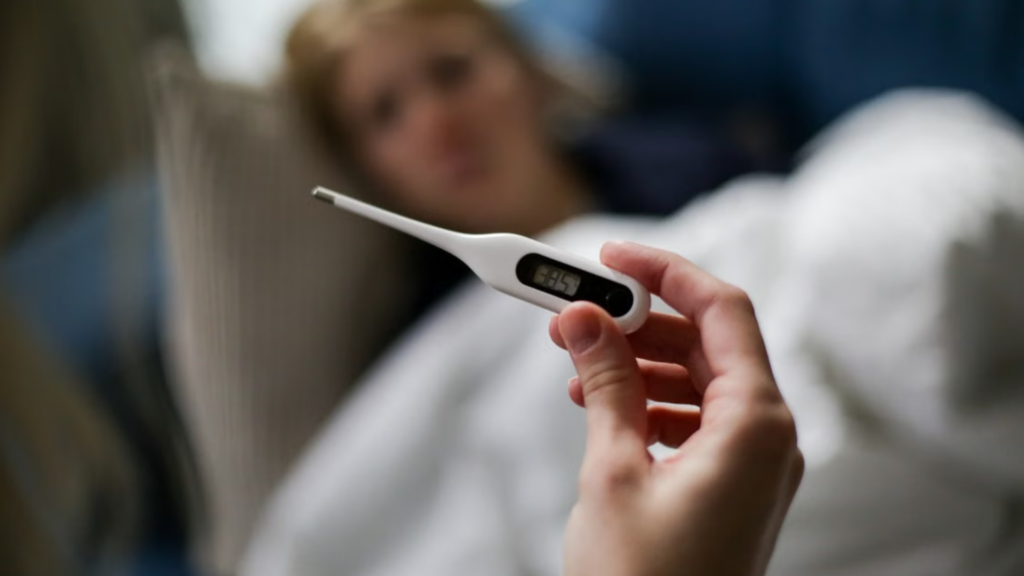
One reason Bourbon virus can be difficult to recognize is that its symptoms overlap with several better-known illnesses. The CDC says reported symptoms include fever, fatigue, rash, headache, body aches, nausea, and vomiting, while laboratory findings can include unusually low white blood cell and platelet counts. Because those signs do not immediately point to one specific disease, doctors evaluating a sick patient after a tick bite may initially investigate more common tick-borne infections.
Routine Testing May Not Find the Answer
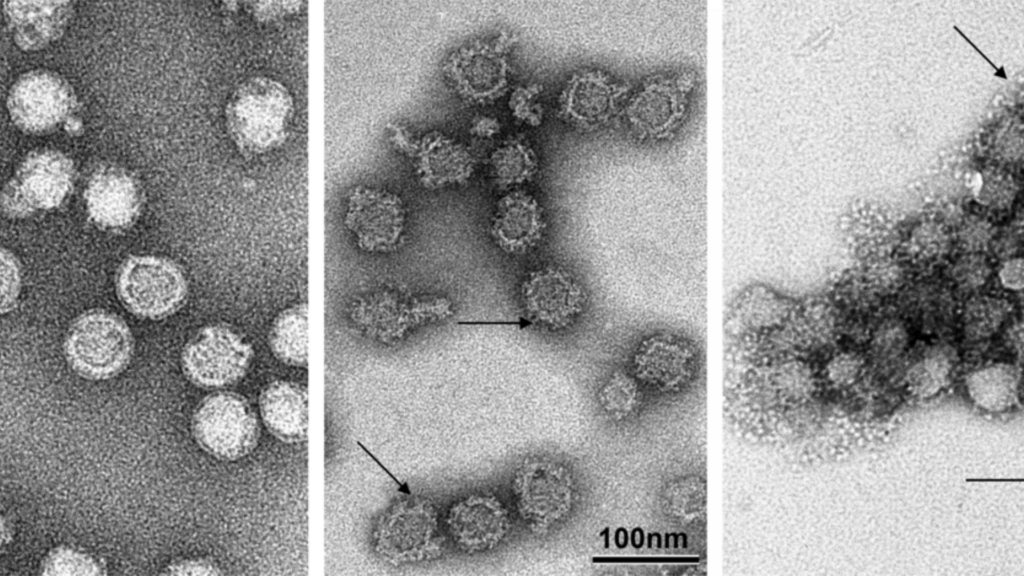
Diagnosing Bourbon virus presents another major challenge because there is currently no commercially available diagnostic test in the United States. When doctors suspect the illness, the CDC recommends working with state or local health departments to determine whether specialized molecular or antibody testing should be pursued. Stony Brook researchers have warned that this combination of unfamiliar symptoms, rarity, and limited testing could mean some infections have previously gone unrecognized.
Antibiotics Cannot Treat Bourbon Virus

Many bacterial tick-borne infections can be treated with antibiotics, but Bourbon is caused by a virus, so antibiotics do not treat the infection itself. There is currently no specific antiviral medication or vaccine for Bourbon virus disease, meaning treatment focuses on supportive care while the body fights the infection. The CDC says mild symptoms may be managed with measures such as pain relief, while seriously ill patients can require hospitalization, intravenous fluids, and treatment for fever and pain.
Researchers Think Some Cases Could Be Going Undiagnosed
Stony Brook researchers examined 107 people who had experienced fever and other symptoms consistent with tick-borne illness between 2019 and 2024, ultimately finding evidence supporting Bourbon virus infection in New York. Lead researcher Dr. Luis Marcos said the dense lone star tick population in New York and the Northeast, combined with symptoms that resemble other infections, raises the possibility that additional cases have escaped diagnosis. That remains a research concern rather than evidence that large numbers of New Yorkers are currently infected, which is important given how rare confirmed Bourbon virus disease remains.
Preventing Tick Bites Is Currently the Best Protection

With no Bourbon virus vaccine or specific treatment available, avoiding tick bites remains the most practical defense. New York health officials recommend wearing long pants, long sleeves, and closed-toe shoes in tick-prone areas, using EPA-registered repellents such as DEET, picaridin, or IR3535, checking the entire body after outdoor activity, showering after coming inside, and checking pets as well. If a tick is attached, officials recommend removing it promptly with fine-tipped tweezers rather than trying methods such as burning or applying detergent.
One Rare Case Is a Reminder to Take Every Tick Bite Seriously
New York’s first confirmed Bourbon virus case does not mean people should stop enjoying their yards, trails, parks, or other outdoor spaces, especially because the disease remains exceptionally rare. It does show why tick prevention and awareness matter beyond Lyme disease, particularly as lone star ticks become more familiar across the Northeast. Anyone who develops fever, rash, unusual fatigue, headache, body aches, nausea, or other unexplained symptoms after a known or possible tick exposure should tell a healthcare provider about that exposure, since it can provide an important clue when determining what tests or follow-up may be appropriate.