

Products are selected by our editors, we may earn commission from links on this page.
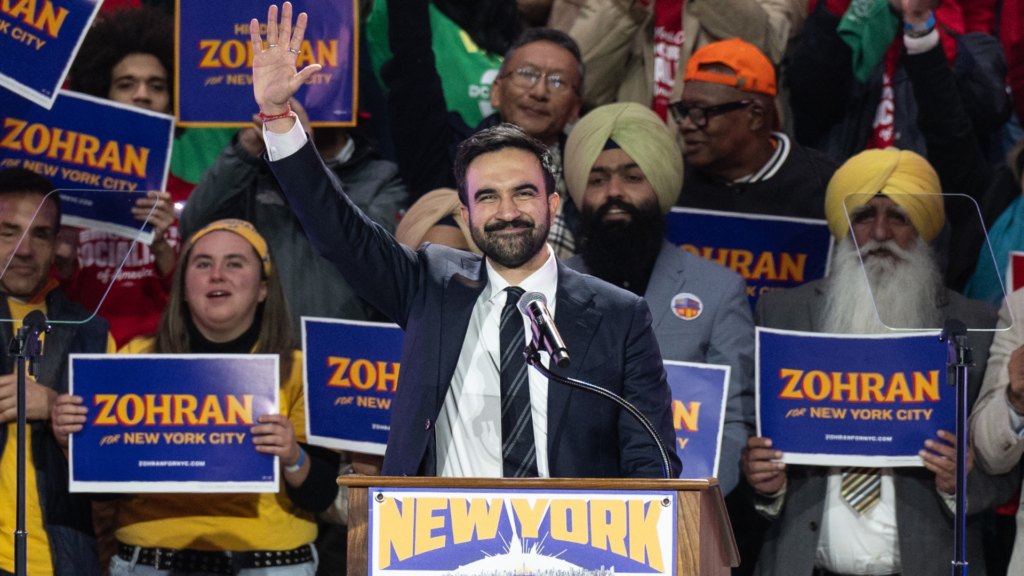
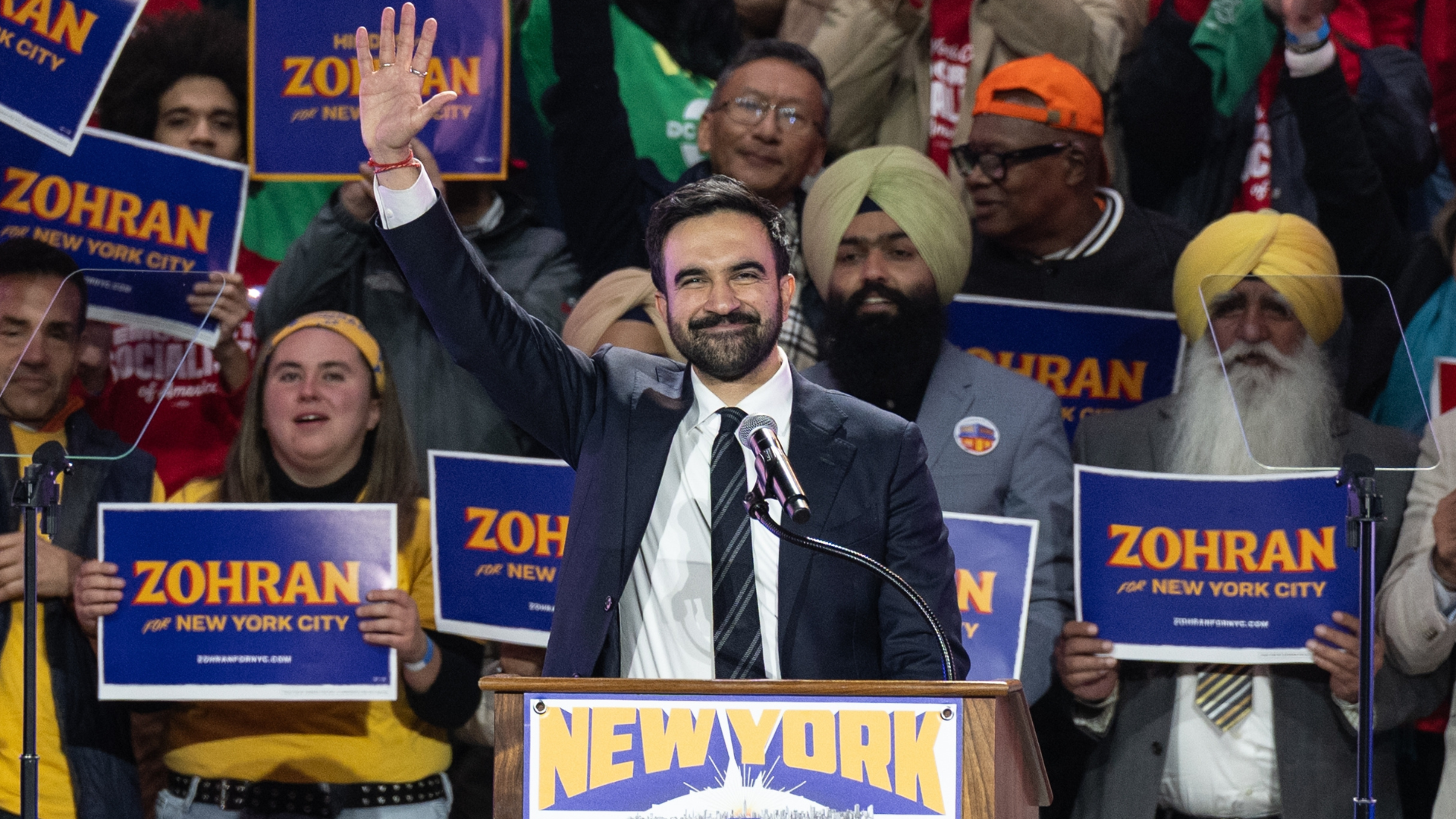
New York City is reporting historically low crime levels during Mayor Zohran Mamdani’s first six months in office, according to city data highlighted by multiple news reports. The milestone has become a major talking point for the administration, which campaigned on improving quality of life, investing in communities, and making the city feel safer while maintaining a focus on economic and social issues. According to the reported figures, overall crime indicators reached some of the lowest levels seen in decades, surprising critics and supporters alike.
The results have fueled a broader discussion about what factors contribute most to public safety in one of the world’s largest cities. Supporters of the mayor argue that a combination of community-focused policies, public investment, and improved coordination between city agencies has helped create positive momentum during the administration’s opening months.
While debates continue over which policies deserve the most credit, the data has given City Hall an opportunity to point to measurable improvements and reinforce its message that public safety and progressive governance can work together rather than being treated as competing priorities.
A Strong Start For The Mamdani Administration

Since taking office, Mamdani has emphasized a governing approach centered on affordability, neighborhood investment, and strengthening trust between local government and residents. Supporters say that strategy has helped improve confidence in city institutions while encouraging greater cooperation among agencies responsible for addressing community concerns.
The administration has repeatedly argued that public safety is influenced by more than traditional enforcement measures alone. Investments in housing, youth programs, public services, transportation, and economic opportunities have all been presented as part of a broader effort to create more stable communities and reduce the conditions that often contribute to public disorder.
Political observers note that the reported decline in crime has strengthened Mamdani’s standing during the early phase of his term, providing an important boost as he pursues other major initiatives involving affordability, infrastructure, and public services. The positive numbers have also attracted national attention, with many watching to see whether the trend continues over the coming years.
Residents And Businesses Are Seeing Renewed Confidence
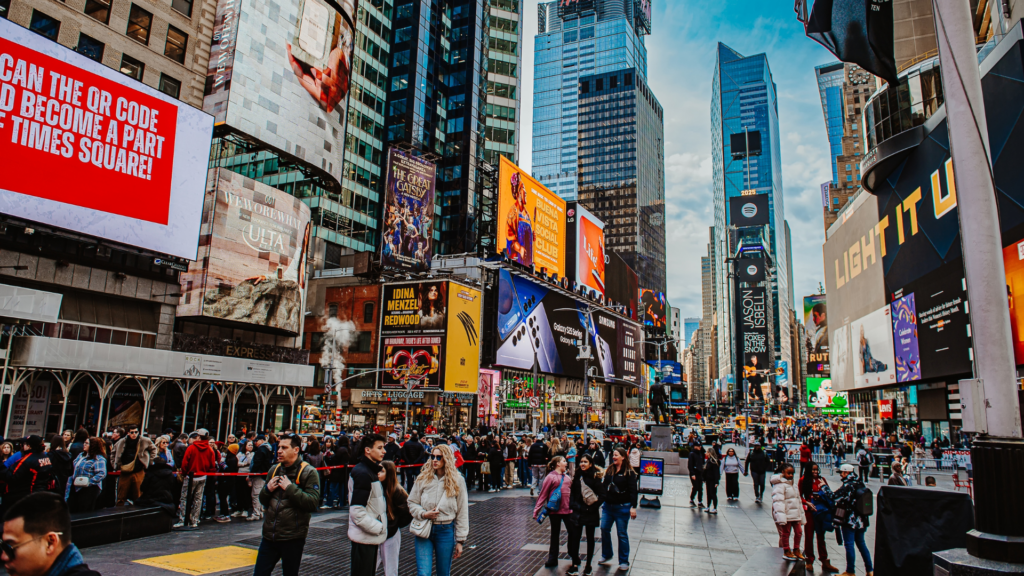
Beyond statistics, supporters point to growing optimism among residents and business owners who say they feel encouraged by the city’s direction. Increased foot traffic in commercial districts, strong transit usage, and continued economic activity have all contributed to a perception that New York remains resilient and attractive despite ongoing challenges facing major urban centers.
Community leaders have also highlighted the importance of collaboration between local organizations, neighborhood groups, and city agencies. Many believe that long-term public safety depends on creating strong communities where residents feel invested in their neighborhoods and connected to local resources.
While experts caution that crime trends can fluctuate over time and are influenced by numerous factors, the current data has provided a welcome source of optimism for a city that often finds itself at the center of national debates about urban policy and quality of life.
A Promising Sign For New York’s Future
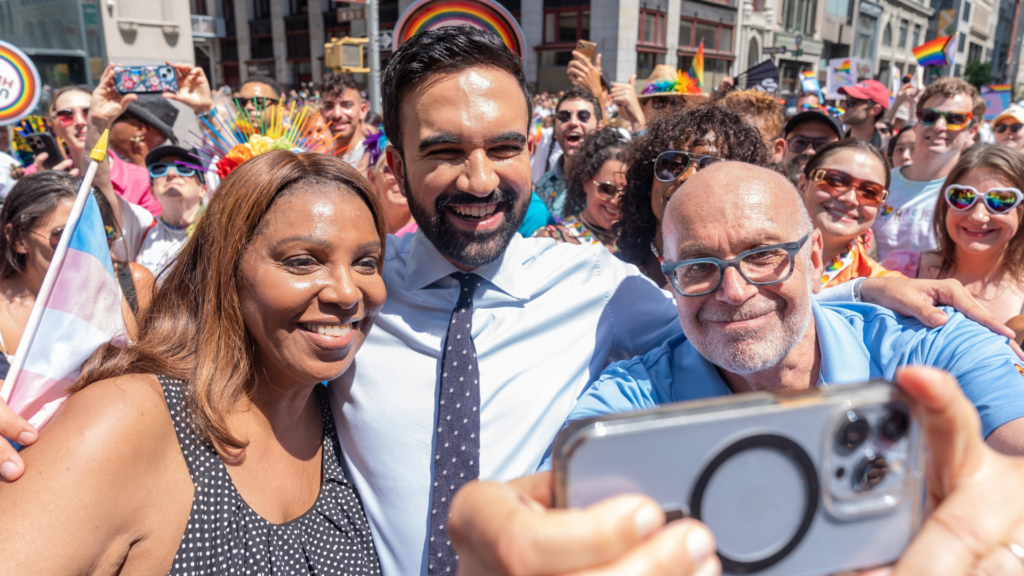
The reported record-low crime levels have become an early achievement for the Mamdani administration and a key part of its argument that investing in communities can produce meaningful results. Supporters view the numbers as evidence that a city can pursue progressive priorities while also delivering improvements in public safety and overall quality of life.
City officials have stressed that maintaining positive trends will require continued attention, investment, and cooperation among government agencies, community organizations, businesses, and residents. They argue that long-term success depends on building on current progress rather than assuming improvements will automatically continue.
Ultimately, the first six months of Mamdani’s tenure have given supporters reason for optimism and provided an encouraging snapshot of where New York City may be headed. Whether the trend holds over the longer term remains to be seen, but for now, the administration is pointing to the results as proof that its leadership approach is beginning to deliver measurable benefits for the city.