


Products are selected by our editors, we may earn commission from links on this page.

You may recognize it instantly: a faint, musty scent associated with an older relative, an aging home, or even old clothing. It turns out the smell is more than a stereotype. Scientists have linked it to chemical changes that occur in our skin as we age. One compound in particular becomes increasingly important after about age 40, and nearly everyone could eventually produce it.
This article was created with the assistance of AI and reviewed by our editorial team for accuracy and clarity.
Scientists Have a Name for the Scent: 2-Nonenal
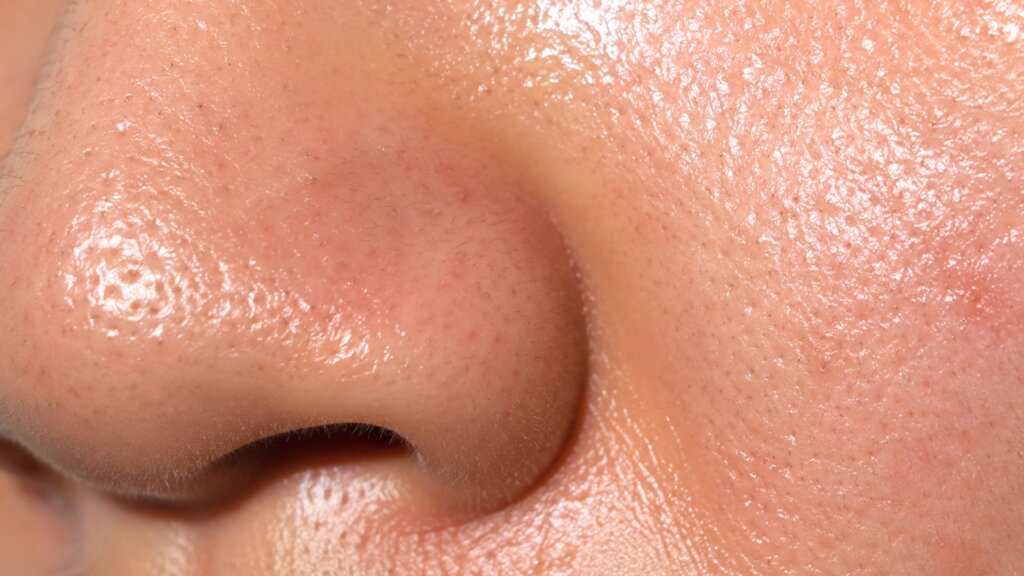
The compound behind much of this distinctive scent is called 2-nonenal, an aldehyde produced through chemical reactions involving the skin’s oils. Researchers have found that its production tends to increase with age. Dermatologist Dr. Delphine J. Lee explained that aldehydes can have very different aromas. Cinnamaldehyde, for example, helps give cinnamon its recognizable scent. 2-nonenal has a much different calling card.
Changes in Aging Skin Give 2-Nonenal a Chance to Build Up
Several changes happen simultaneously as skin gets older. Antioxidant defenses decline, the makeup of sebum shifts, and decades of ultraviolet light and environmental exposure contribute to oxidative damage. According to dermatologist Dr. Sonal Choudhary, these processes create conditions that allow 2-nonenal to become more noticeable. The transformation happens slowly, which helps explain why there is no single birthday when someone suddenly develops the scent.
The Change Can Begin After 40, but Everyone Ages Differently

Measurable increases in 2-nonenal generally begin after age 40, Choudhary said, with accumulation becoming more noticeable during a person’s 50s and beyond. Genetics, skin type, lifestyle and environmental exposure can all influence how strongly the scent develops. Research has detected the characteristic grassy or greasy odor in older men and women, suggesting that producing some 2-nonenal is a common part of aging.
Your Own Brain May Stop Telling You the Smell Is There
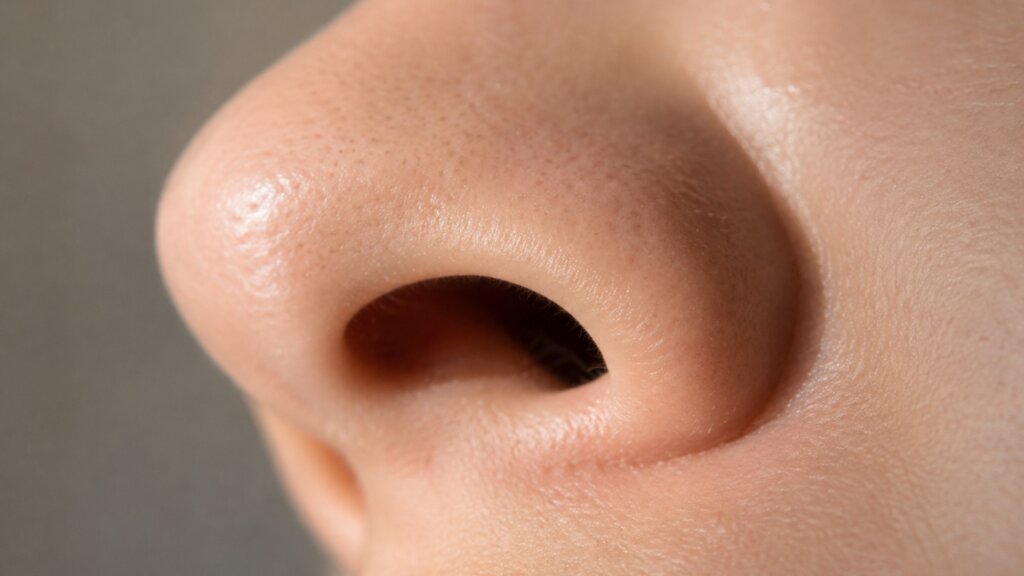
Someone producing the scent might be among the last people to notice it. Because 2-nonenal develops gradually, the brain can become accustomed to the smell through olfactory adaptation, sometimes called “nose blindness.” The same phenomenon explains why you immediately notice the distinctive scent of someone else’s home but barely register your own. Your brain constantly decides which smells deserve attention, and familiar ones can fade quietly into the background.
A Shower May Remove Some of It, but the Molecule Is Stubborn

Ordinary sweat can usually be washed away fairly easily. 2-nonenal presents a tougher problem because it clings to skin and fabrics. Danielle Reed, chief science officer at the Monell Chemical Senses Center, described the molecule as particularly “sticky.” Bathing can remove some of it, but the body continues producing more. That persistence helps explain why simply showering more often does not necessarily make the age-related scent disappear.
Persimmon Soap Has a Theory Behind It, but Evidence Is Limited
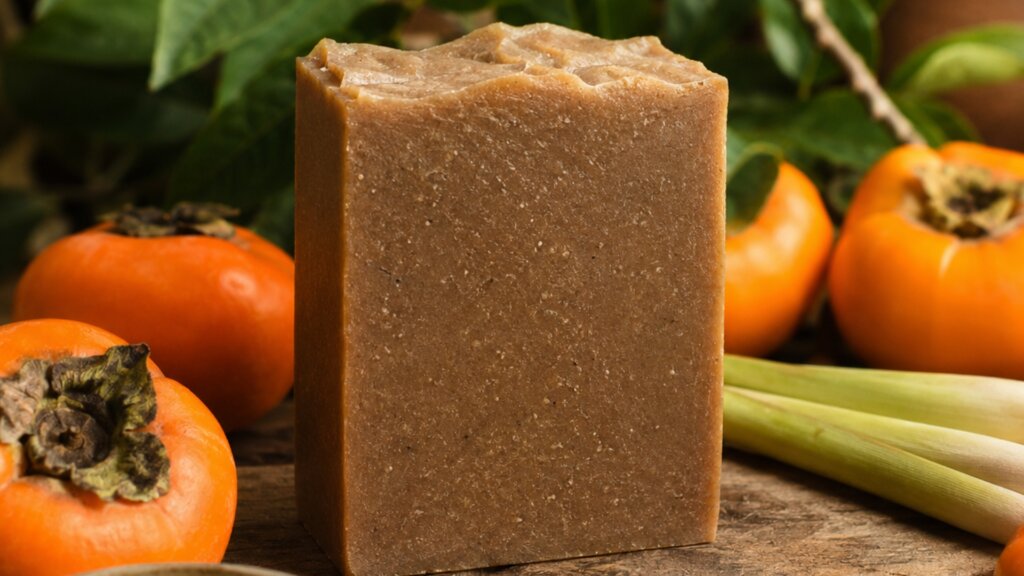
Some approaches may help reduce how long the odor lingers. Dermatologist Dr. Naana Boakye pointed to antioxidant-based cleansers and ingredients such as tannins, which can bind aldehydes. Persimmon soap contains tannins and has a long history of use for this purpose, although large randomized trials supporting it are lacking. Researchers are also investigating other compounds, but the evidence remains far from a proven solution.
Eggplant and Mushroom Extracts Have Also Caught Researchers’ Attention

Scientists have explored some unexpected possibilities. Recent research found that parts of the eggplant plant and one of its active ingredients showed 2-nonenal-scavenging activity, although human clinical evidence remains limited. An older study also reported promising findings involving white button mushroom extract and body odor among adults ages 50 to 79. Neither approach has produced the large clinical trials needed to establish a reliable treatment.
Scientists Still Do Not Have a Sure-Fire Way to Eliminate It
Despite the cleansers, extracts and other ideas being studied, experts say there is currently no proven method that completely eliminates age-related 2-nonenal production. The good news is that the scent does not mean someone has poor hygiene. Choudhary described it as a normal biochemical change associated with aging skin, comparable to changes such as dryness and wrinkles. Skin care and proper laundering may help minimize it, even if they cannot stop aging itself.
“Old Person Smell” May Say More About Aging Than Cleanliness

Science supports the existence of an age-related scent, but the way we judge it is far more subjective. Some people find 2-nonenal unpleasant, while others may barely mind it. Reed pointed out that society celebrates certain natural scents, such as the smell of babies, while stigmatizing others. Ultimately, changes in body odor belong to the same biological aging process that brings wrinkles, dryness and countless other physical changes over a lifetime.