

Products are selected by our editors, we may earn commission from links on this page.
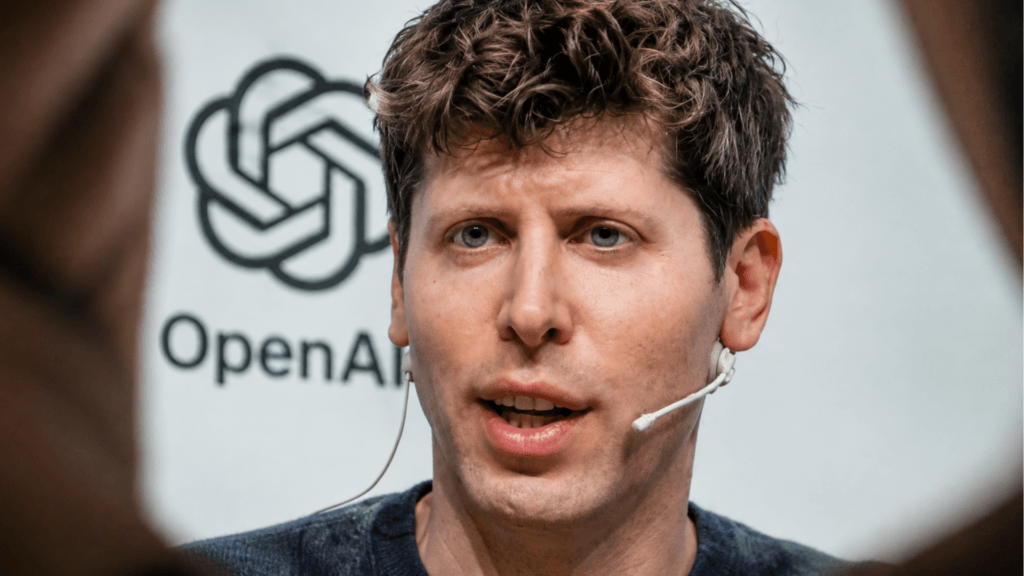
Sam Altman thinks you will secretly love working more hours once AI takes over. Most people reading that sentence just made a face. The OpenAI CEO says American workers should not expect a lighter schedule in what he calls a post-superintelligence world. He actually believes working more is a good thing. Not everyone hearing that prediction is convinced he has thought it all the way through.
The Four-Hour Workweek Never Showed Up. Altman Doesn’t Expect AI to Change That.

Technology has promised shorter workweeks for decades without ever really delivering on that promise. Altman pointed out that society never actually got the mass-scale four-hour workweek that tech once seemed to guarantee. He does not expect artificial intelligence to break that same pattern now. If history is any guide, according to Altman, AI will not hand people more free time either.
His Argument Is About Human Nature, Not Just Economics

Altman’s reasoning goes beyond simple economics into something closer to human nature itself. He argues people would not actually be satisfied with less work, since humans are constantly driven to create and compare themselves to others. As AI raises what people are capable of doing, he believes that same boost in capability will fuel an even stronger desire to keep doing more, not less.
Not Every Tech CEO Sees the Future the Same Way
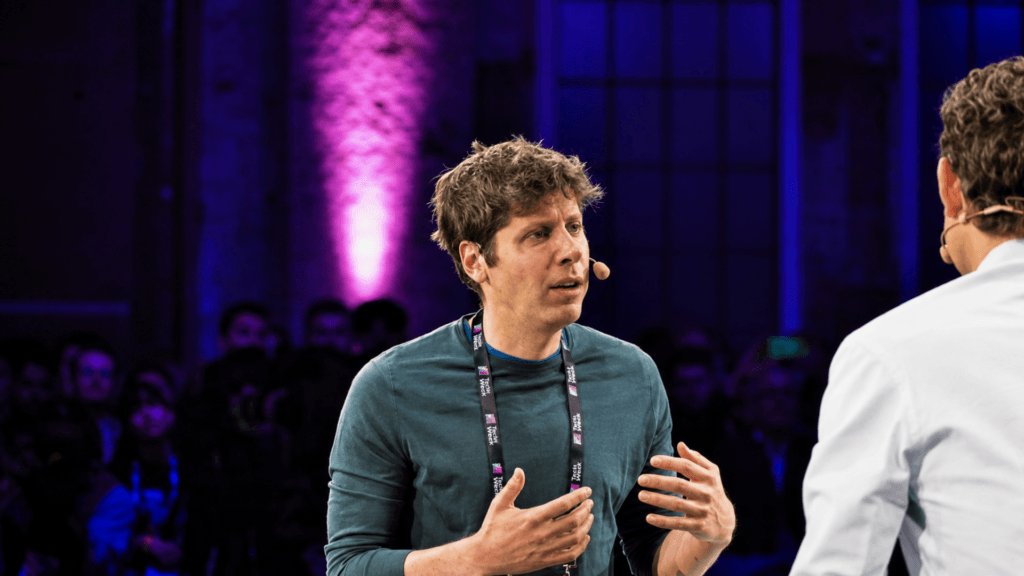
Not every tech executive shares Altman’s outlook on the future of work. Ari Emanuel, former CEO of the entertainment company Endeavor, predicted back in October 2025 that the average workweek could actually shrink to just three days. His reasoning centered on AI-driven productivity creating genuine free time for workers, a conclusion that lands almost exactly opposite to where Altman ends up.
The Internet Reacted Fast, and Not Kindly

Reactions online moved fast once Altman’s comments started circulating. A discussion thread on the technology-focused corner of Reddit filled up quickly with skeptical responses questioning his logic. Many commenters pushed back specifically against the idea that busier automatically means happier. The gap between how a tech CEO frames the future and how everyday workers actually experience it became obvious almost immediately.
“Secretly We’re Going to Be Happy,” Altman Predicts
Altman did not shy away from predicting how workers will actually feel about a busier future. According to Altman, “we’re still going to complain about it, but secretly we’re going to be happy.” That framing treats complaints about overwork as a kind of surface-level ritual, masking what he sees as genuine underlying satisfaction. Not everyone listening found that explanation especially convincing.
“Is This His First Day on Earth?” One Reply Asked
One response captured the public skepticism better than most. A Reddit comment that gathered more than 10,000 upvotes read, “busy and working are separate things. Is this his first day on Earth?” That blunt reaction drew a clear line between staying occupied and actually enjoying more hours on the job. For many readers, that distinction mattered a lot more than Altman’s optimism did.
Hours Worked Aren’t Even Workers’ Only Worry

Hours on the clock are not the only worry workers have about AI right now. Rapid data center expansion tied to AI growth has raised real concerns about harm to endangered species in several regions, according to a recent map of affected areas. Western states are also grappling with water scarcity as data centers get built near already shrinking lakes. Free time is just one item on a much longer list of concerns.
“You Can Get Faster Without Getting Better,” a CEO Warns
Skill erosion worries workers just as much as longer hours do. Rick Veldran, CEO of the software company GoTo, told Newsweek that AI adoption is reaching a real turning point as employees worry about losing sharpness in their own abilities. According to Veldran, “you can get faster without getting better.” That warning separates raw productivity gains from actual skill and judgment, two things that do not automatically improve together.
Two Very Different Visions of the AI Future
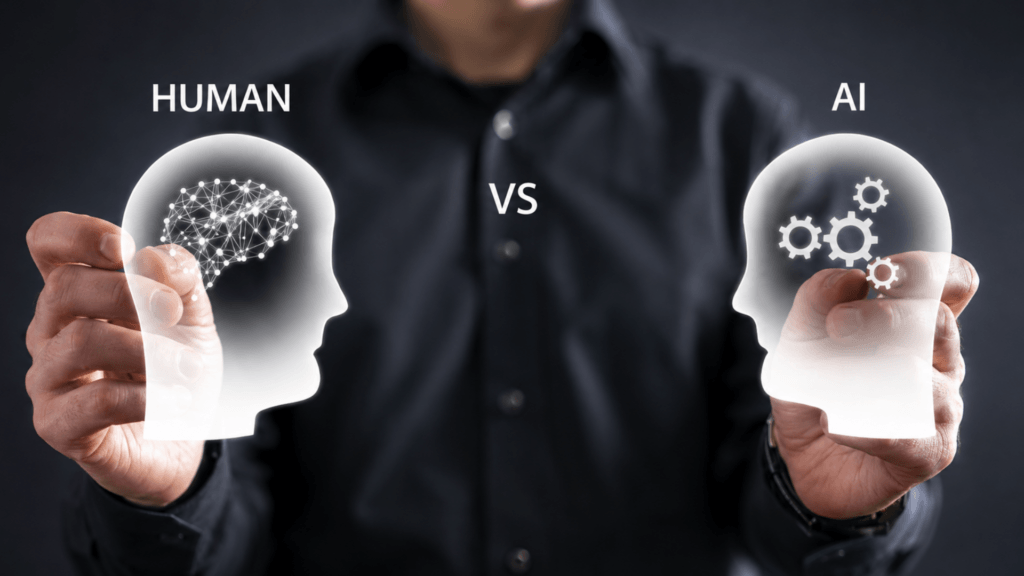
Two very different visions of the AI-powered future are now sitting side by side in public view. One imagines workers secretly thriving under busier schedules. The other worries about eroding skills, strained water supplies, and a happiness that never quite arrives no matter how busy people become. Whether Altman’s version of contentment shows up as promised is a question only time, and a lot of tired workers, will actually answer.