

Products are selected by our editors, we may earn commission from links on this page.
At 6 a.m. on a Tuesday, thousands of Oracle employees opened their phones to find their jobs had already ended. A single email, signed “Oracle Leadership,” informed workers that their roles had been eliminated effective immediately. The message gave no prior warning from managers or HR, and offered no transition period. It is one of the most abrupt mass layoffs in recent corporate memory, and it raises serious questions about how companies treat workers during an AI-driven restructuring.
The email was blunt and procedural. Workers were told: “Today is your last working day.” Access to company systems, including internal files and email, was cut within hours. Severance documents were to arrive via DocuSign, and employees were asked to submit personal email addresses just to receive them. Any unvested stock grants were forfeited on the spot, with no room for negotiation or appeal. The speed of the process left many workers with almost no time to process what had happened.
The scale of the cuts is staggering. Between 20,000 and 30,000 employees, roughly 18% of Oracle’s global workforce of 162,000, are believed to have been let go in this single wave. The hardest-hit divisions include Revenue, Health Sciences, and SaaS operations, each reportedly losing around 30% of their staff. As the full picture comes into focus, the reason behind such a sweeping move at a highly profitable company becomes the central question worth examining.
The AI Bet Behind the Pink Slips
Oracle reported a 95% jump in net income last quarter, reaching $6.13 billion. The layoffs are a strategic reallocation, a decision to redirect the company’s resources toward artificial intelligence infrastructure at scale. The job cuts are expected to free up between $8 billion and $10 billion in cash flow, capital that Oracle intends to pour into a costly transformation of its core business model. The workforce reduction is the financial mechanism making that pivot possible.
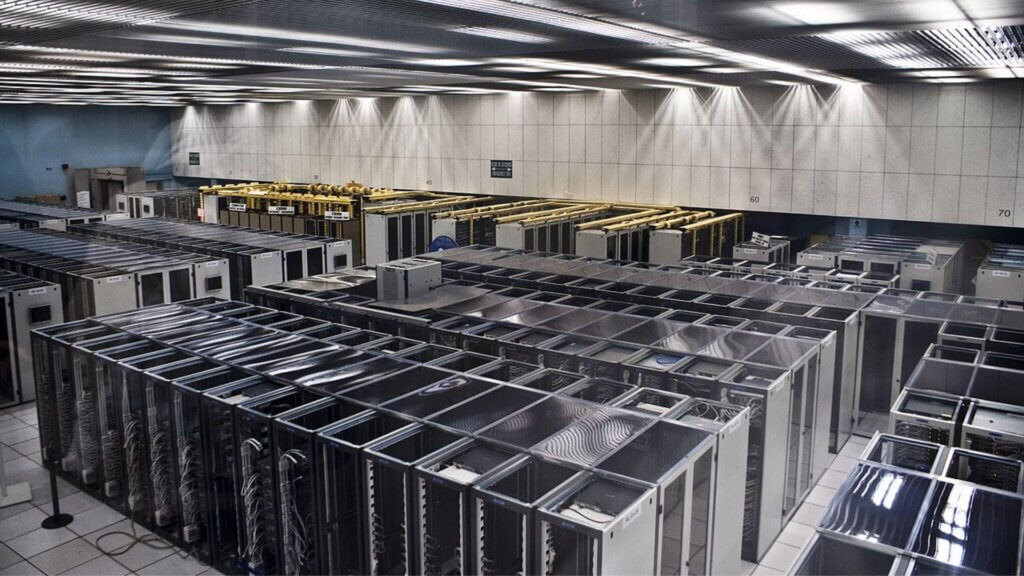
That transformation carries an eye-watering price tag. Oracle has taken on $58 billion in new debt over just two months, channeling substantial capital into AI-focused data centers. The company is racing to position itself as a major player in AI infrastructure, competing with cloud giants that have already built significant leads. The billions being spent on that ambition required funding from somewhere, and for tens of thousands of employees, that calculation ended their careers without warning.
Investors remain cautious despite Oracle’s record profits. The company’s stock has fallen more than half from its peak in September 2025, reflecting unease even as earnings climb. Rising profits and massive debt send different signals, and the market appears to be weighing them carefully. For Oracle’s workers, the financial strategy feels distant. What is immediate is the shock of a single email erasing years of employment, and that gap between corporate ambition and human cost is where the real story lives.
The Human Cost of a Corporate Pivot

Workers described logging on to find their system access already revoked before they had even finished reading the email. Accounts shared on Reddit, X, and LinkedIn paint a consistent picture: people had no chance to prepare, save key documents, or say goodbye to colleagues. The suddenness of the process stripped employees of any ability to respond. For many, the experience felt less like a structured business decision and more like a door being quietly locked behind them.
The legal picture adds another layer of complexity. In Washington state, Oracle filed a WARN Act notice disclosing 491 layoffs in Seattle, effective June 1. The WARN Act typically requires 60 days of advance notice before large-scale job cuts. Yet the broader wave of terminations appears to have taken effect immediately, raising questions about whether all affected employees received the protections that labor law is designed to provide. Oracle described the cuts as part of a broader “reduction in force,” while noting that its Seattle offices would remain open.
Oracle has declined to comment publicly on the overall scale of the layoffs, leaving a vacuum that employee accounts online have rushed to fill. The company’s Israel workforce of roughly 500 people remains in a state of uncertainty, with no indication of whether those roles are included in the cuts. For workers still waiting to find out, the ambiguity carries its own weight. The uneven flow of information throughout this process has compounded the shock felt by employees across multiple countries and divisions.
What This Moment Reveals About the Future of Work
Oracle’s layoffs are part of a broader pattern playing out across the technology industry, where companies are reallocating resources from human labor toward AI systems at an accelerating pace. What makes this case distinctive is the method: a single, impersonal email delivered at dawn, offering no dialogue and no prior warning. It reflects a corporate calculus in which speed and cost efficiency shape decisions that affect tens of thousands of lives, often before those people have had their morning coffee.
The financial logic is straightforward enough. Freeing up $8 billion to $10 billion in cash flow while taking on $58 billion in new debt is a high-stakes wager on AI becoming the dominant revenue driver within the next few years. If Oracle is right, the restructuring may look prescient in hindsight. If the AI buildout takes longer than expected or fails to generate the projected returns, the company will have shed a significant portion of its experienced workforce for a bet that did not land on schedule.
What lingers after this story is the manner of the layoffs as much as the scale. The email. The immediate system lockout. The silence from leadership. These details matter because they set a precedent that other corporations will observe closely. The labor market is already shifting under the weight of AI investment, and the terms of that shift are still being written. Who gets a say in writing them, and how much protection workers can expect during that process, are questions that will define the next decade of work.