

Products are selected by our editors, we may earn commission from links on this page.
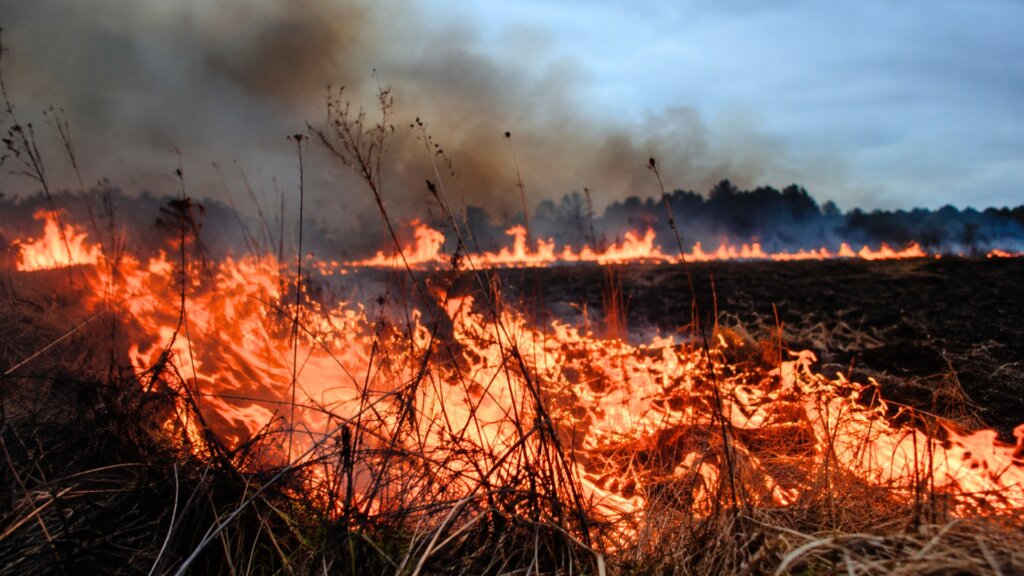
Nine U.S. senators are demanding the federal government answer a question the gambling industry has largely dodged: what happens when people can profit from the size of a wildfire while it’s still burning. The senators, led by Oregon’s Jeff Merkley and Ron Wyden, sent a formal letter to the Commodity Futures Trading Commission on August 3, warning that betting on active wildfires creates a financial incentive for the exact kind of destruction firefighters are racing to stop.
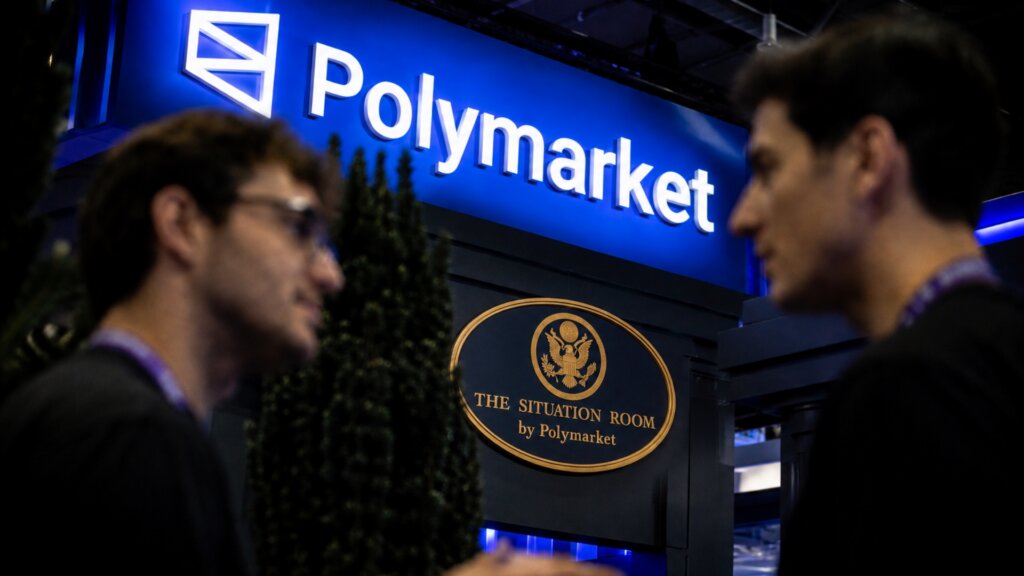
The trigger for the letter was Polymarket, the largest prediction market platform in the world. According to reporting from CNN, the site accepted more than $1.2 million in wagers on the Palisades and Eaton fires in January 2025, disasters that killed 31 people and destroyed over 16,000 structures across Southern California. Now, with Oregon’s own fire season already setting records, senators say the same model is spreading closer to home.
In their letter to CFTC Chair Michael Selig, the senators didn’t mince words. “Offering bets on destructive wildfires threatens to minimize communities’ suffering all so the rich and powerful can profit,” they wrote, adding that state and local fire officials have flagged a darker possibility: that someone holding a losing bet might decide to even the odds themselves.
This article was created with the assistance of AI and reviewed by our editorial team for accuracy and clarity.
Merkley Describes a Scenario Where Bettors Have a Reason to Set Fires Themselves
Senator Merkley laid out the scenario in blunt terms during a recent interview reported by KATU. He described a hypothetical wager on whether a fire would burn past 300,000 acres, then asked what happens to a bettor’s incentives once that number is in reach. “You suddenly have an incentive not to fight it, or to go light some adjacent fires,” he said, calling the entire premise “absolutely a horrible idea.”
The senators’ letter also names a newer platform built entirely around wildfire speculation, one that markets itself with the tagline “you can’t predict fire, but you can trade on it.” Unlike Polymarket, which offers contracts across countless topics, this site’s entire business model depends on disasters happening and continuing to grow, a structure critics say makes the incentive problem even harder to ignore.
Fire officials interviewed for the senators’ complaint raised a second worry beyond arson: that someone with money on a fire’s outcome could try to interfere with containment efforts already underway. The letter describes this as a risk of “insider trading” playing out in real time, with a financial stake potentially shaping decisions made by people with access to fire lines, equipment, or evacuation information.
A Similar Manipulation Scheme Has Already Played Out on a Different Kind of Bet
One incident regulators point to as proof the risk isn’t abstract involved a weather-related prediction contract, not a wildfire. A trader reportedly manipulated hardware conditions to turn a $119 stake into $21,398 before the account was deleted and police opened an investigation. The tactic didn’t involve setting anything on fire, but it showed people are already willing to manipulate real-world conditions to win a bet.
Polymarket has pushed back on the criticism. In a statement, the company argued that removing the markets does not prevent a tragedy, and only makes timely, market-based information less accessible to people trying to understand what may happen next, according to Insurance Journal. The company framed itself as filling the same role news outlets do during a crisis, just with real money attached to the predictions.
Merkley isn’t only pressing the CFTC. According to the Daily Tidings, he has also introduced the End Prediction Market Corruption Act, aimed at barring the President, Vice President, members of Congress, and other public officials from trading event contracts. Whether that bill gains traction is uncertain, but it signals how seriously lawmakers are treating the broader prediction market boom.
The CFTC Has Until August 14 to Answer Four Direct Questions
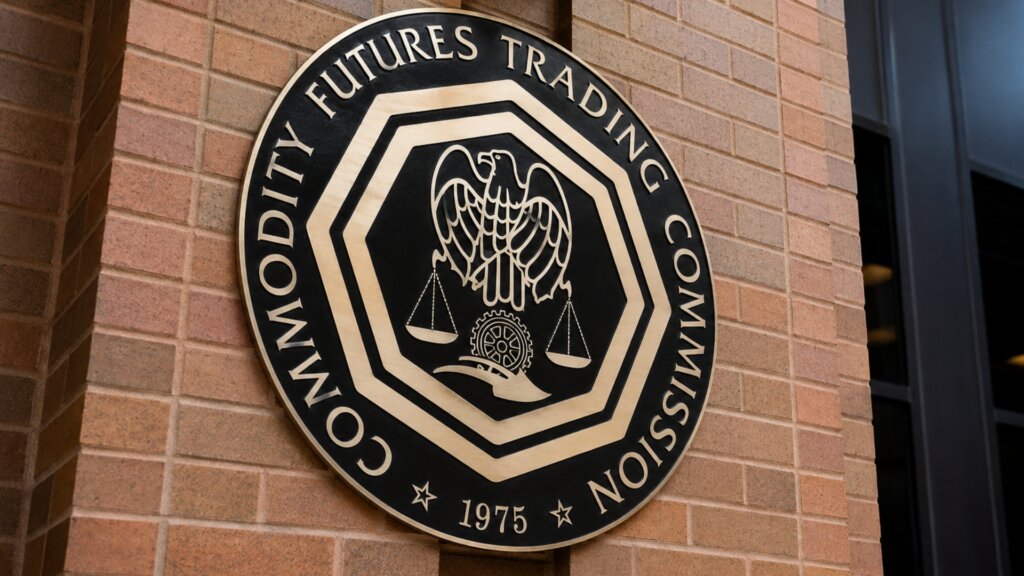
The senators gave the CFTC a hard deadline: August 14, 2026, to answer four specific questions in writing. They want to know whether the agency is considering banning wildfire event contracts outright, whether it plans to curb offshore platforms operating beyond U.S. jurisdiction, and whether it believes contracts tracking a fire’s size or duration serve the public interest at all.
The list of signatories reaches well beyond Oregon. Senators Ron Wyden, Alex Padilla, Adam Schiff, Jacky Rosen, Catherine Cortez Masto, Martin Heinrich, Amy Klobuchar and Jeanne Shaheen all added their names, representing states that have faced their own wildfire seasons in recent years. Klobuchar’s involvement carries particular weight, since she sits as the top Democrat on the Senate Agriculture Committee, the body that oversees the CFTC directly.
As of this week, the CFTC hadn’t responded publicly to the letter, and Polymarket has shown no sign of pulling its wildfire contracts. What the senators have made clear is that they consider betting on active disasters a policy failure hiding behind the language of information markets, and they intend to keep pressing regulators until an answer is on the record.