

Products are selected by our editors, we may earn commission from links on this page.

Certain ingredients in popular OTC antacids, especially those high in sodium or calcium, can strain the heart, particularly for people with underlying conditions. While these medications are safe when taken occasionally, relying on them too often could mask bigger issues or even trigger health problems.
Here’s what experts want you to know before reaching for the bottle.
Sodium Content Can Raise Blood Pressure

Some OTC antacids contain high levels of sodium bicarbonate, which can increase blood pressure and cause fluid retention. For individuals with hypertension or heart disease, that extra sodium load may add unnecessary strain on the cardiovascular system. Even people without diagnosed conditions may notice bloating or swelling from excess sodium intake.
Doctors recommend checking the label before purchasing antacids and opting for low-sodium alternatives when possible. Managing diet alongside occasional antacid use is a safer long-term approach.
Calcium Overload May Stress the Heart

Calcium carbonate antacids, such as chewable tablets, are widely used because they’re effective and inexpensive. However, overusing them can lead to excessive calcium levels in the blood, a condition known as hypercalcemia.
As noted by the Cleveland Clinic, taking too much calcium carbonate in the form of OTC antacids such as Tums or Rolaids is actually one of the more common temporary causes of hypercalcemia.
Symptoms include nausea, confusion, and, in more severe cases, irregular heart rhythms. While one or two tablets are generally safe, repeated or daily use without medical guidance raises the risk.
Doctors advise monitoring intake and avoiding treating antacids as a substitute for balanced meals.
Overuse Can Mask Bigger Health Problems

Heartburn and acid reflux are sometimes symptoms of a more serious condition, like gastroesophageal reflux disease (GERD) or ulcers.
Regularly relying on OTC antacids instead of seeking medical advice can delay diagnosis and treatment. This not only prolongs discomfort but also increases the likelihood of complications, some of which may affect the heart and digestive system.
If you find yourself using antacids more than a few times a week, experts say it’s best to consult a doctor.
Risks Are Higher for People With Heart Conditions

Doctors emphasize that individuals with existing heart disease, high blood pressure, or kidney problems face greater risks when using certain antacids.
Sodium and calcium imbalances can worsen their condition, potentially leading to shortness of breath, fluid buildup, or irregular heartbeat. Because heart patients often take other medications, interactions may also occur.
Healthcare providers encourage at-risk patients to discuss safe heartburn remedies in advance, instead of self-medicating with OTC options that could complicate their treatment.
Side Effects Can Mimic Heart Issues

One of the trickier problems with antacids is that side effects like chest pain, bloating, or irregular heartbeat can resemble symptoms of heart disease. This overlap makes it harder for patients to know when to seek urgent care.
Doctors warn that ignoring these signs may delay timely medical intervention. If antacid use coincides with chest discomfort, palpitations, or dizziness, experts recommend treating it as a red flag. It’s always safer to rule out heart problems quickly.
Safer Habits Can Reduce Reliance on Antacids

Instead of reaching for antacids every time discomfort strikes, doctors suggest lifestyle adjustments that can reduce heartburn episodes.
Eating smaller meals, avoiding late-night snacking, and limiting trigger foods like caffeine, alcohol, and spicy dishes can make a noticeable difference. Maintaining a healthy weight and elevating the head during sleep are also effective strategies.
While these changes require effort, they reduce dependency on medications that may carry risks. Antacids should be a short-term fix, not a daily solution.
Alternatives May Be More Suitable
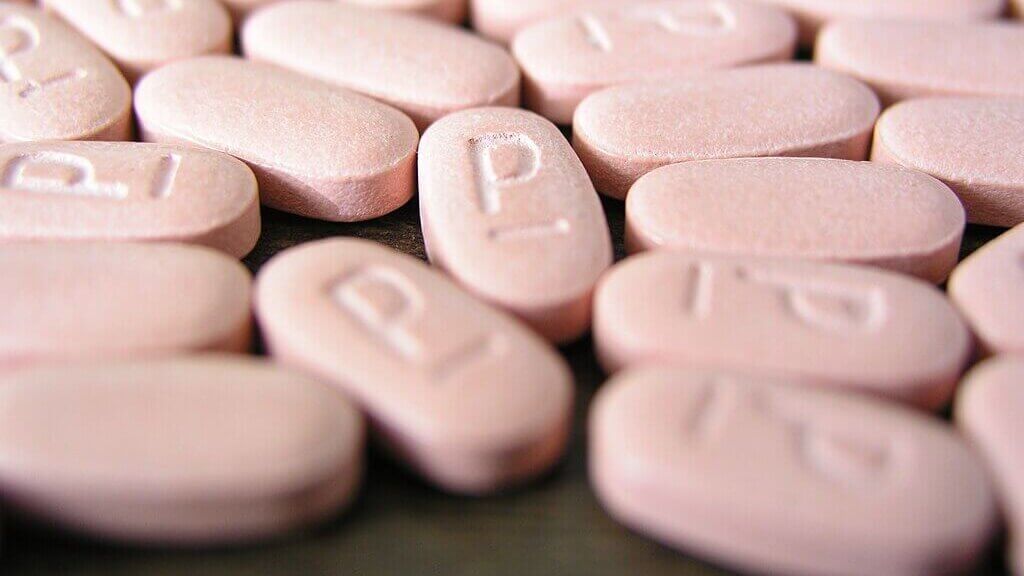
For those needing more consistent relief, other OTC options like H2 blockers or proton pump inhibitors (PPIs) may be safer when used appropriately. These medications work differently from simple antacids, targeting acid production rather than just neutralizing it. However, they also have limitations and should not be taken indefinitely without medical supervision.
A healthcare provider can help determine which option fits best, especially for people with heart conditions who need to avoid excess sodium or calcium.
When to See a Doctor

Frequent reliance on OTC antacids is a clear sign to seek medical advice. Doctors recommend making an appointment if symptoms occur more than twice a week, persist despite treatment, or are accompanied by chest pain, weight loss, or difficulty swallowing. These could indicate GERD, ulcers, or even more serious conditions.
Getting checked not only ensures proper treatment but also prevents hidden risks from worsening. A professional evaluation is the safest way forward for lasting relief.
A Caution, Not a Ban

Doctors aren’t telling people to throw away their antacids, but they do urge moderation and awareness. Taken occasionally, they’re generally safe. But when used frequently or in high doses, they can pose risks, especially for people with heart or kidney issues.
Paying attention to ingredients, adopting healthier habits, and consulting a doctor when symptoms persist can make all the difference. Relief from heartburn shouldn’t come at the expense of heart health.