

Products are selected by our editors, we may earn commission from links on this page.

The transaction closed on a Tuesday, and the combined business took the name Skydance. Warner Bros. Discovery shareholders receive the cash equivalent of roughly $31 per share, according to the company.
That single purchase puts the studio behind “The Godfather” and the studio behind the “Harry Potter” films under one owner. It also places CBS News and CNN inside the same corporate structure, along with Comedy Central, Nickelodeon, TBS, TNT, Paramount+ and HBO Max. David Ellison, who ran Paramount Skydance and drove the deal, becomes a co-chief executive. Ynon Kreiz, formerly chief executive of the toy company Mattel, takes the other co-chief executive seat.
This article was created with the assistance of AI and reviewed by our editorial team for accuracy and clarity.
Two competing news networks now share one owner
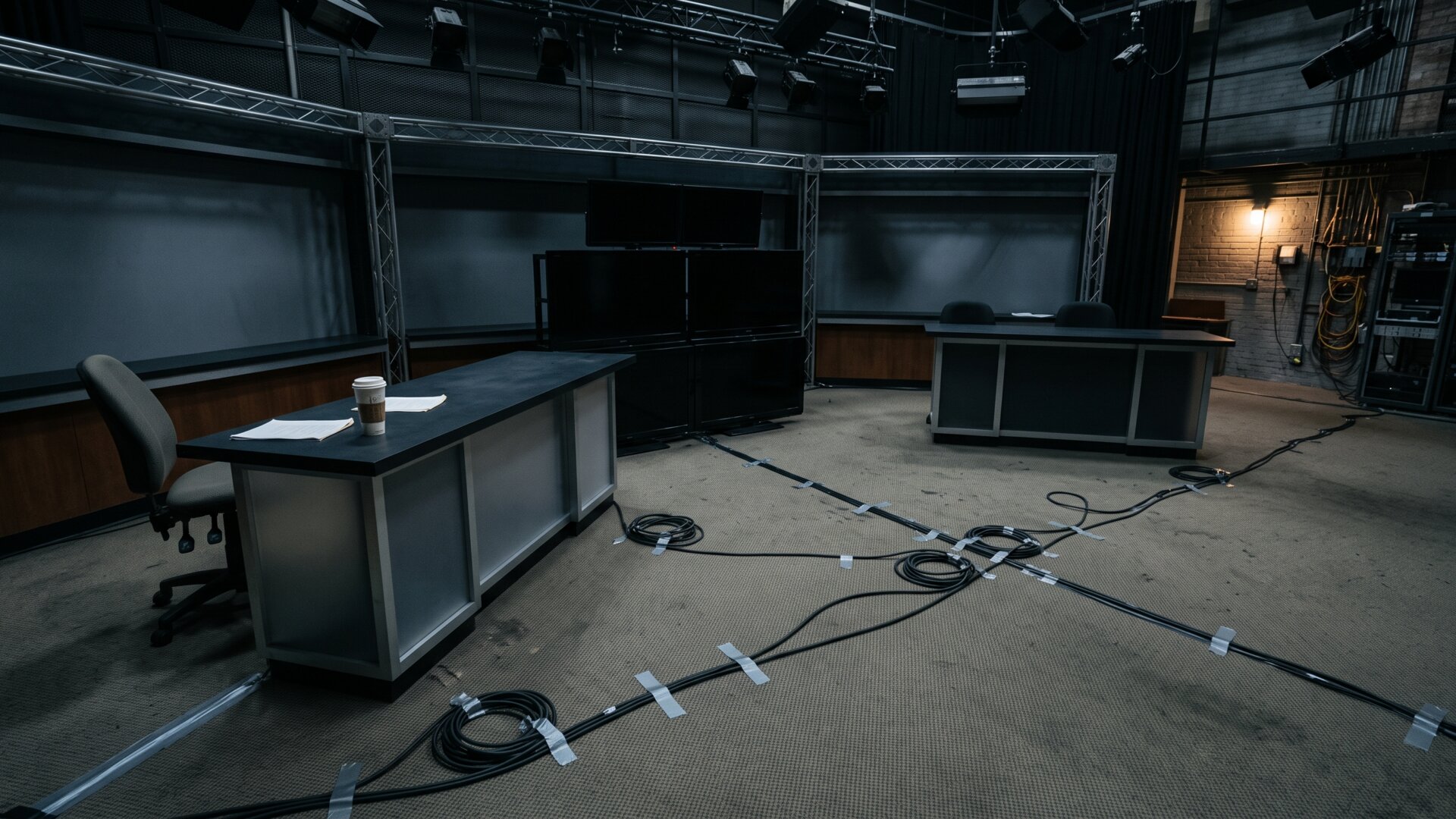
Most mergers of this size combine businesses that do similar work in different places. This one combines two outlets that compete directly for the same audience on the same nights.
CBS News and CNN have operated as rivals for decades. Under the completed deal they sit inside one company, reporting up to the same two executives. That arrangement is the reason the settlement with state attorneys general included a provision about newsroom governance rather than only about studios and screens. California Attorney General Rob Bonta’s office said Paramount agreed to set up an editorial board intended to help CNN and CBS maintain editorial independence. The board is a condition of the settlement, not a voluntary gesture.
The deal cleared only after two lawsuits were settled

A coalition of 12 state attorneys general sued in July to block the transaction on antitrust grounds. The Writers Guild of America filed a separate suit on the same grounds.
Neither case went to a verdict. Paramount settled with the states first, and the Writers Guild agreed to settle its own suit after that agreement was reached. The settlement terms are what allowed the closing to proceed. Antitrust challenges to media mergers usually turn on whether the buyer gains enough control over a market to raise prices or shut out competitors, and the remedy is often a set of binding commitments rather than a flat yes or no. That is the shape this one took.
$6 billion in savings against a combined payroll

Ellison and Kreiz said the company is targeting $6 billion in cost savings. That figure is the number people inside the industry fixed on, and the reason is arithmetic rather than speculation.
Cost savings in a media merger come from a short list of places: duplicated corporate functions, overlapping technology contracts, consolidated real estate, and headcount. Two companies that each ran a full finance department, a full human resources department, a full legal team and a full streaming engineering group now need one of each. The co-chief executives addressed the consequence directly in their email to employees, writing that integrating two companies will bring change, including difficult decisions that affect our workforce.
Ynon Kreiz ran a toy company before this one

David Ellison’s path to the top of a studio conglomerate is the more familiar one. He founded Skydance, produced films through it, then took over Paramount and used that position to pursue Warner Bros. Discovery.
His counterpart arrives from a different corner of entertainment. Ynon Kreiz was chief executive of Mattel, the company that makes Barbie and Hot Wheels. Mattel’s recent strategy involved turning its toy properties into films and shows rather than only selling plastic, which puts Kreiz in the business of licensing characters across formats. The new company owns a very large number of characters. Two people now hold the chief executive title at Skydance, splitting a job that is usually held by one.
Check which service your subscription now sits inside

Paramount+ and HBO Max are both owned by Skydance as of the closing. Nothing in the announcement said they merge, and separate services with separate prices can run side by side under one owner for years.
Still, the practical question for a household is whether it is paying twice into the same company. Pull up the billing section of each account and note the renewal date and the monthly charge. If the two services later combine, or if one absorbs the other’s library, the announcement will arrive as a pricing change rather than a press release. The same check applies to cable packages carrying Comedy Central, Nickelodeon, TBS and TNT, which are now commonly owned.
A closed deal is the start of integration, not the end

The common assumption is that the signing is the hard part and the rest is paperwork. Mergers of this scale invert that. Closing establishes ownership; everything that readers actually notice happens afterward.
The $6 billion savings target has to be found department by department. Overlapping cable networks have to be positioned against each other or folded together. Two streaming libraries have to be licensed, catalogued and possibly merged. The settlement obligations have to be implemented, staffed and monitored. Ellison and Kreiz told employees the goal is a stronger competitor, one with the scale to take on the biggest players in our industry. Scale is a description of the balance sheet, not of the work remaining.
The Los Angeles studio lots are locked for five years

Most merger settlements regulate prices, market share or data. This one regulates dirt. Under the settlement agreement, Paramount is barred from selling or closing the Paramount or Warner Bros. studio lots in Los Angeles for at least five years.
Studio lots are physical production campuses with sound stages, backlots, post-production facilities and standing crews. They sit on valuable Los Angeles land, which makes them a standing temptation for an owner looking to raise cash. The five-year restriction exists because the attorneys general treated the lots as employment infrastructure rather than as real estate. A second commitment runs alongside it: Paramount pledged to produce 30 films in each of the first two years after the merger.
What the California attorney general’s office secured
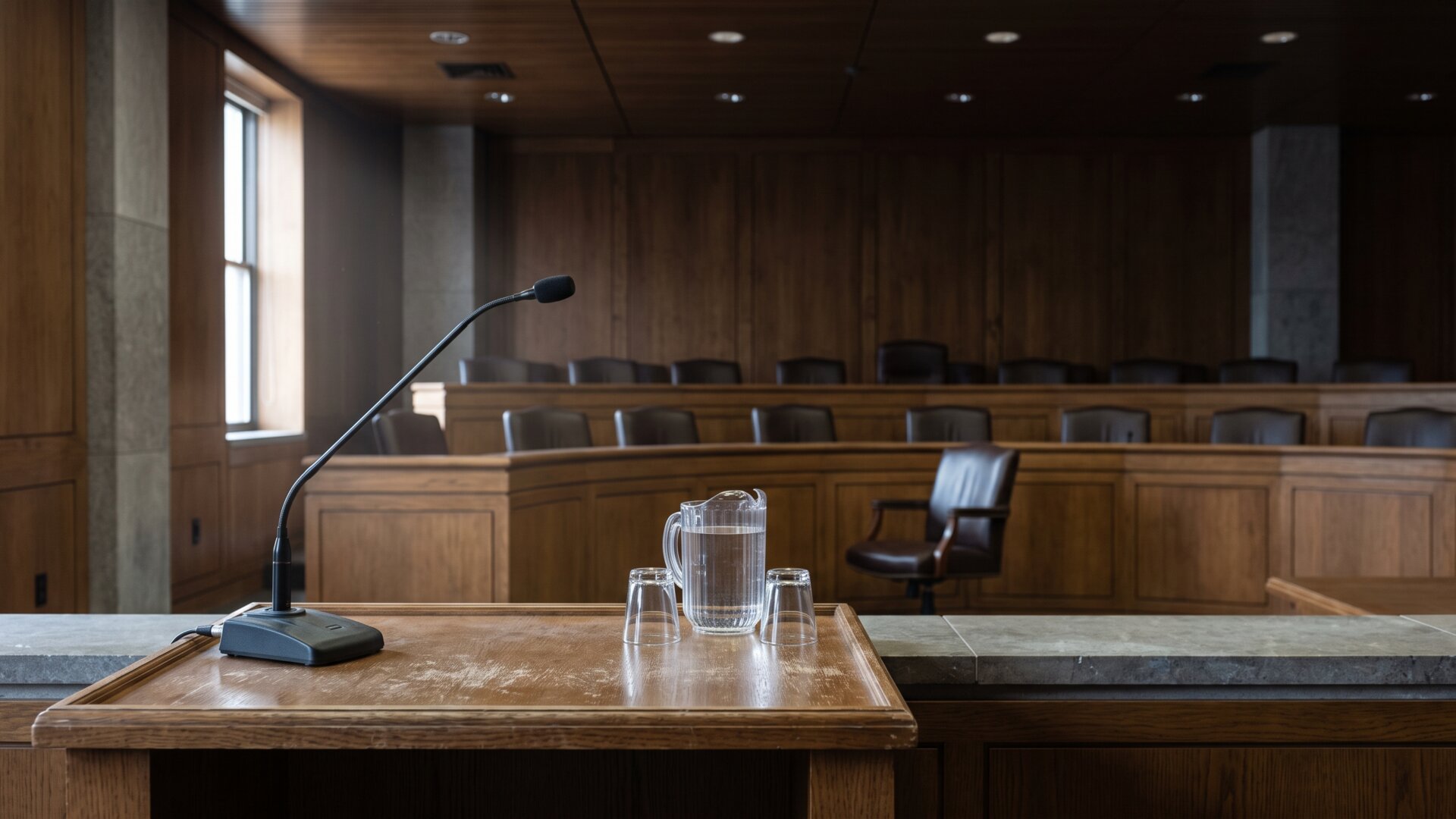
Rob Bonta is the attorney general of California, the state where both studio lots sit and where a large share of the affected workforce lives. His office described the editorial board commitment in its own terms, saying the body is meant to help CNN and CBS maintain editorial independence.
State attorneys general have standing to bring antitrust claims and routinely use settlements to attach conditions that a federal review might not produce. Here the conditions cluster around three things the states could measure: a film output floor, a property freeze, and a governance structure for the two newsrooms. What the editorial board’s membership, authority and reporting line will be was not detailed in the closing announcements.
One company now owns both “The Godfather” and “Harry Potter”

Those two titles belonged to competing studios for the entire time either franchise existed. Paramount released “The Godfather.” Warner Bros. released the “Harry Potter” films. The $110 billion transaction placed both libraries under a single owner for the first time.
That is the clearest measure of what changed. Not the streaming apps, not the cable channels, but the catalogue underneath them. Ellison called the closing a historic day, not just for Skydance but for our entire industry, in a statement issued by the company.
If you want to track what happens next, the two dates that matter are the end of the first year of the 30-film commitment and the five-year mark on the studio lot restriction.