


Products are selected by our editors, we may earn commission from links on this page.

The final phase of life is a significant chapter, filled with the opportunity for deep reflection and understanding. For families and caregivers, grasping the physical changes that occur can bring comfort and dispel the fear of the unknown.
For those approaching this stage, knowledge can inspire peace, acceptance, and dignity. While no two journeys are identical, many shared changes arise as the body gracefully slows down and prepares for rest.
Here are ten common physical changes a person may experience before their final breath, based on information from the NHS.UK, Kokamau.org, and Hospice Foundation of America.
Breathing Changes
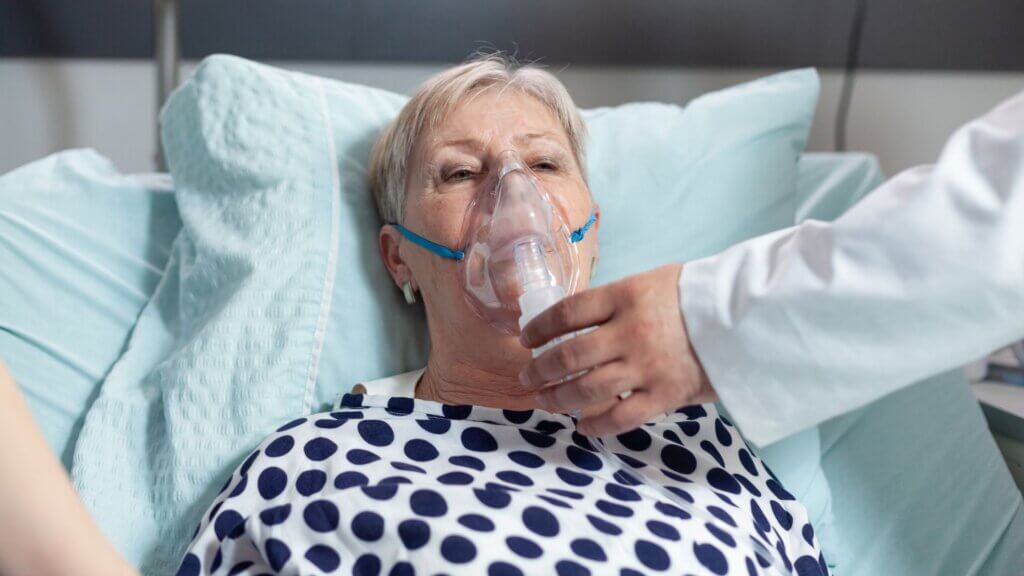
Breathing often becomes less regular in the final phase, with shallow or uneven rhythms and pauses between breaths. Secretions in the throat or lungs may create a distinctive “death rattle,” a sound that can be unsettling for loved ones but is generally not uncomfortable for the person experiencing it. These changes reflect the body’s gradual slowing and should be seen as part of the natural transition.
Reduced Appetite and Thirst

As the body’s systems begin to shut down, energy needs decrease, and eating or drinking becomes less important. This change can be difficult for families, who may feel compelled to encourage food or fluids, but it is both normal and natural. Instead of focusing on nutrition, comfort measures like moistening the mouth or offering ice chips can provide relief.
Greater Fatigue and Sleep

Fatigue grows more pronounced, with individuals spending most of their time resting or slipping in and out of sleep. This increased drowsiness is the body’s way of conserving energy for essential functions. While it can feel like withdrawal, it is a gentle step in the natural process of letting go.
Changes in Skin Appearance

Circulation begins to slow, redirecting blood flow to vital organs. As a result, skin may cool and take on a pale, bluish, or mottled appearance, particularly in the hands and feet. These visible changes often happen in the final days or hours and are a sign that the body is entering its last stage.
Loss of Bowel and Bladder Control

Weakened muscles in the final stage can cause a loss of control over bowel and bladder function. Though this may feel distressing, it is a natural and expected part of the body’s decline. With the right support and supplies, caregivers can ensure comfort and dignity during this time.
Restlessness or Confusion

Some people may experience agitation, restlessness, or moments of confusion as the body’s oxygen and chemical balance shifts. They may reach for unseen objects, speak to people not present, or appear unsettled. Gentle reassurance, soothing touch, and a calm environment can ease this phase for both the person and their loved ones.
Slower Pulse and Blood Pressure

The heartbeat often becomes weaker and more irregular, and blood pressure gradually decreases. These subtle signs reflect the heart’s reduced capacity as life nears its end. Families may notice coolness in the extremities or faint pulses, all of which are part of the natural transition.
Congestion in the Throat

Fluid can accumulate in the throat and airways, producing rattling or gurgling sounds with each breath. While this “death rattle” can be distressing for listeners, it usually does not cause suffering. Elevating the head, repositioning the person, or gentle suctioning may help ease the sound and provide reassurance.
Shifts in the Senses
Sight, hearing, and touch often fade in the final days, though some individuals describe vivid perceptions or visions. These sensory shifts may seem mysterious, but they are part of the body’s changing awareness as it approaches rest. Families can continue to offer comfort with gentle words and touch, even when the person no longer responds.
Gradual Withdrawal

In the last hours, many people have become less responsive, communicating little or not at all. This quiet turning inward is a natural way of letting go, not a sign of indifference. Being present through touch, silence, or simply sitting nearby can provide immense comfort during this peaceful stage.
Final Thoughts

The final phase of life is a time of profound transition, marked by physical changes that signal the body’s gradual release. While these signs can be difficult for loved ones to witness, understanding them can transform fear into compassion.
By focusing on comfort, dignity, and presence, families and caregivers can ensure that this journey is met with love. In the end, death is not only an ending but also a passage—one that deserves gentleness, respect, and peace.