


Products are selected by our editors, we may earn commission from links on this page.
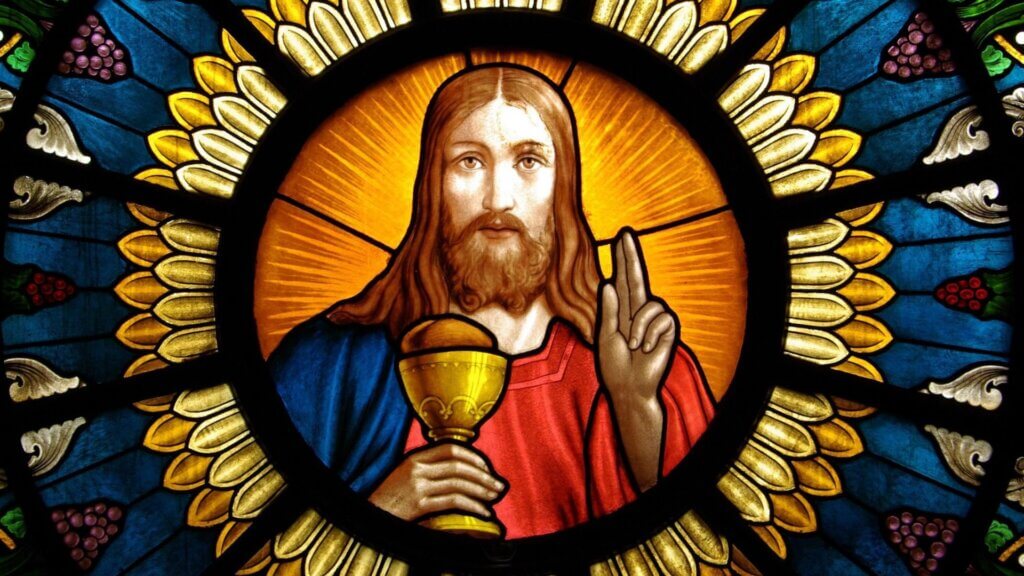
The miracles attributed to Jesus have long been the subject of faith, debate, and skepticism. While believers hold them as divine acts, historians and scientists have sought natural explanations for some of these remarkable events. Recent investigations suggest that certain biblical accounts, particularly the miraculous catch of fish, may have a foundation in natural phenomena observed in the region where these stories took place.
Tracing Historical Roots

The figure of Jesus is supported by numerous ancient writings, including Roman records and early Christian texts. Yet, the supernatural aspects of his life often invite critical scrutiny. Scholars have increasingly turned to scientific research to determine whether these accounts could have been inspired by observable natural events.
The Waters of Galilee
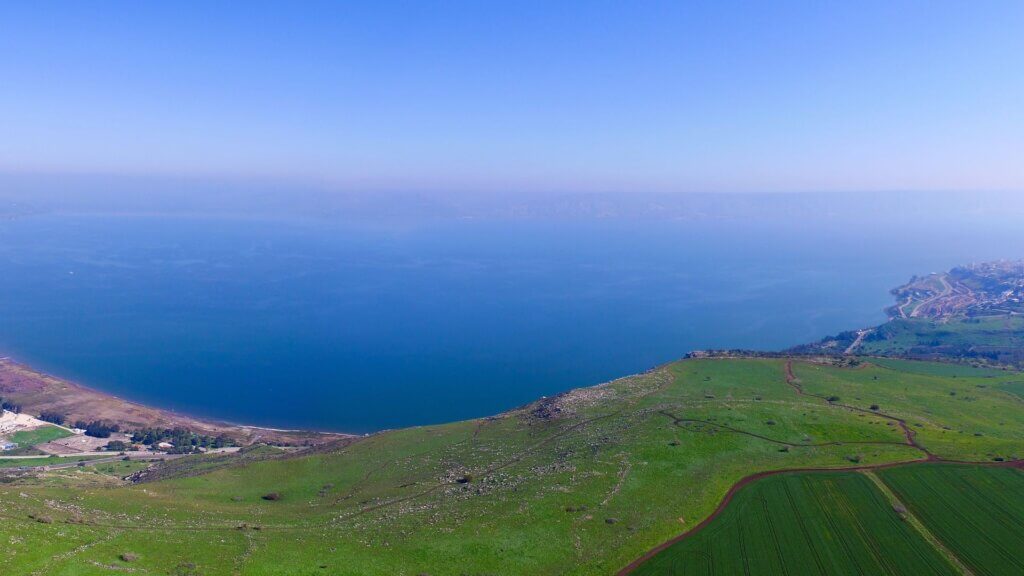
At the heart of many biblical narratives lies Lake Kinneret, more commonly known as the Sea of Galilee. This freshwater body has been extensively studied for its unique ecological behavior. The lake is central not only to local livelihoods but also to stories that have shaped religious traditions across centuries.
Understanding Fish Die-Offs
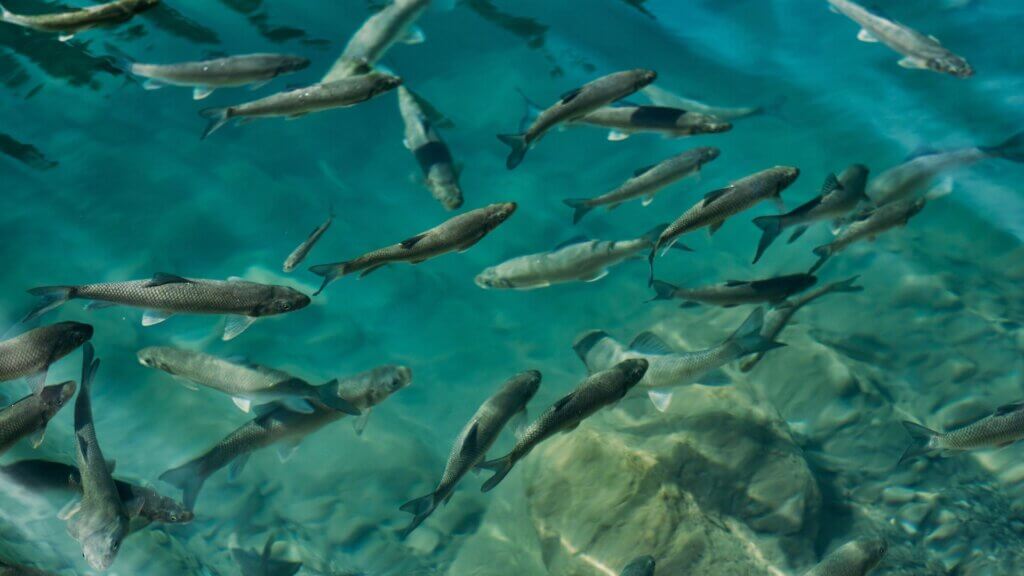
One of the lake’s most striking natural events is the occurrence of “fish kills.” These events arise when sudden shifts in oxygen levels cause large numbers of fish to suffocate. The result is a temporary abundance of fish floating near the surface, an image that resonates with descriptions found in biblical texts.
A Scientific Lens on Scripture

In one gospel account, Jesus instructs weary fishermen to cast their nets once more, leading to a catch so great it nearly tears their nets apart. Scientists propose that such an event could coincide with a fish kill, when fish gather in shallow, oxygen-depleted waters, making them exceptionally easy to capture.
Timing and Natural Cycles

Studies show that these die-offs often occur in late spring or early summer, precisely when biblical events are said to have taken place. A notable example was recorded in 2012, when a mass fish die-off happened in the same region traditionally associated with Jesus’ ministry.
The Question of Feeding Thousands

Beyond the miraculous catch, the story of multiplying loaves and fishes may also connect to this phenomenon. An unexpected surplus of fish during seasonal die-offs could have transformed what appeared to be meager provisions into a feast for a multitude, offering a natural backdrop to a sacred event.
Faith Meets Scientific Curiosity

While some view these findings as diminishing the miraculous, others see them as enriching the narrative. The possibility that natural processes contributed to these stories does not negate faith but highlights how divine meaning may be drawn from ordinary phenomena. Both interpretations can exist side by side without conflict.
Broader Implications

This intersection of science and scripture reflects a wider effort to harmonize history, faith, and empirical evidence. By studying ecosystems like Lake Kinneret, researchers reveal how natural events could inspire enduring stories of wonder. These insights remind us that the line between the natural and the sacred has always been more porous than it seems.