

Products are selected by our editors, we may earn commission from links on this page.
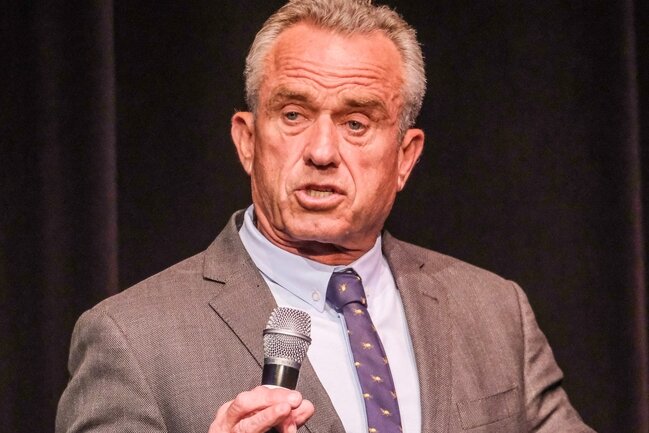
Health and Human Services Secretary Robert F. Kennedy Jr. is facing mounting criticism after questioning Medicaid programs that compensate family members for caregiving. During recent testimony before the House Ways and Means Committee, Kennedy argued that such programs may enable fraud, suggesting the government lacks reliable ways to verify whether caregivers are performing the services they are paid for.
Kennedy pointed to routine activities—such as grocery shopping, managing finances, or driving relatives to medical appointments—as examples of tasks now being reimbursed under Medicaid that were once done without pay. He described the system as “rife with fraud,” raising concerns about oversight within the Centers for Medicare and Medicaid Services.
The remarks quickly drew strong reactions from advocacy groups, caregivers, and healthcare professionals. Critics say the characterization oversimplifies complex care arrangements and risks undermining programs that millions of Americans depend on for daily living support.
Advocates Push Back on “Mischaracterization” of Care

Disability rights organizations and service providers responded forcefully, arguing that Kennedy’s comments fail to reflect the realities faced by families caring for individuals with significant medical or developmental needs. Leaders in the field say caregiving often involves far more than basic household tasks, encompassing medication management, specialized equipment operation, and continuous supervision.
Katy Neas, CEO of The Arc of the United States, warned that broad claims about fraud could jeopardize essential services. She emphasized that home- and community-based services (HCBS) are critical for allowing people with disabilities to live independently and participate in their communities, rather than being confined to institutional care.
Advocates also stressed that paying family caregivers is often a necessity rather than a convenience. With a nationwide shortage of direct care workers, many families have limited options and rely on relatives as the only consistent source of care. Critics argue that dismissing these arrangements risks ignoring both economic realities and the personal preferences of those receiving care.
Real-Life Caregiving Highlights the Stakes

For many families, the debate is not theoretical. Caregivers describe demanding, around-the-clock responsibilities that go well beyond errands or occasional assistance. Some individuals require ventilators, feeding tubes, seizure monitoring, or behavioral supervision—tasks that demand training, vigilance, and significant emotional commitment.
Stories shared by caregivers underscore the gap between policy discussions and lived experience. One parent caring for a child with severe medical needs described the suggestion that caregiving is equivalent to routine family help as “deeply dismissive.” Others noted that compensation allows them to remain financially stable while providing essential care at home.
Nationally, more than 11 million Americans receive payment through government programs for caregiving roles, many through Medicaid’s HCBS waivers. These programs have historically drawn bipartisan support as cost-effective alternatives to institutional care, helping individuals remain in familiar environments while reducing reliance on nursing homes.
Fraud Concerns Persist Amid Policy Pressures
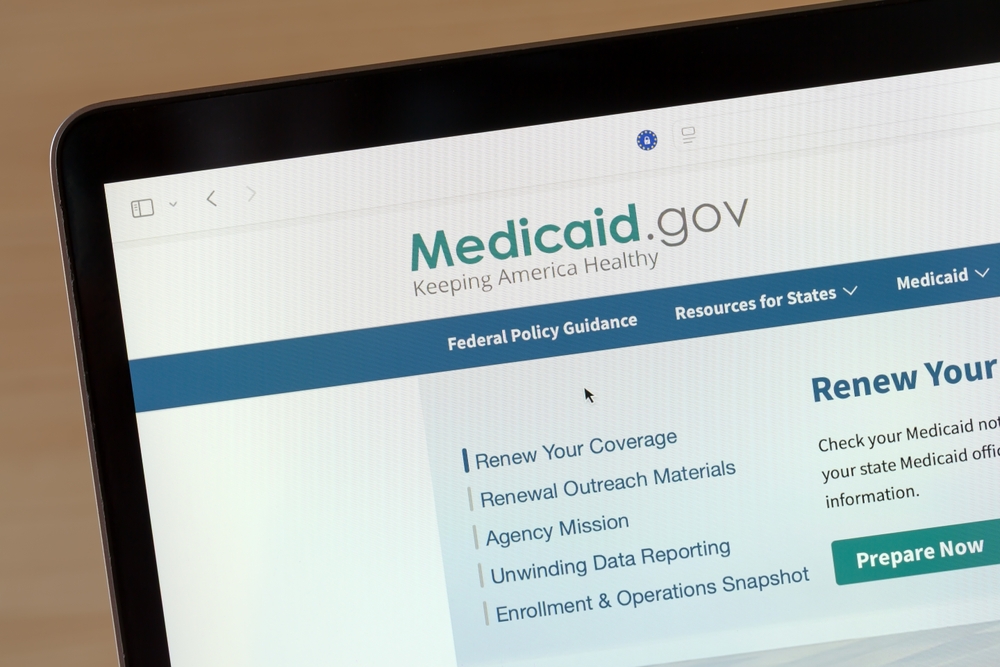
While advocates dispute Kennedy’s framing, they acknowledge that fraud exists within large public programs and should be addressed. Federal and state authorities have pursued cases involving fraudulent billing or services that were never delivered, sometimes involving substantial sums. Officials argue that increased scrutiny is necessary to protect taxpayer funds and ensure program integrity.
The administration has recently stepped up efforts to combat fraud, with new expectations for states and expanded investigations into Medicaid practices. Officials have described misuse of healthcare programs as a threat not only to budgets but also to the long-term sustainability of services for those who genuinely need them.
At the same time, the controversy unfolds against a backdrop of broader financial pressures. Proposed federal spending cuts and rising healthcare costs are forcing states to reconsider Medicaid budgets, with some weighing reductions to home-based services. For families and advocates, the concern is that rhetoric about fraud could accelerate policy changes that limit access to care.
As the debate continues, both sides agree on one point: maintaining accountability in Medicaid is essential. The challenge lies in balancing oversight with the need to preserve programs that many Americans rely on to live safely and independently in their communities.