

Products are selected by our editors, we may earn commission from links on this page.
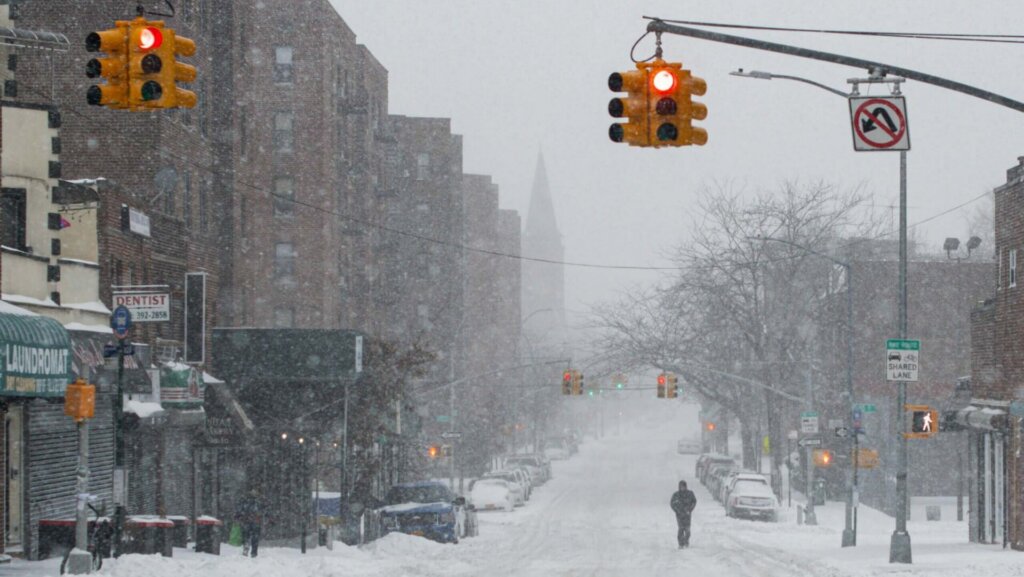
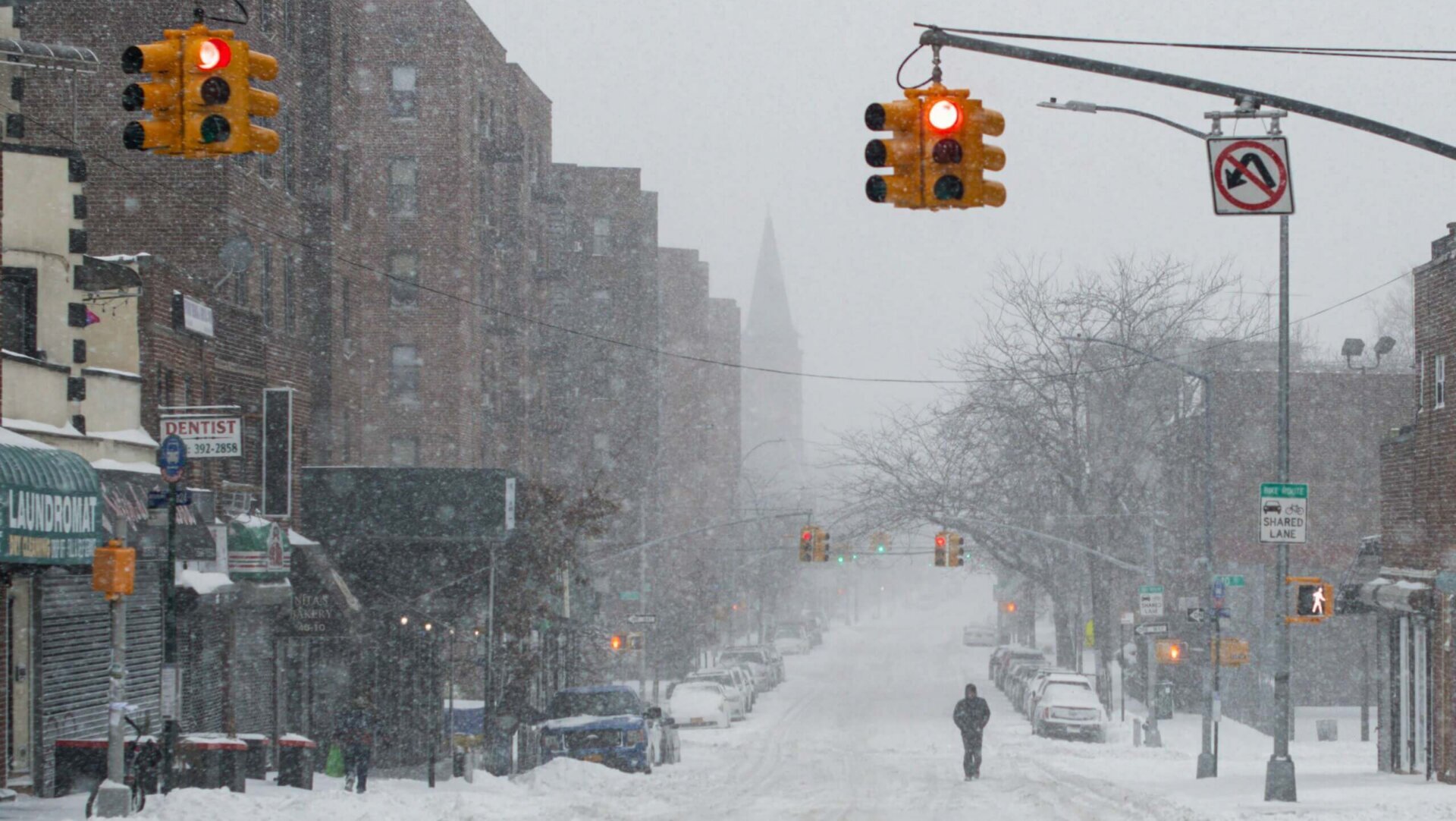
A sprawling winter storm has engulfed much of the United States, stretching more than 2,000 miles from New Mexico to Maine and placing millions of Americans under dangerous weather conditions.
The system brought heavy snow, sleet, and freezing rain as it moved from the south-central states toward the Northeast, prompting widespread emergency responses and disrupting daily life across multiple regions.
As of early Monday, at least 18 deaths had been attributed to weather-related causes, highlighting the storm’s severity and the human toll of prolonged exposure to extreme winter conditions.
Extreme Cold and Widespread Power Outages Intensify Public Risk

Roughly 800,000 customers across states from New Mexico to Virginia were without power as freezing temperatures and ice accumulation strained electrical infrastructure.
The National Weather Service issued extreme cold warnings across parts of 18 contiguous states, including Arkansas, Texas, Louisiana, Mississippi, Tennessee, Georgia, and Missouri, as dangerously low temperatures compounded the effects of power loss.
Officials warned that freezing rain and ice could lead to further outages, fallen trees, and hazardous travel, particularly in the Southeast and Mid-Atlantic regions.
Schools, Workplaces, and Transportation Systems Shift Operations
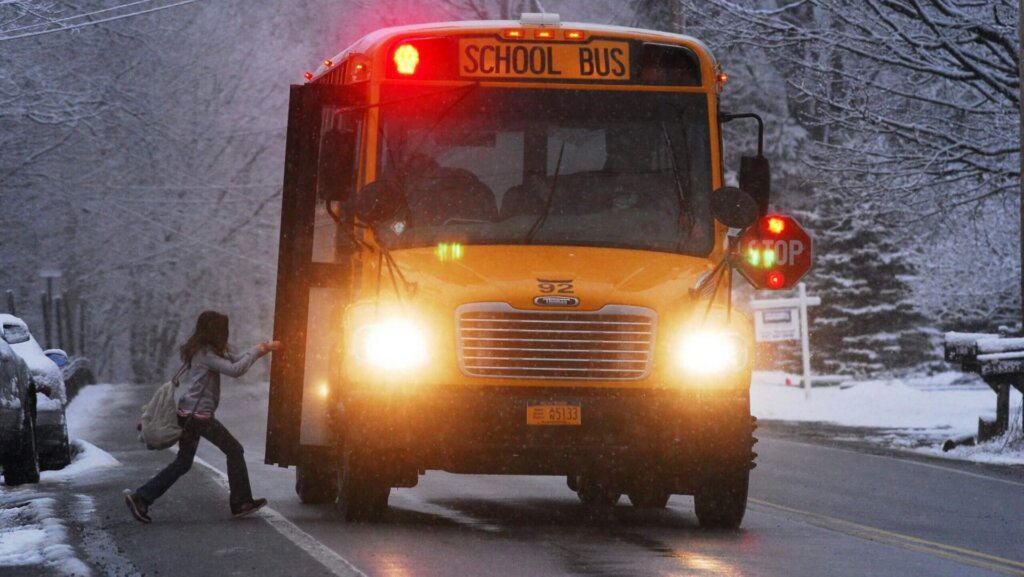
In response to worsening conditions, New York City announced a shift to remote learning, while New York State authorized all state employees to work remotely to reduce travel risks.
Air travel faced unprecedented disruption. More than 11,500 flights were canceled nationwide on Sunday, marking the worst single day of cancellations since the COVID-19 pandemic.
By late Monday morning, an additional 4,900 flights had been canceled, with major airports in New York and Boston among the hardest hit. Airlines across the country began waiving rebooking fees for affected passengers.
Prolonged Impacts Expected as Snow and Ice Persist
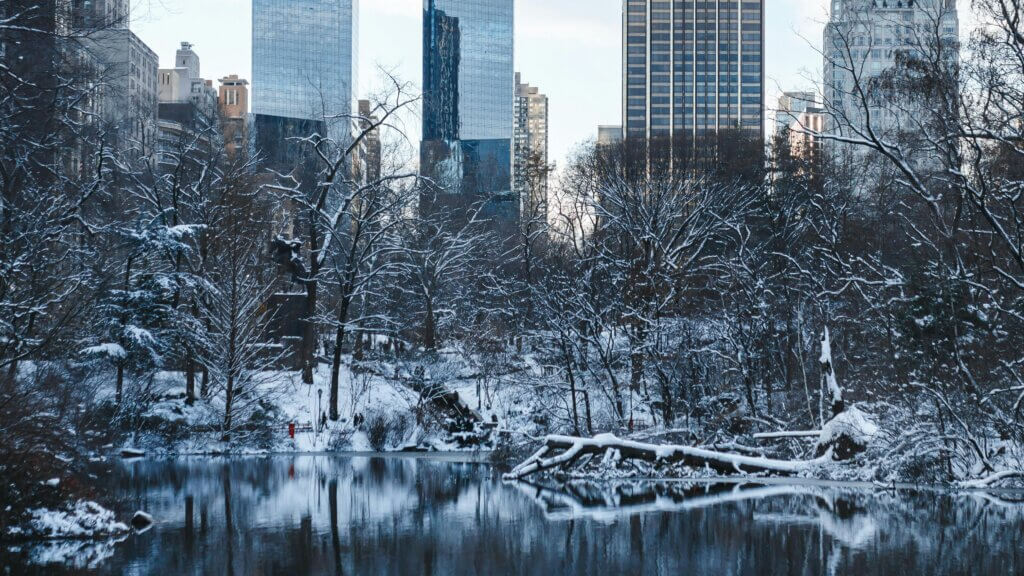
The National Weather Service warned that heavy snowfall across the Northeast, Appalachians, and Great Lakes region could result in extended road closures and continued travel disruptions lasting several days.
As recovery efforts continue, officials urge residents to limit travel, conserve energy, and monitor local advisories, underscoring how large-scale climate events increasingly test the resilience of infrastructure and emergency systems nationwide.
Meteorologists said the storm system is expected to move slowly, raising concerns about prolonged power outages and delays to supply chains in affected areas. Emergency management agencies are coordinating with utility providers and transportation officials to accelerate response efforts, while warning that hazardous conditions may persist even after snowfall subsides.