


Products are selected by our editors, we may earn commission from links on this page.

Scientists have announced the discovery of a massive so-called supergiant gold deposit that could be worth an estimated $83 billion, a find that is already being described as one of the most significant precious metal discoveries in recent history. The deposit was identified during geological research aimed at understanding how large concentrations of gold form deep within the Earth’s crust, and early estimates suggest it contains an extraordinary amount of high-quality ore. Researchers say discoveries of this scale are extremely rare and can reshape both scientific understanding and global mining economics.
The gold deposit was uncovered using advanced geological analysis and modeling techniques that allowed scientists to detect mineral-rich zones far below the surface. According to experts involved in the research, the size and concentration of gold far exceed what is typically found in conventional deposits, placing it firmly in the “supergiant” category. Such deposits are believed to form under very specific geological conditions that occur only in a few places on Earth.
Beyond its estimated value, the discovery has attracted attention because it provides new clues about how gold travels and accumulates deep underground. Scientists say the find could influence future exploration methods, making it easier to identify similar deposits that were previously undetectable using traditional techniques.
How the Supergiant Gold Deposit Was Found
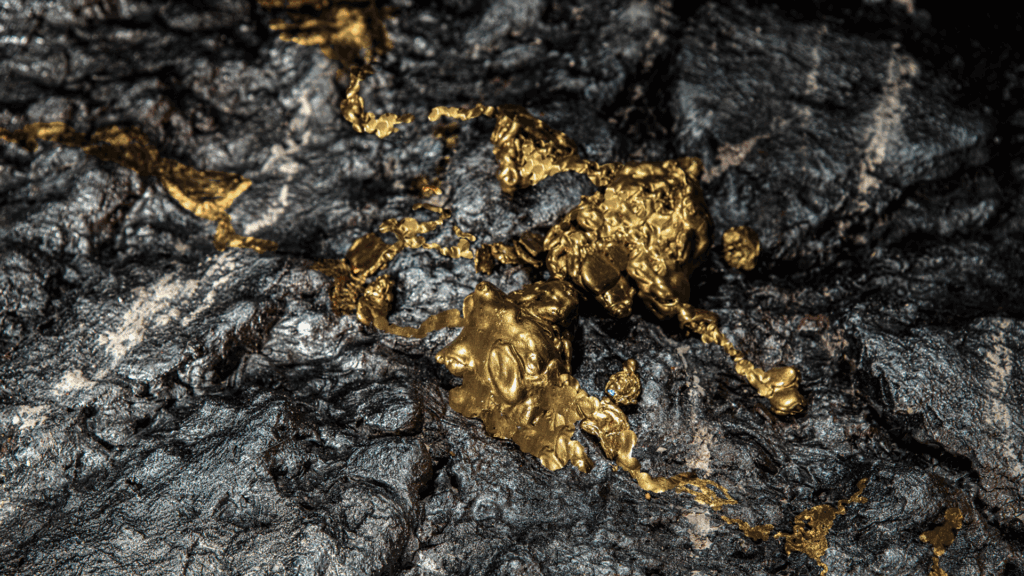
The discovery was made after scientists analyzed deep geological structures that indicated unusual concentrations of mineral-rich fluids had once moved through the area. By studying the chemistry of surrounding rocks and the behavior of ancient hydrothermal systems, researchers were able to pinpoint where gold was likely to have accumulated over millions of years. This approach represents a shift away from surface-level exploration toward deeper, data-driven methods.
According to the research team, the gold formed when hot, metal-rich fluids rose from deep within the Earth and became trapped under specific pressure and temperature conditions. Over time, these fluids cooled and deposited massive quantities of gold in concentrated zones, creating an unusually large and valuable deposit. The scale of this process explains why the deposit stands out compared to more common gold finds.
Scientists involved in the discovery say the methods used could help unlock other hidden deposits around the world. By understanding the precise geological signals associated with supergiant gold formation, future exploration efforts may become more efficient and less reliant on trial-and-error drilling.
Why the Discovery Matters Globally
A gold deposit valued at $83 billion has major implications not only for science, but also for global markets and resource planning. Discoveries of this magnitude can influence gold supply forecasts, long-term pricing expectations, and national mining strategies. While actual economic impact depends on extraction feasibility, the sheer size of the deposit has already captured international attention.
From a scientific perspective, the find helps answer long-standing questions about why gold is concentrated in certain regions while absent in others. Researchers say it confirms theories that rare geological conditions can trap vast amounts of precious metals deep underground, remaining hidden for millions of years. This insight could change how geologists assess regions previously thought to be unpromising.
The discovery also highlights the growing role of advanced technology in modern geology. Tools such as deep-earth modeling, chemical analysis, and high-resolution mapping are allowing scientists to see beneath the surface in ways that were not possible just a few decades ago.
What Happens Next After the Gold Discovery
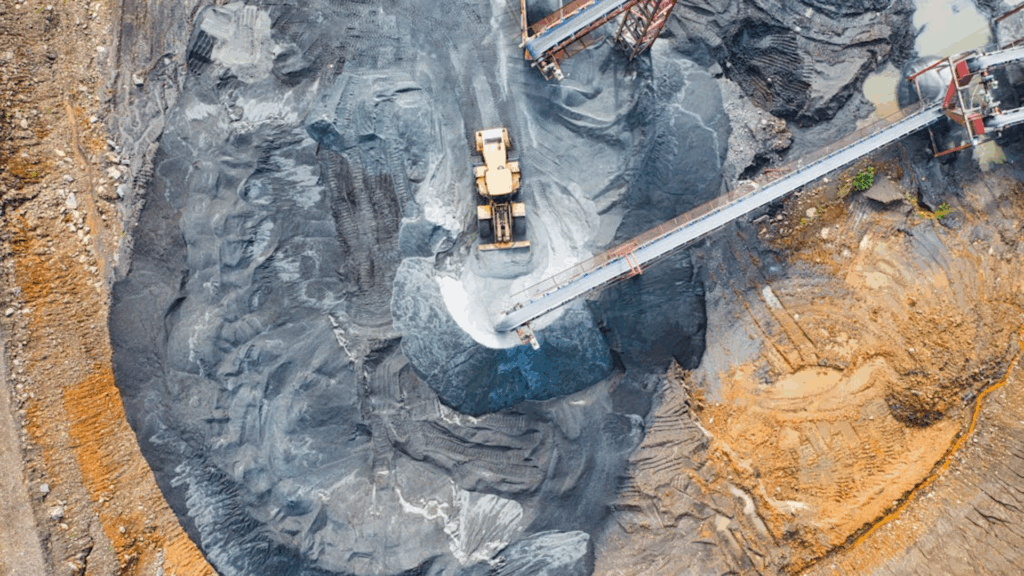
Following the announcement, further studies will be needed to confirm the full size, depth, and accessibility of the gold deposit. Researchers and industry experts will assess whether extraction is technically and economically viable, a process that can take years before any mining begins. Environmental impact studies are also expected to play a critical role in determining next steps.
Scientists plan to continue studying the site to better understand the geological processes that created the deposit. Their findings could refine exploration models and help identify other locations where similar conditions exist. Each new insight adds to a growing body of knowledge about how Earth concentrates its most valuable resources.
While it remains uncertain when or if the gold will be mined, the discovery itself is already considered a breakthrough. It underscores how much of Earth’s wealth remains hidden underground and how scientific advances continue to reveal resources once thought impossible to find.