

Products are selected by our editors, we may earn commission from links on this page.
For months, scientists watched unusual warmth build beneath the tropical Pacific. Now that signal has become something more concrete. El Niño conditions have officially emerged, and several forecasting agencies believe this event could grow into one of the strongest seen in decades. That possibility has led some researchers and forecasters to use an informal nickname that immediately grabs attention: “Godzilla El Niño.”
Why Forecasters Are Paying Such Close Attention
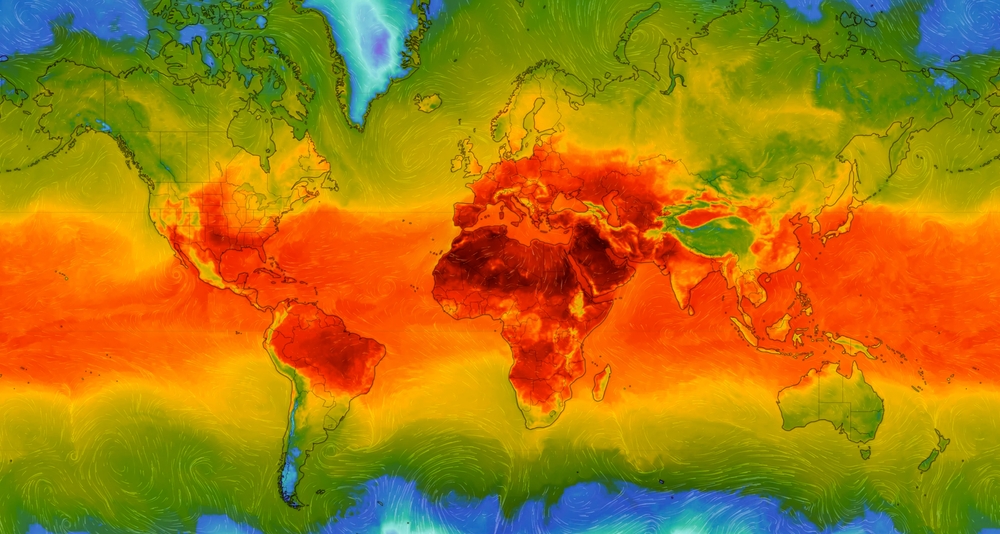
The concern is not based on speculation alone. NOAA’s Climate Prediction Center confirmed that El Niño conditions are present and expects them to strengthen through the Northern Hemisphere winter of 2026-27. Its latest outlook assigns a 63% chance that the event reaches “very strong” status, a category that would place it among the largest El Niño events recorded since modern monitoring began in 1950.
What Makes An El Niño A “Godzilla” Event?
El Niño is part of the El Niño-Southern Oscillation, or ENSO, a natural climate pattern driven by unusually warm waters in the central and eastern Pacific Ocean. As trade winds weaken and ocean temperatures rise, rainfall patterns, storm tracks, and atmospheric circulation can shift across large parts of the globe. Strong events release enormous amounts of stored ocean heat into the atmosphere, often helping push global temperatures higher.
A Rare Combination Of Factors
Scientists say this year’s event stands out for several reasons. The transition from La Niña to El Niño happened unusually quickly, and forecast models are showing a rare degree of agreement about future strengthening. Researchers also note that the event is developing in a world that is already warmer than during previous major El Niño episodes such as 1982-83, 1997-98, and 2015-16. That combination has increased concern that impacts could be amplified even if the climate pattern itself remains a natural phenomenon.
The Global Ripple Effects Could Be Dramatic
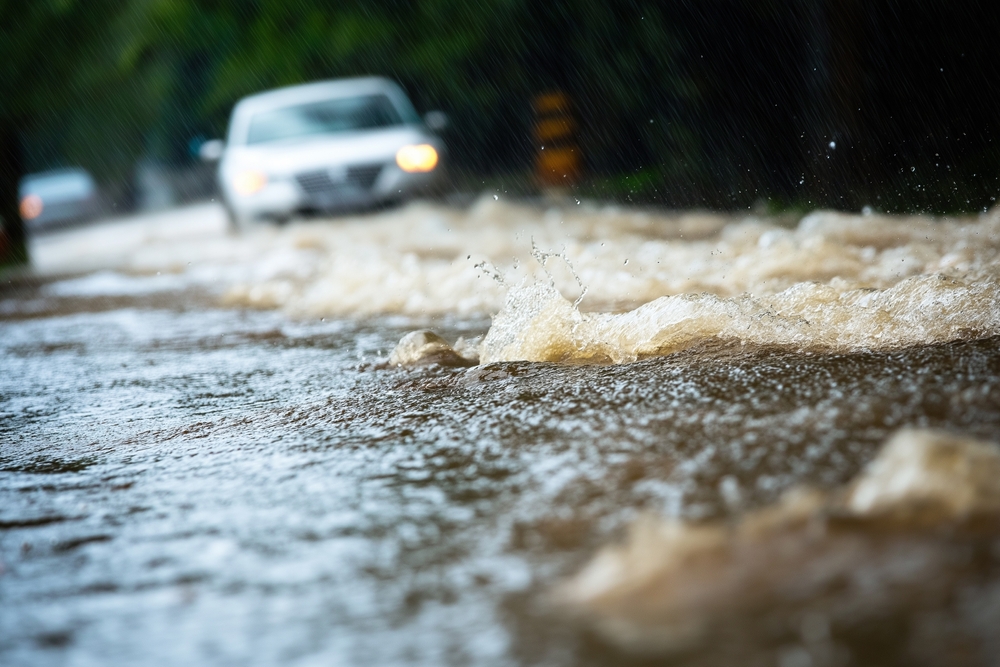
El Niño does not affect every region the same way, but it changes the odds of extreme weather. Northern Peru and southern Ecuador often face heightened flood risks, while warmer coastal waters can disrupt fisheries by weakening nutrient-rich ocean upwelling. Indonesia, Australia, and parts of southern Asia frequently experience increased drought, heat, and wildfire risks. Other regions, including parts of the southern United States and the Horn of Africa, may see heavier rainfall.
Why The United Nations Is Already Preparing
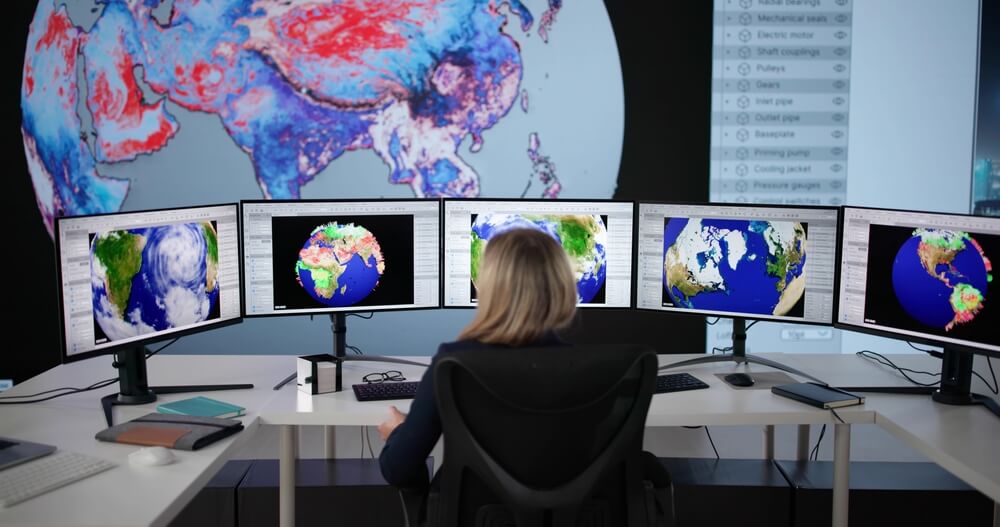
The growing concern has triggered an unusually early international response. The United Nations World Food Programme and Food and Agriculture Organization launched their first-ever joint anticipatory appeal, seeking $202 million to help nearly nine million people across 22 high-risk countries prepare before major impacts occur. Officials say improved forecasting now allows governments and aid agencies to act before disasters unfold rather than responding afterward.
Lessons From Previous El Niño Episodes
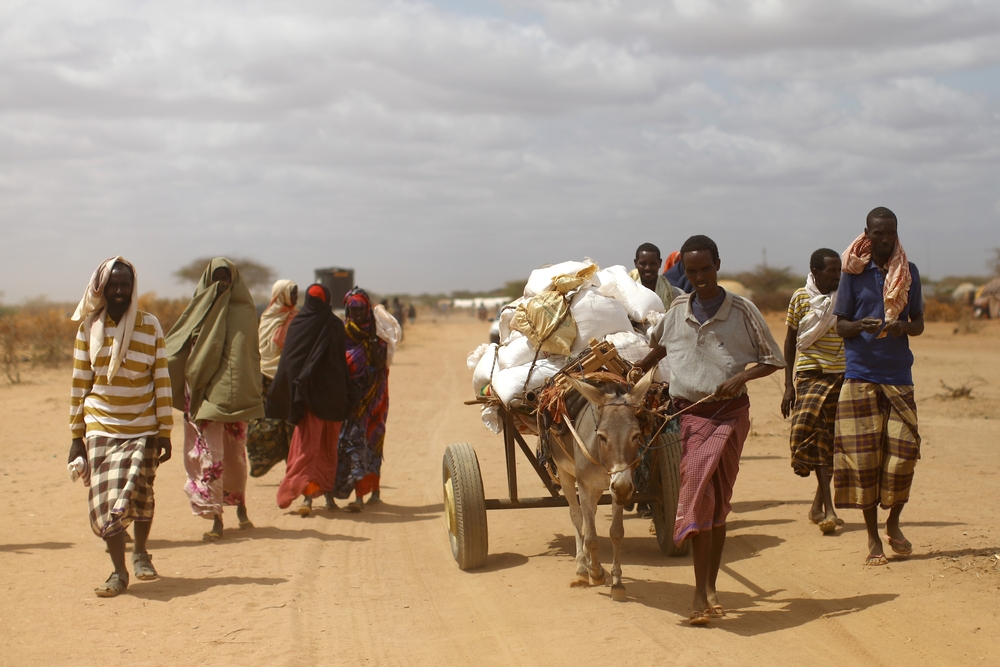
History explains why forecasters take strong El Niño events seriously. The 1972-73 event contributed to the collapse of Peru’s anchovy fishery and coincided with severe droughts in parts of Africa and Asia. The powerful 1982-83 and 1997-98 episodes brought widespread disruptions around the world. Researchers caution that climate events alone do not determine social or political outcomes, but they can intensify food shortages, economic stress, and humanitarian crises when societies are already vulnerable.
Australia Shows Why Forecasting Is Complicated
Despite alarming headlines, scientists emphasize that a stronger El Niño does not automatically produce the same outcome everywhere. In Australia, El Niño is commonly associated with drier conditions, particularly in eastern regions, but historical records show no simple relationship between El Niño strength and rainfall impacts. Some of the strongest events on record still delivered near-average rainfall across large areas of the country. Researchers stress that El Niño is a risk factor rather than a guaranteed forecast.
The Bigger Concern May Arrive In 2027
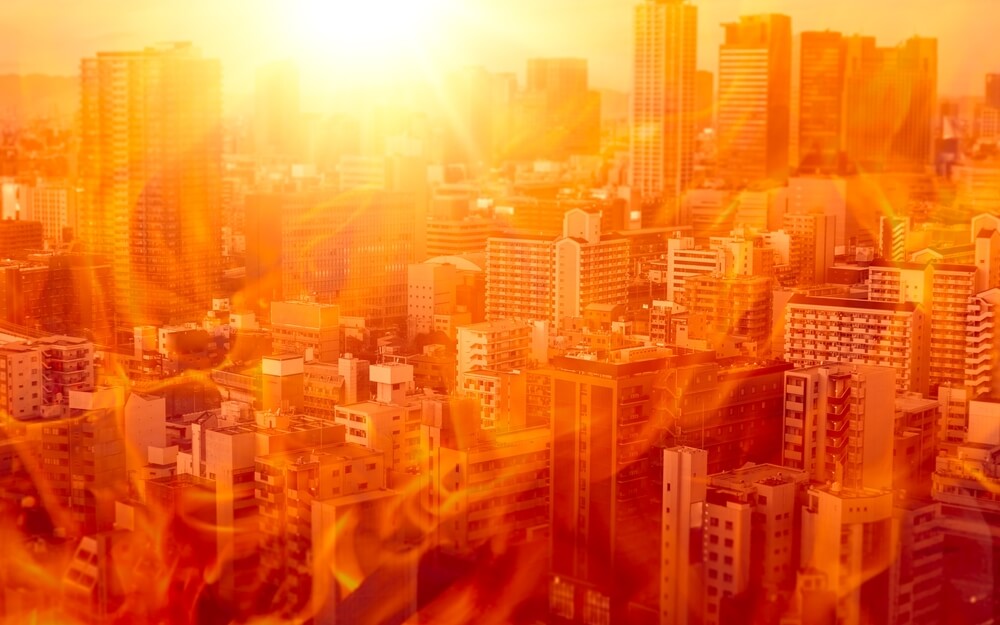
One reason scientists are watching closely is that El Niño’s influence on global temperatures often peaks after the climate event itself reaches maximum strength. If forecasts prove correct, much of the global heat signal may emerge during 2027. UK Met Office scientist Adam Scaife warned that El Niño is now developing on top of substantial human-caused warming, raising the possibility that some affected regions could experience temperatures without historical precedent.
The Next Few Months Will Be The Real Test

For now, the future remains uncertain. NOAA’s outlook is unusually confident, but scientists continue monitoring ocean temperatures, trade winds, and atmospheric responses across the Pacific. Whether this becomes a truly historic “Godzilla” El Niño or settles into a less extreme category will depend on how those signals evolve.
For most people, the practical takeaway is not panic but preparedness. Communities vulnerable to floods, drought, heat waves, or water shortages may benefit from paying closer attention to seasonal forecasts and local emergency guidance in the months ahead.
What is already clear is that governments, farmers, emergency planners, and aid agencies are using this early warning period to prepare for a climate event that could shape weather patterns, food supplies, energy demand, and daily life well into next year.