

Products are selected by our editors, we may earn commission from links on this page.
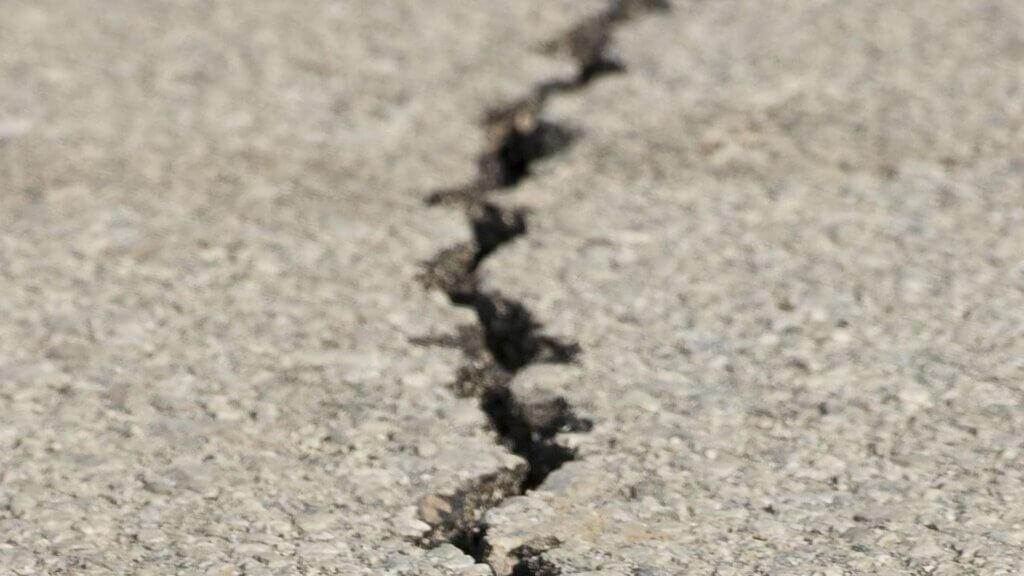
Earthquakes are part of life in California, but new research highlights a particular type of seismic event that could be more destructive than most people realize. Known as “supershear” earthquakes, these rare but powerful ruptures travel so fast that they outpace their own seismic waves, delivering unusually strong and far-reaching shaking.
A Hidden Risk Beneath the Surface
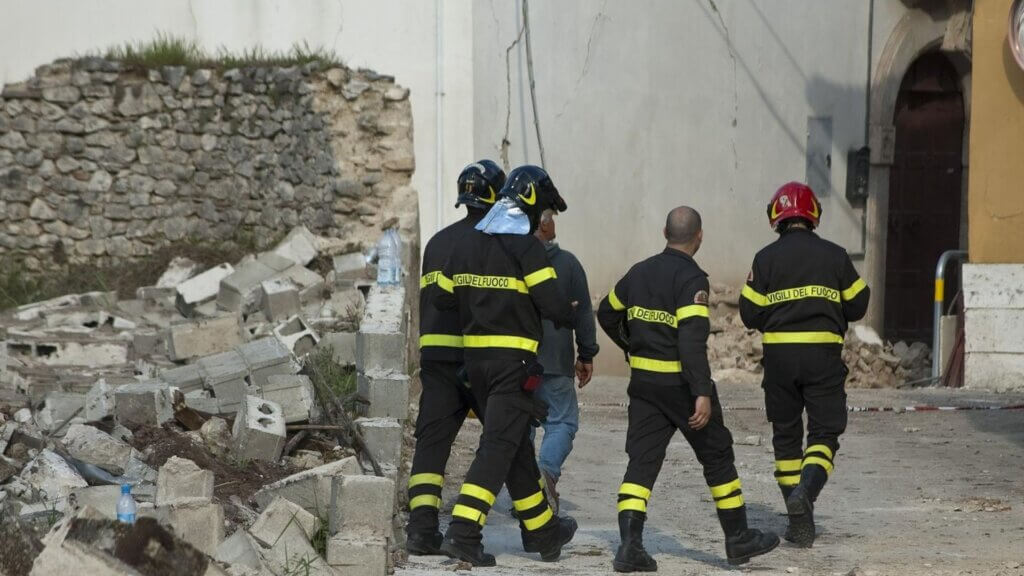
Although Californians are no strangers to earthquakes, experts caution that supershear quakes remain largely overlooked in hazard planning. Researchers from the USC Dornsife College of Letters, Arts and Sciences emphasize that these events may cause more intense damage across wider regions than conventional earthquakes, making them an urgent concern for preparedness efforts.
Why Supershear Matters
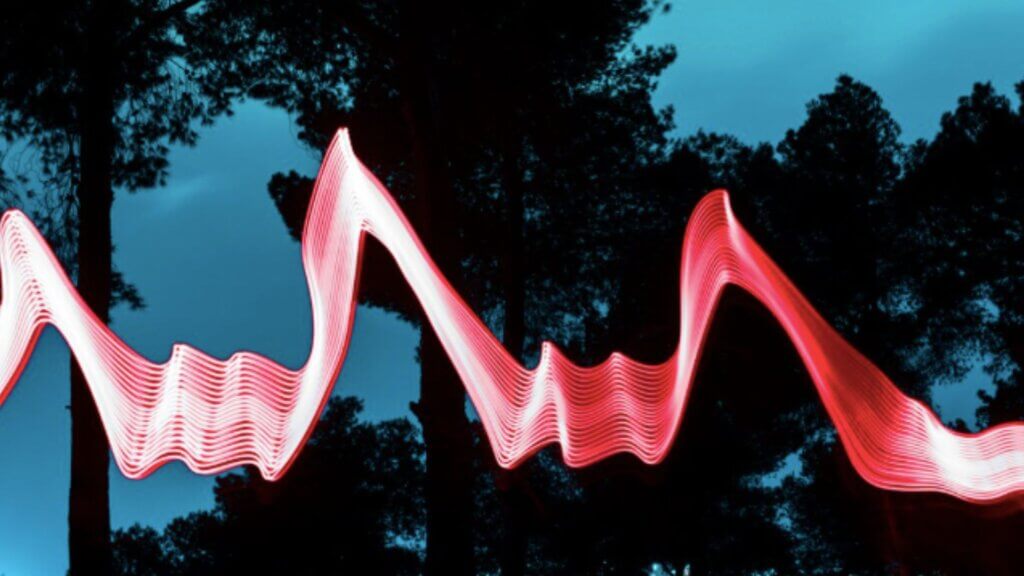
Unlike typical quakes, supershear ruptures accelerate at extraordinary speeds along faults. This speed produces shockwaves similar to those created when a jet surpasses the sound barrier, a phenomenon often described as a “sonic boom in the ground.” The outcome is a surge of destructive energy that magnifies the impact on communities.
The Double Strike Effect
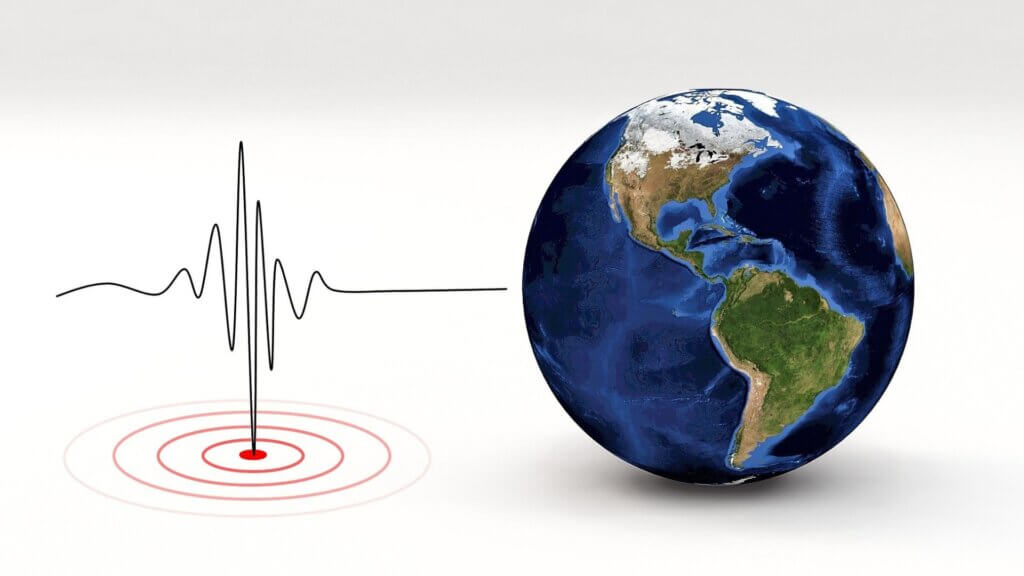
One of the most alarming features of supershear earthquakes is what scientists call the “double strike.” The first blow comes from the shock front racing ahead of the rupture, while a second wave of energy follows close behind. Together, they intensify the shaking and prolong the period of destruction, making recovery even more challenging.
Lessons from Global Earthquakes
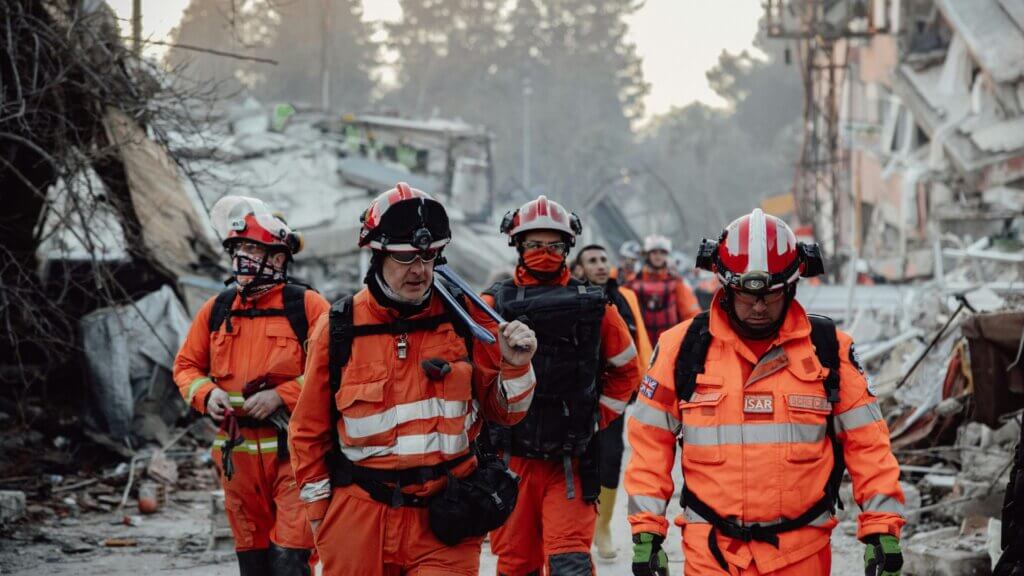
Data show that nearly one-third of major strike-slip earthquakes worldwide are supershear in nature. Since California’s landscape is dominated by strike-slip faults such as the San Andreas, the region faces a considerable probability of experiencing these high-speed ruptures in future seismic events.
Future Quakes Are Certain

While no one can predict the exact timing or location of the next major earthquake, scientists agree that magnitude 7 events will strike California in the coming decades. Some of these quakes are likely to be supershear, and the level of damage will depend heavily on how prepared the state is when they arrive.
Gaps in Current Safety Standards

Today’s construction codes are designed with traditional seismic forces in mind. However, supershear quakes release much of their energy directly along fault lines, a direction often overlooked in building design. Experts warn that critical infrastructure, including hospitals, bridges, and transportation systems, remains vulnerable to this type of rupture.
Building for Greater Resilience

To address this gap, researchers advocate for stronger engineering requirements that reflect the unique power of supershear quakes. Reinforcing existing structures, especially those serving vital public functions, is a key step toward reducing the risk of catastrophic failure during a major event.
Tools for Better Preparation

Preparation also depends on more than building codes. Scientists call for denser networks of seismic monitoring stations, advanced computer modeling of rupture scenarios, and cross-institutional collaboration. These tools can provide clearer forecasts of how supershear quakes may unfold and help guide safer community planning.
A Call for Collective Action

Ultimately, preparing for supershear earthquakes requires cooperation among scientists, policymakers, engineers, and the public. The research teams from USC, Caltech, and the University of Illinois Urbana-Champaign stress that now is the time to act. California has long lived with seismic risk—but addressing the supershear threat could make the difference between resilience and disaster.