

Products are selected by our editors, we may earn commission from links on this page.
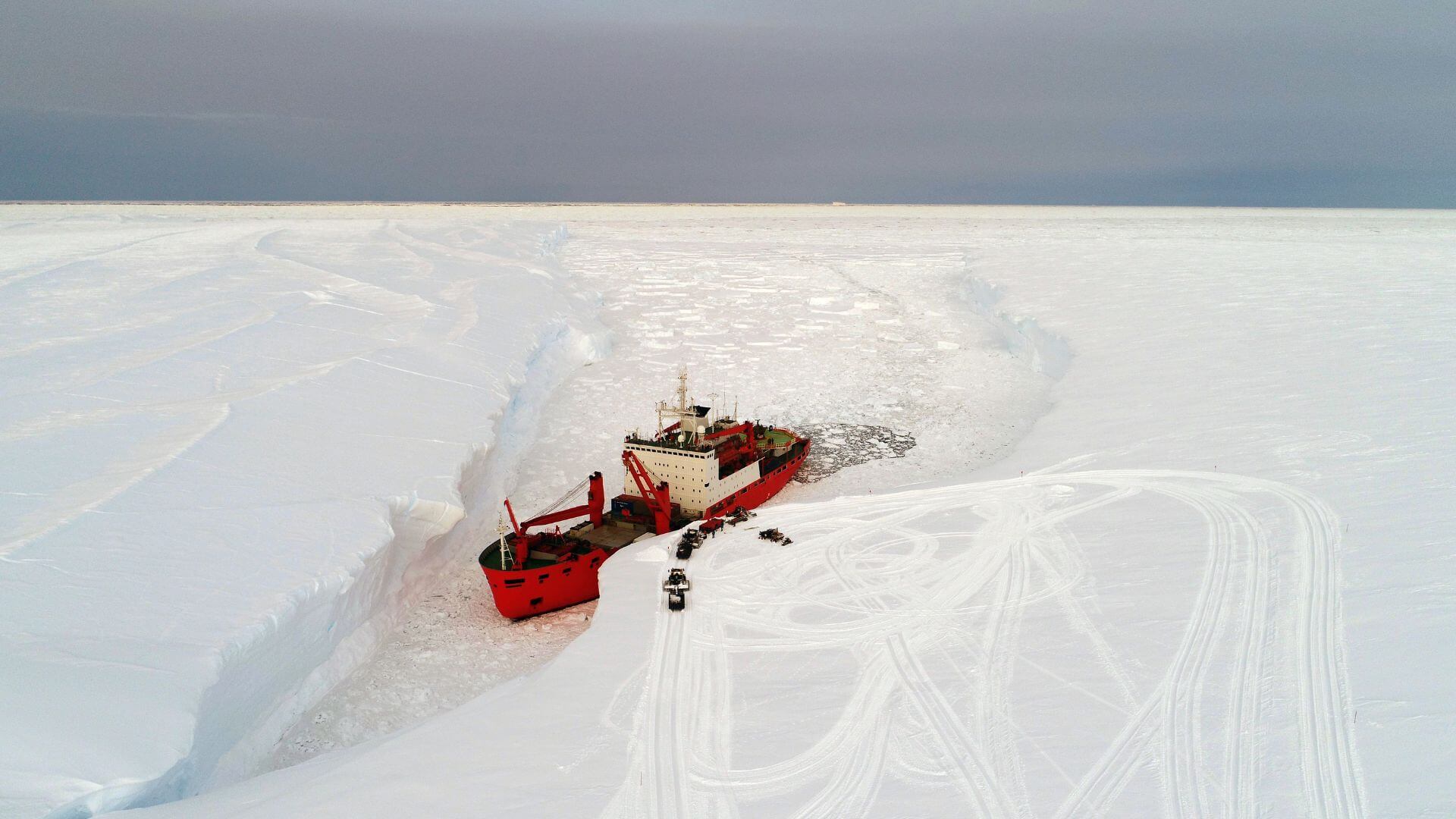
As global temperatures rise, sea ice that once made vast stretches of the Arctic Ocean impassable is retreating fast enough that routes once frozen year-round are now seasonally open. Arctic shipping traffic has grown sharply over the past decade, opening commercial corridors that connect Asia, Europe, and North America through waters that were largely inaccessible.
That increase in traffic comes with a serious environmental cost. Ship engines burn residual fuels that release black carbon, a form of soot that settles onto ice and snow across the region. Once those surfaces darken, they lose their ability to reflect sunlight. The heat gets absorbed instead, speeding up the very melting that made those shipping lanes accessible in the first place.
“It ends up in a never-ending cycle of increased warming,” Sian Prior, lead adviser for the Clean Arctic Alliance, a coalition of nonprofits focused on Arctic shipping, told Euronews. Prior added that both emissions and black carbon remain “completely unregulated in the Arctic.” The alliance is among the groups calling on international regulators to require cleaner fuels for ships operating in the region.
Arctic Ship Traffic Has Surged, and So Have Black Carbon Emissions

Between 2013 and 2023, the number of ships entering waters north of the 60th parallel increased by 37 percent, according to the Arctic Council, an intergovernmental forum of the eight nations with Arctic territory. Over that same period, the total distance traveled by ships in those waters more than doubled, rising by 111 percent. The Arctic Council includes Canada, Denmark, Finland, Iceland, Norway, Russia, Sweden, and the United States.
Black carbon output has climbed alongside that traffic. Ships operating north of the 60th parallel emitted 2,696 tonnes of black carbon in 2019, rising to 3,310 tonnes by 2024, according to a study by Energy and Environmental Research Associates. That same study identified fishing vessels as the largest single source. Studies cited by Euronews also show black carbon carries a warming impact roughly 1,600 times that of carbon dioxide over 20 years.
A 2024 ban on heavy fuel oil in the Arctic was intended to reduce emissions, but its impact has been limited. Exemptions mean some vessels can continue burning it through 2029, and the Energy and Environmental Research Associates study found the ban would result in only a small reduction in black carbon. Environmental groups and concerned countries say getting ships to switch fuels entirely is the only realistic way to cut emissions meaningfully.
A Regulatory Push Is Underway, but Geopolitics and Industry Resistance Are Slowing Progress
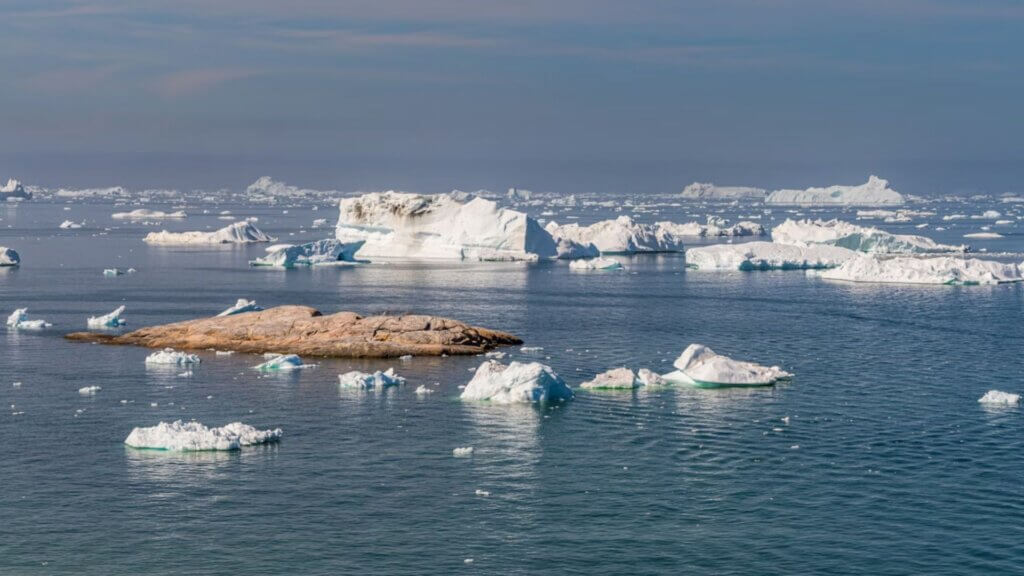
France, Germany, Denmark, and the Solomon Islands have proposed that the International Maritime Organization require all vessels traveling north of the 60th parallel to use cleaner “polar fuels,” which emit significantly less black carbon than conventional residual fuels. The proposal was expected to be taken up by the IMO’s Pollution Prevention and Response Committee, with a follow-up session anticipated in April, according to Euronews.
U.S. President Donald Trump, who has called climate change a “con job,” lobbied hard against IMO carbon fee regulations last year, and the measure was postponed for a year. Those regulations would have pushed companies toward cleaner fuels. Trump’s periodic comments about the U.S. needing to “own” Greenland have also pushed environmental concerns further to the sidelines, and the regulations’ prospects remain uncertain, according to Euronews.
Even within Arctic nations, industry resistance is slowing action. In Iceland, the powerful fishing sector has pushed back against fuel regulations that would raise operating costs. “The industry is happy with profits, unhappy with the taxes and not engaged in issues like climate or biodiversity,” said Arni Finnsson, board chair of the Iceland Nature Conservation Association, per Euronews. Iceland has not yet taken a position on the polar fuels proposal.
Cleaner Fuels Are on the Table, but the Road to Regulation Remains Uncertain
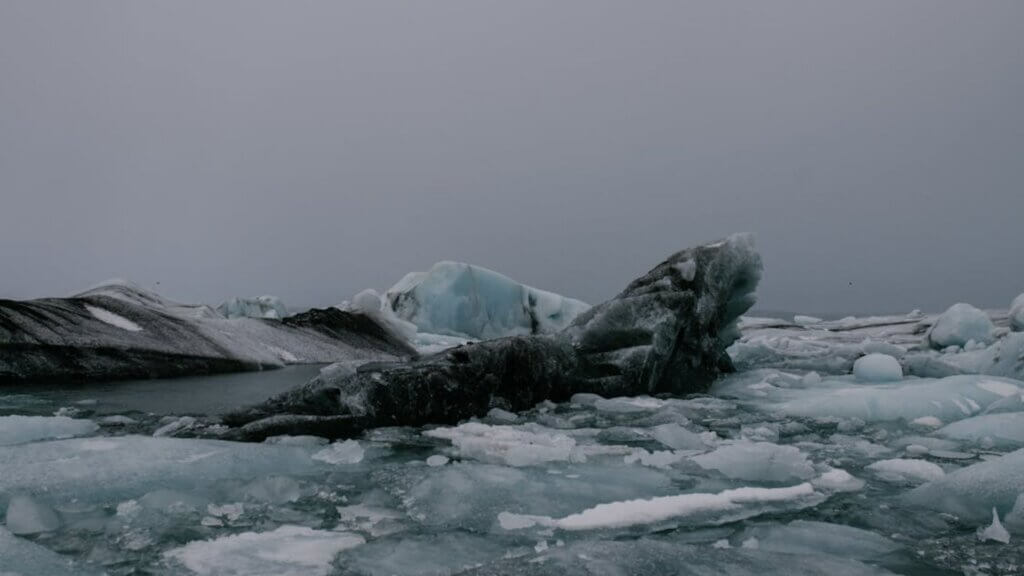
The Arctic is already the fastest-warming region on Earth, and melting sea ice there doesn’t stay a local problem. Shifts in Arctic ice conditions can disrupt weather patterns across distant regions of the world, making black carbon emissions from Arctic shipping a concern that reaches far beyond the vessels producing them. Soot pollution has been documented across the waters connecting the northernmost parts of Iceland, Greenland, Canada, Russia, Norway, Finland, Sweden, and the United States.
Environmental groups and the countries backing the polar fuels proposal argue that targeting ship fuel is the only practical lever available, since limiting which vessels can enter Arctic waters would require a level of international agreement that is unlikely to materialize. The economic draw of Arctic routes, from shortened shipping distances to fishing and resource access, makes traffic restrictions a near-impossible sell.
Not everyone is waiting for regulators to move. Søren Toft, CEO of Mediterranean Shipping Company, the world’s largest container shipping line, wrote in a LinkedIn post that the company does not and will not use the Northern Sea Route. “The debate around the Arctic is intensifying, and commercial shipping is part of that discussion,” he wrote.