

Products are selected by our editors, we may earn commission from links on this page.
Scientists across the globe are increasingly warning that Earth is experiencing dramatic declines in biodiversity as species disappear at rates far exceeding natural background levels, raising alarms that a sixth mass extinction may already be underway and is accelerating due to human influences. Evidence from ecological research suggests that habitat loss, pollution, climate change and other pressures driven by human activity have pushed extinction rates to levels not seen since past catastrophic events in Earth’s history.
What Is a Mass Extinction
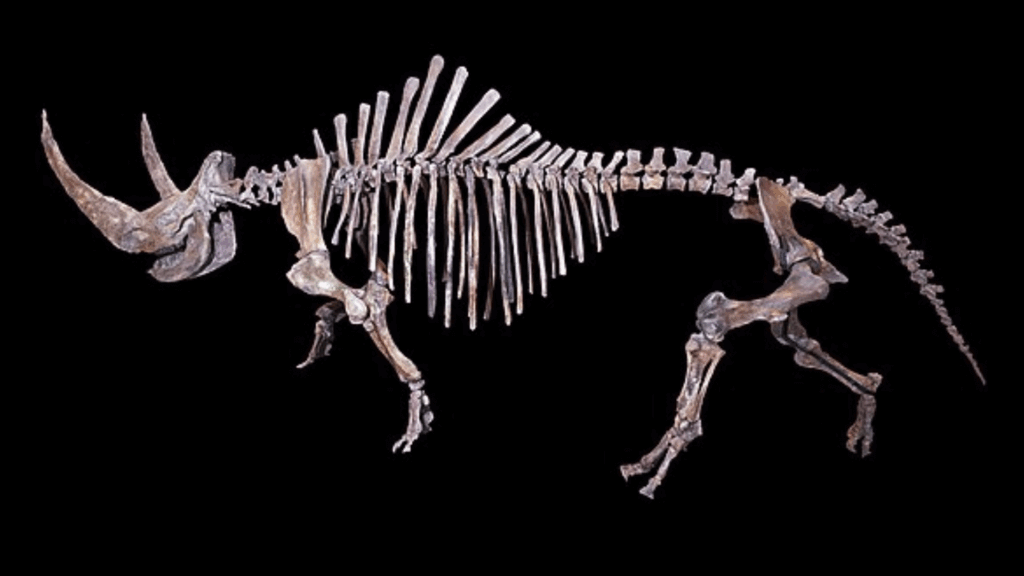
Mass extinctions are events in geological history where a very high percentage of Earth’s species are lost over a relatively short period of time compared to the planet’s long timeline, and scientists now say current losses of biodiversity may be fitting this definition as species disappear at rates hundreds to thousands of times above background levels.
Human Activities Driving Species Loss
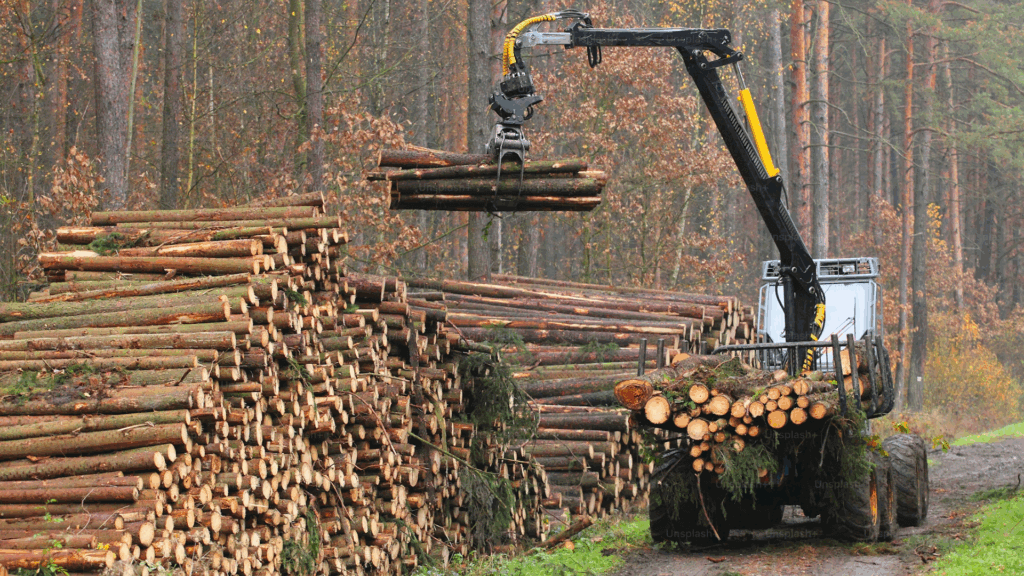
Experts point to human activities such as habitat destruction, overexploitation of wildlife, pollution, invasive species and climate change as the primary forces pushing species toward extinction, altering ecosystems across the planet and threatening the services those ecosystems provide.
Accelerating Extinction Rates
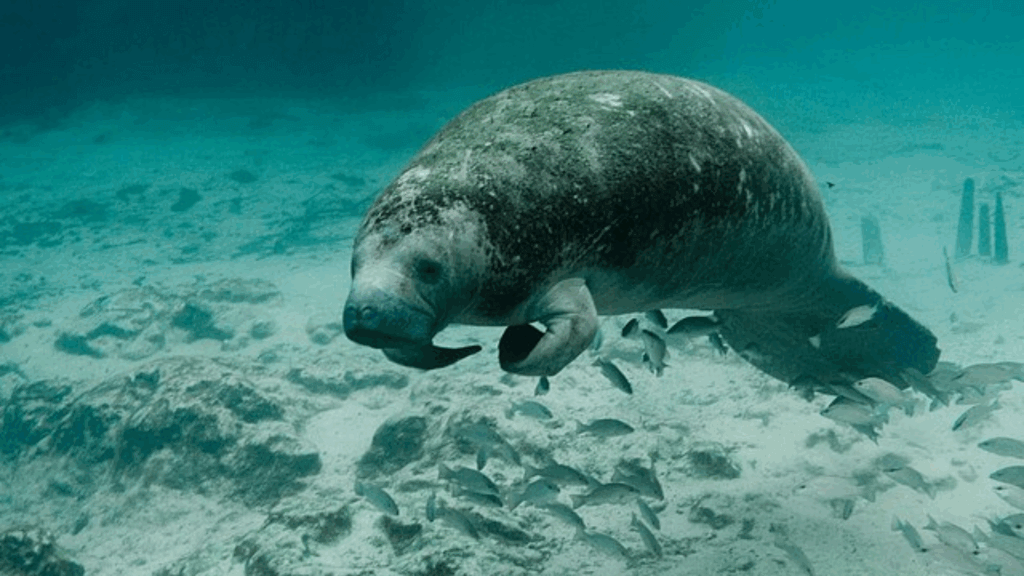
Recent analyses of global biodiversity data show extinction rates for many groups of animals and plants are dramatically higher than normal evolutionary loss rates, suggesting that the current pace of species disappearance far exceeds what would be expected without human impact.
Examples of Species at Risk
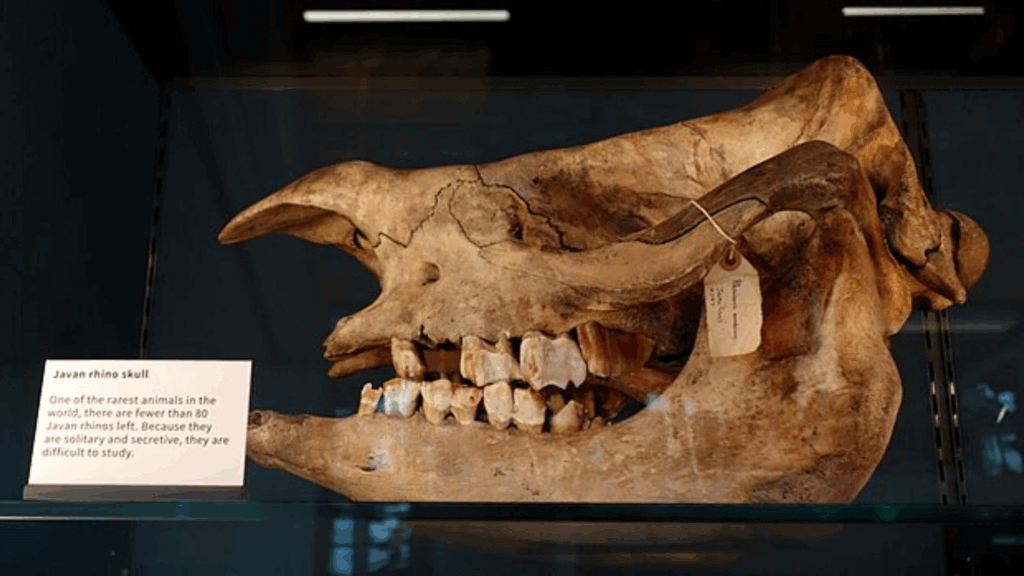
Hundreds of vertebrate species now have extremely small populations, with some estimates identifying more than 500 species with fewer than 1,000 individuals left, creating conditions where species are highly vulnerable to stochastic events and further decline.
Climate Change as a Compounding Threat

Climate change has emerged as a major driver of ecosystem disruption and species decline, adding to threats from habitat loss and overexploitation by changing temperatures, weather patterns and ocean conditions that many species cannot quickly adapt to.
Ecosystem Services at Stake
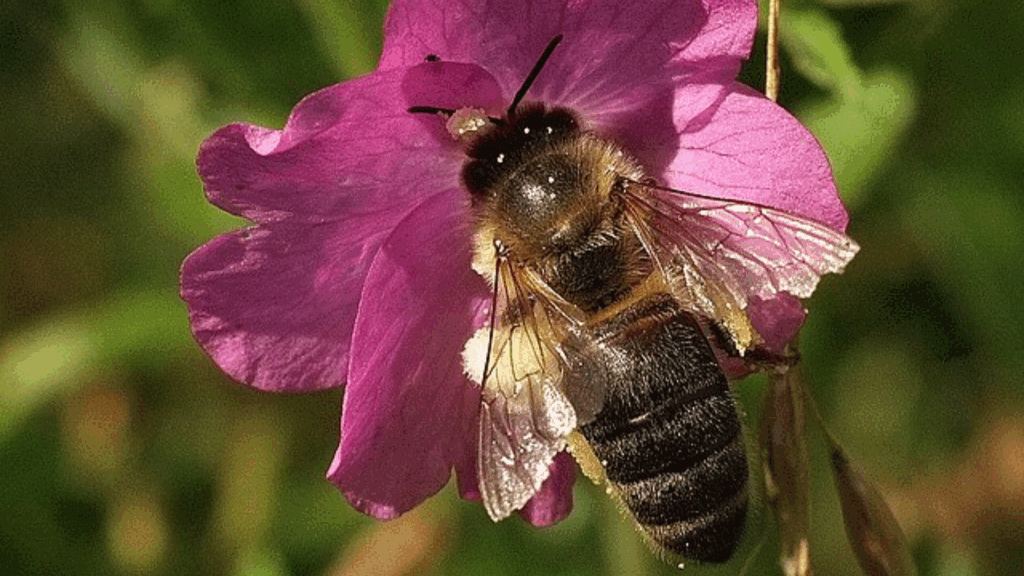
The loss of species undermines essential ecosystem services that humans rely on, such as pollination, water purification, soil health and climate regulation, raising concerns that biodiversity loss could have far-reaching impacts on agriculture, economies and human wellbeing.
Scientific Debate and Definitions

While many scientists warn that Earth is already in a mass extinction phase, some researchers argue that formal criteria for a mass extinction event, such as the loss of more than three-quarters of species, have not yet been met, and the debate continues about how to define and measure current losses.
Calls for Urgent Action

Scientists and conservation groups are calling for urgent global action, including stronger protection of habitats, reductions in greenhouse gas emissions, sustainable land use policies and expanded conservation efforts to slow and potentially reverse the accelerating loss of biodiversity.
Researchers Stress
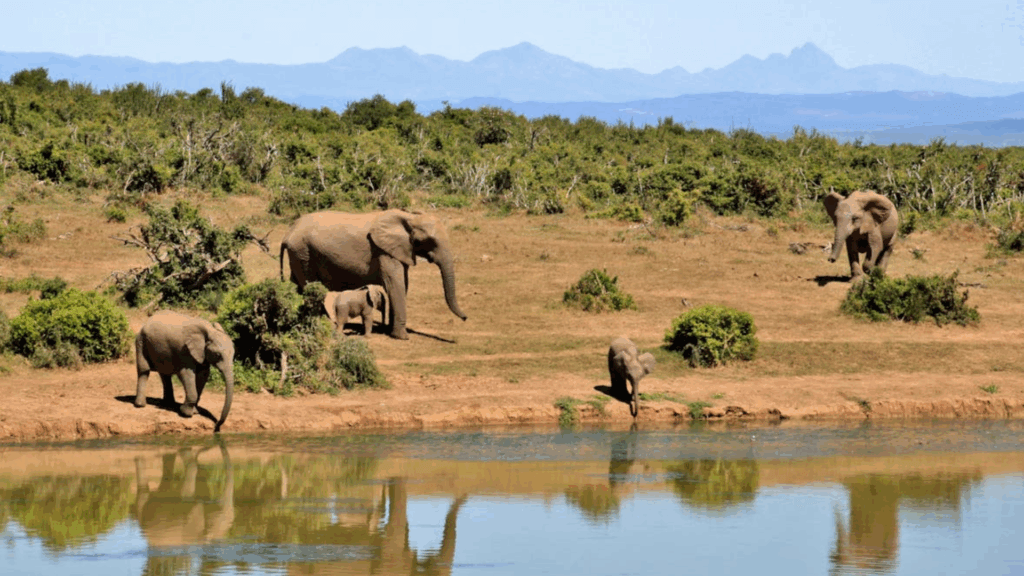
The growing scientific evidence pointing to accelerating species losses underscores a critical moment for biodiversity on Earth, and researchers stress that while the trajectory is concerning, decisive conservation and policy action could still mitigate the worst outcomes and preserve the rich variety of life that supports global ecosystems and human society.