


Products are selected by our editors, we may earn commission from links on this page.

Seattle’s move to convert city-funded apartment units into housing for people experiencing homelessness has drawn strong reactions from neighbors and local residents, who say the decision has created concerns about safety, transparency, and quality of life in nearby communities. As affordable housing projects and supportive housing expand across the city, some residents argue they were not adequately consulted before homeless housing was introduced near their homes and schools. At the same time, city leaders emphasize that these efforts are part of a broader strategy to reduce homelessness and provide stable residences for people who had been living outdoors or in shelters. Implementing taxpayer-funded housing has become a flashpoint in debates over how best to address Seattle’s long-running homelessness crisis.
What Led to the New Housing Initiative

Seattle has been grappling with one of the nation’s largest homelessness populations, with thousands of residents counted as unsheltered or in transitional housing on any given night according to local government data. Efforts to provide housing have included purchasing or converting buildings into permanent or supportive housing for people experiencing homelessness as part of a coordinated regional response. These efforts are supported by city and county funding with the goal of reducing unsheltered homelessness and connecting residents to services that can help with health care, employment, and long-term stability.
Neighbors Voice Concerns Over Safety and Engagement

Local residents have voiced frustration that they were not sufficiently informed or involved in planning decisions before an existing apartment building was repurposed to house individuals transitioning out of homelessness. Complaints from neighbors have included worries about crime, public safety, and perceived impacts on neighborhood cleanliness and quality of life, with some critics questioning whether adequate support and supervision was included in the plan. These tensions reflect broader debates in cities nationwide about balancing community input with urgent housing needs.
City Officials Defend the Housing Approach

City officials and housing advocates argue that renovating and using buildings for housing vulnerable residents is a critical part of a comprehensive homelessness strategy that combines shelter, support services, and pathways to stability. They note that strategies like these aim to reduce chronic street homelessness and connect individuals with services that help address underlying issues such as mental health and substance use. Officials maintain that community concerns are taken seriously and that outreach continues to ensure public safety and neighborhood cohesion.
Context of Seattle’s Homelessness Crisis
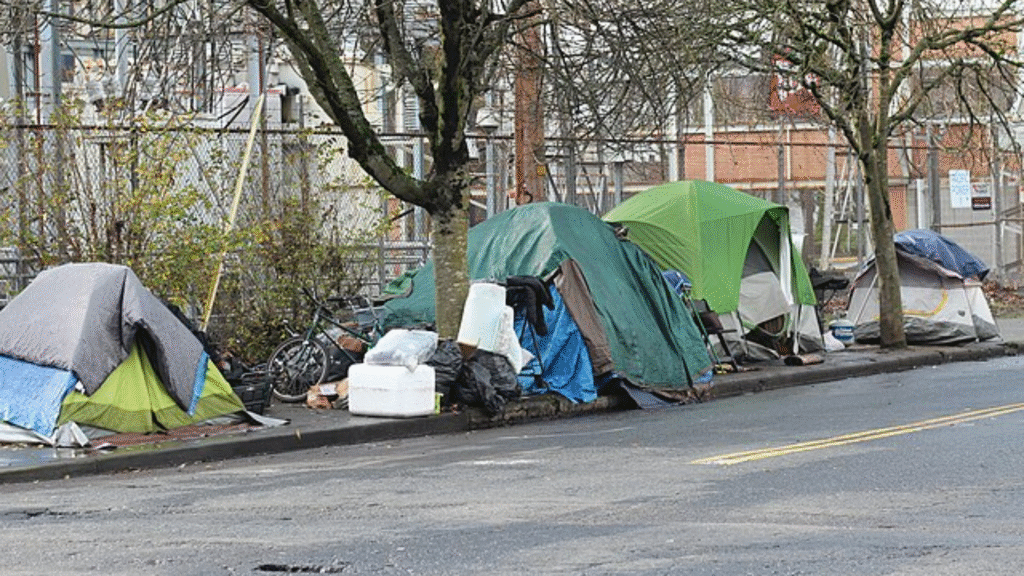
Seattle and King County have experienced significant increases in their homeless population over recent years, with public agencies collaborating on housing, emergency shelter, and prevention services. The city has allocated substantial funding to address homelessness through both shelter space and permanent supportive housing developments. However, the challenge remains deeply rooted with complex causes including housing affordability, rental costs, and unmet behavioral health needs.
Balancing Housing Needs and Neighborhood Impact
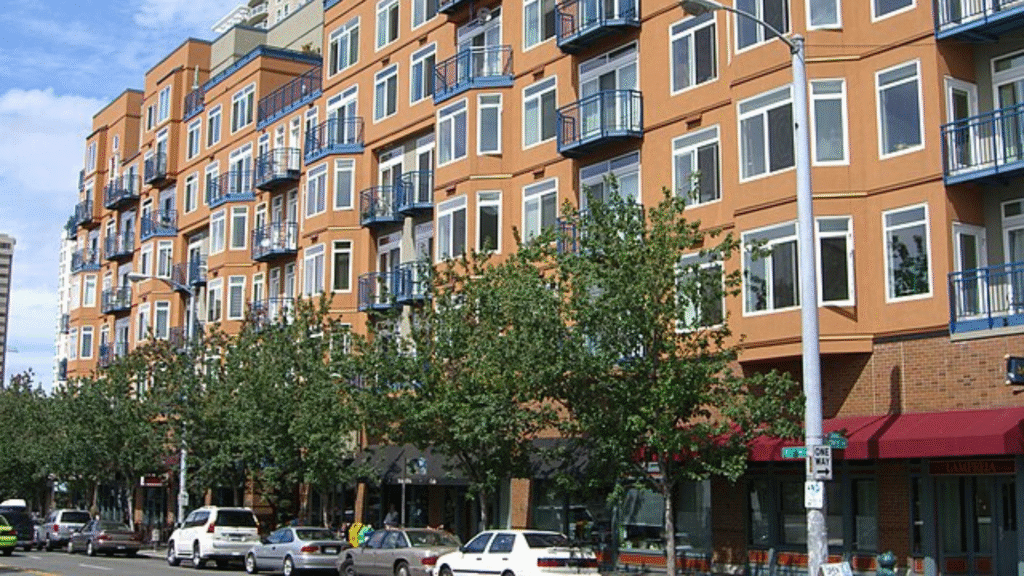
Proponents of expanding housing for people experiencing homelessness emphasize that increasing stable housing inventory helps break cycles of crisis and reduces strains on emergency services. They point to evidence that supportive housing can improve outcomes for residents and reduce costs over time by connecting people to health care and employment programs. However, community resistance in some neighborhoods highlights the challenge of implementing these initiatives in a way that builds broad support and addresses residents’ concerns about safety and communication.
Community Dialogue and Future Planning

In response to pushback, some community leaders and city representatives have held public forums and meetings to discuss the housing projects and offer updates on services and support available both to new residents and to the surrounding neighborhood. These dialogues aim to foster transparency, build trust, and identify ways to address shared concerns while advancing housing goals. The success of these discussions varies by neighborhood but represents an effort to balance urgency and community involvement.
Regional Collaboration and Investment

King County and City of Seattle have worked with nonprofit partners and regional authorities to coordinate homelessness responses that include rapid rehousing, supportive services, and long-term housing solutions. Strategic investment of taxpayer funds, federal grants, and local levies has been central to expanding housing capacity, though the pace and impacts of these programs continue to be debated among policymakers and residents alike.
What Residents Can Expect Next

As Seattle continues to pursue housing investments and supportive programs, residents should expect ongoing discussions about site selection, service coordination, and community impact mitigation. City leaders emphasize that managing the homelessness crisis will remain a priority, with efforts aimed at balancing immediate needs with long-term neighborhood stability. Both supporters and critics of housing initiatives stress the importance of communication and cooperation in shaping future housing policy.
Impact To Seattle

Seattle’s approach to using taxpayer-funded housing to address its homelessness crisis has sparked intense local debate, illustrating the complex interplay between urgent humanitarian needs and community expectations. While housing conversions offer a path to stability for people without homes, they also reveal the challenges cities face in implementing large-scale social programs in densely populated urban areas. Continued engagement between officials, advocates, and neighborhood residents will be essential to forging solutions that address homelessness while respecting the concerns of diverse communities across the region.