

Products are selected by our editors, we may earn commission from links on this page.
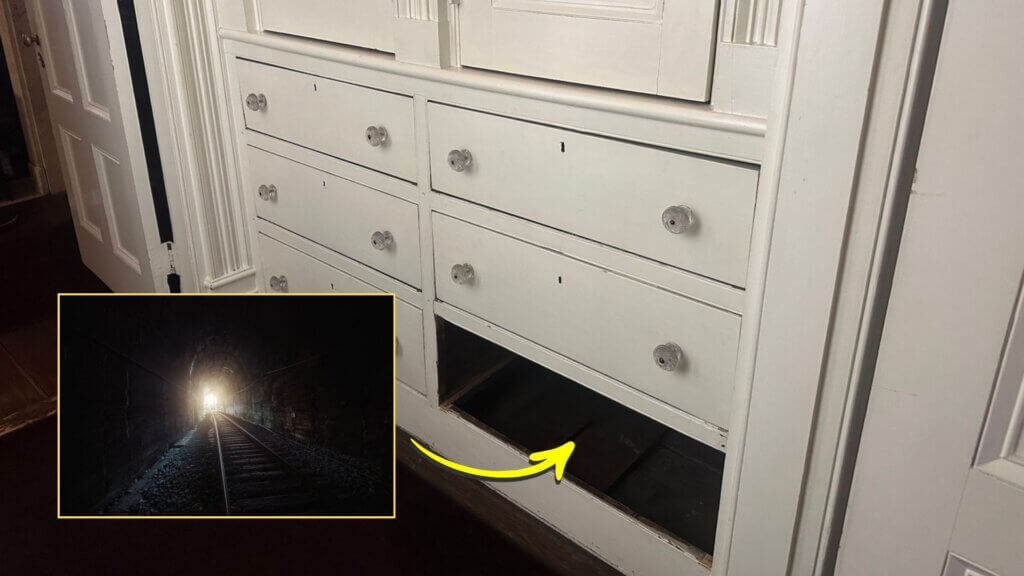
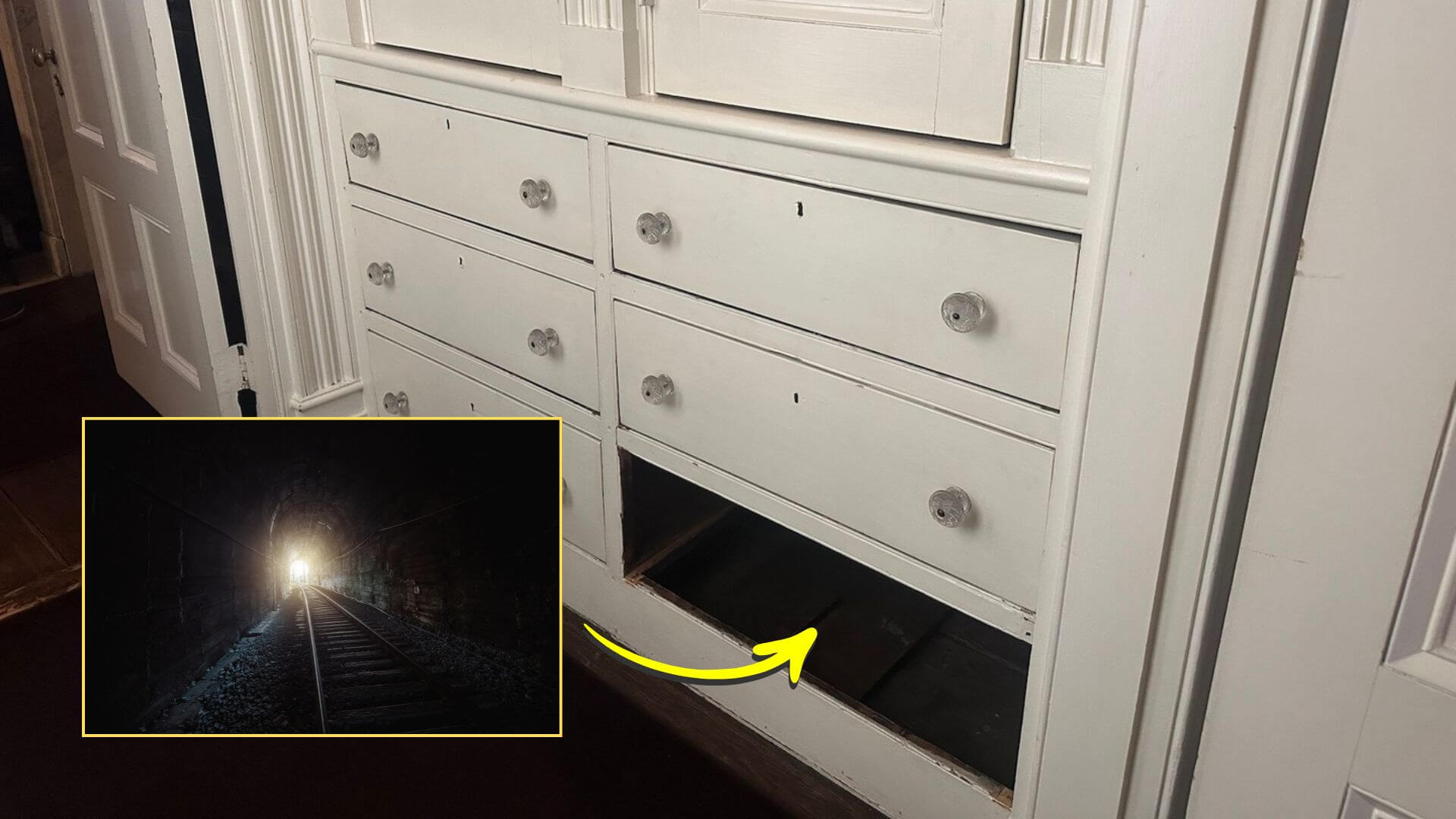
Beneath a built-in chest of drawers on the second floor of a 19th-century Manhattan townhouse sits an opening in the floorboards, about 2 feet square, that drops into a vertical shaft descending 15 feet to the ground floor. After two years of research, historians confirmed what that shaft actually was: a concealed passage connected to the Underground Railroad, hidden inside the 1832 Merchant’s House Museum.
The Man Who Built the Secret Into the House
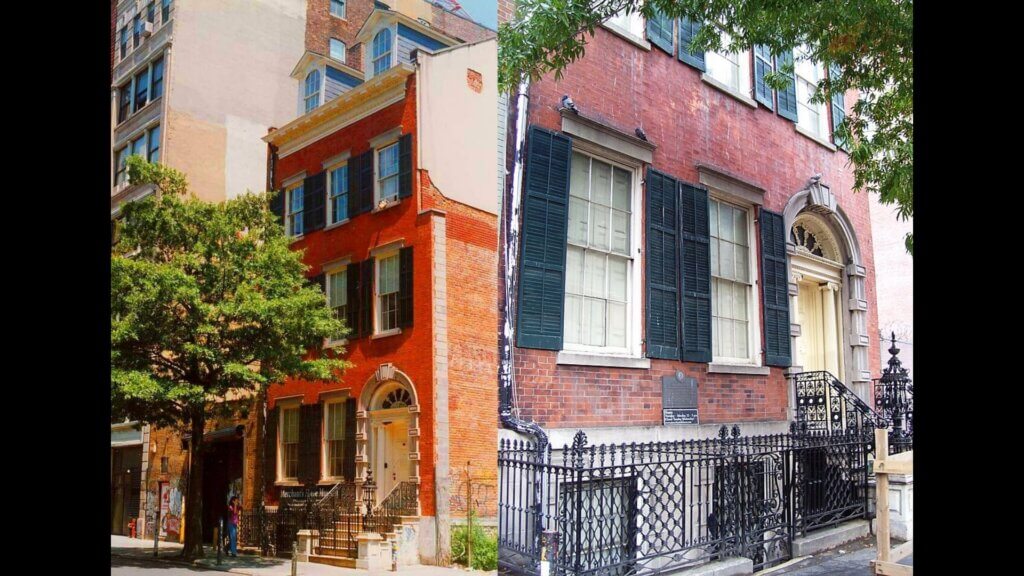
The Merchant’s House on East 4th Street in Manhattan’s East Village was built in 1832 by Joseph Brewster, a noted abolitionist. Emily Hill-Wright, the museum’s Director of Operations, told ABC News the builder “would have been intimately involved with the design of the house and construction.” Architectural historian Patrick Ciccone, speaking to Spectrum News NY1, said, “he was the builder of the house, and he was able to make these choices and design it.”
New York State Had Banned Slavery, but the City Was a Different Story

New York State abolished slavery in 1827, but the city’s economy remained deeply entangled with the slaveholding South. “At the time, it was extremely dangerous for Black New Yorkers, but it was also dangerous for the people who assisted,” Hill-Wright told ABC News. “Freedom seekers really were risking their livelihoods and their lives.” It was in that climate that Brewster built a concealed passage directly into his brand-new home.
No One Knew What They Were Looking At
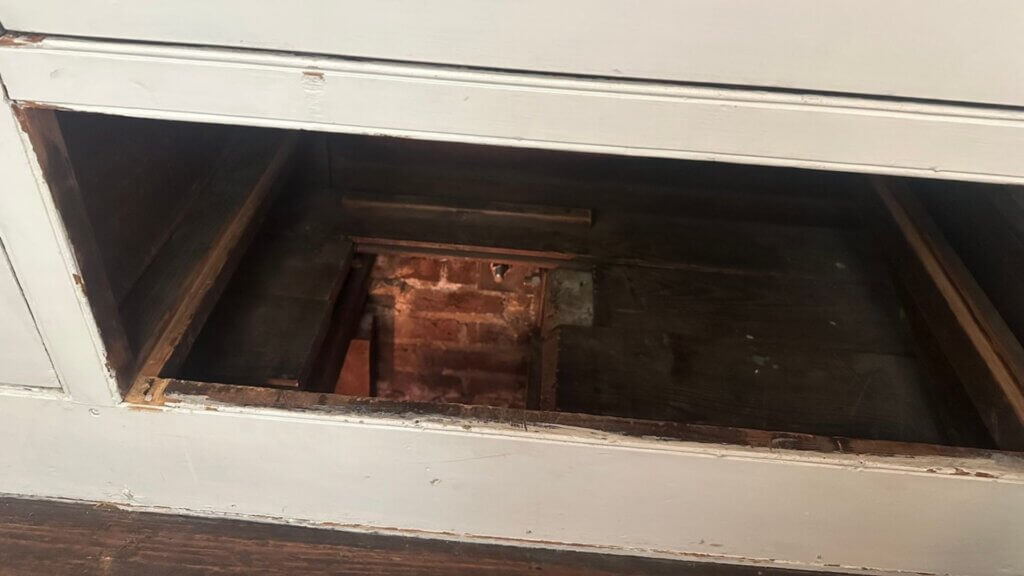
According to the museum’s institutional archives, the passage was first uncovered when painters removed the built-in drawers to paint the walls. But confirming its purpose took far longer. “We knew it was here, but didn’t really know what we were looking at,” Camille Czerkowicz, the museum’s Curator and Collections Manager, told Spectrum News NY1. Only recently did its connection to the Underground Railroad come into focus, following the museum’s extensive research effort.
The Passage Was Designed to Be Invisible to Slave Catchers or City Marshals
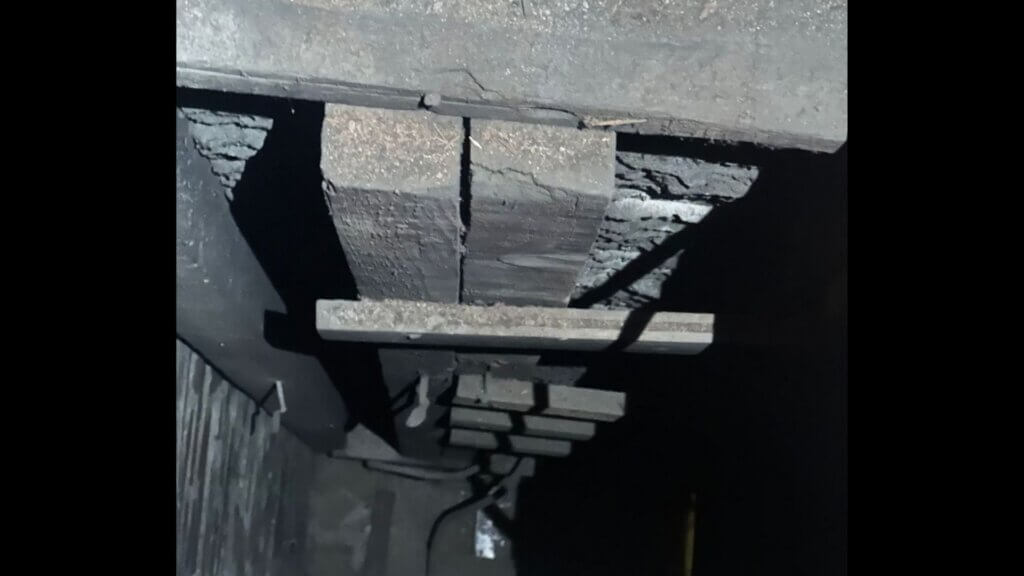
Getting to the passage means pulling out the heavy bottom drawer first, then dropping in feet-first and catching the top of a ladder to climb down. From the outside, there was nothing to find. Historians have described the passage as built specifically to evade slave catchers or city marshals. Hill-Wright confirmed there is “no domestic purpose for a passage like this.”
The Family Who Came After Brewster May Never Have Known the Passage Was There
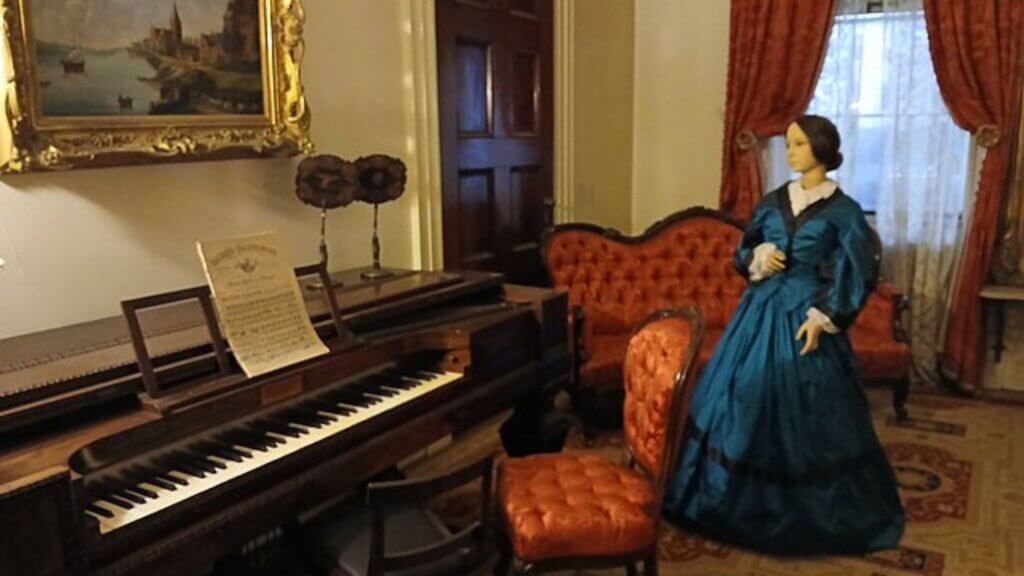
Brewster sold the property in 1835 to the Treadwell family, who lived there until 1933. Their nearly century-long residence preserved the home in remarkable detail, from its original parlor piano to a cast-iron coal-burning kitchen stove. Whether the Treadwells ever discovered the passageway, or even knew it existed, remains unclear. What happened to the passage during their nearly century-long stay is a question the historical record has not answered.
Whether Freedom Seekers Hid There or Passed Through Remains a Mystery

The kitchen and basement of the Merchant’s House were gutted in later years, taking with them any evidence that might have clarified how the passage functioned within the Railroad network. Both possibilities — a place where freedom seekers sheltered, or a corridor that moved them out of the building — remain on the table. Czerkowicz told ABC News the museum’s research has extended outward, adding that “a big part of our research has been to look for other spaces like this.”
This Is the Earliest Known Underground Railroad Site in New York City
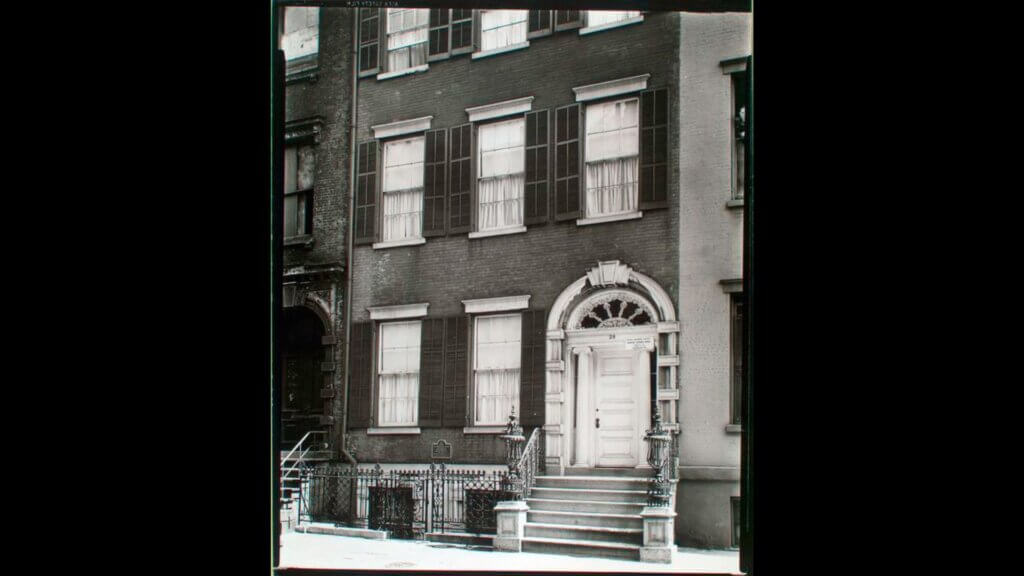
Two years of research placed the Merchant’s House as the earliest known Underground Railroad site in New York City, predating the only other intact example in the borough by nearly a decade. That site, the Hopper-Gibbons House in Chelsea, dates to 1840 and is not open to the public. No other 1830s houses have been found with architectural passageways of this kind, making the 1832 structure an anomaly.
Preservation Experts Say Nothing Like It Has Survived Anywhere in the U.S.
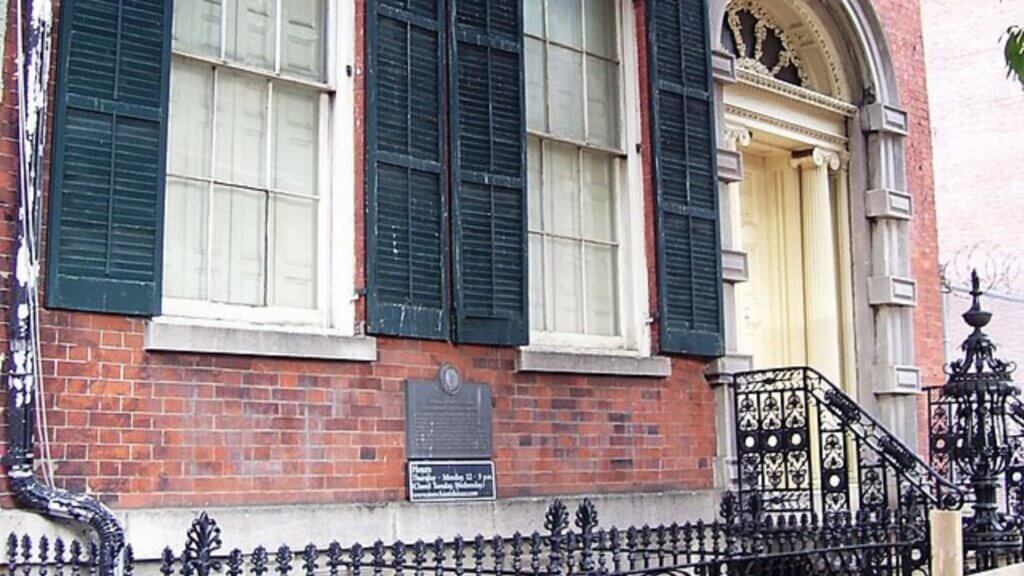
Very few physical traces of the Underground Railroad survive intact anywhere in the United States. Architectural historian Patrick Ciccone said that scarcity gives the Merchant’s House passage a huge historical significance, given how few such spaces remain. Michael Hiller, a preservation attorney and professor at Pratt Institute, called it “a generational find” and the most significant discovery in his 30 years of historical preservation law practice.
Manhattan’s First Landmarked Building Now Carries a Second, Longer-Hidden Identity

Since opening to the public in 1936, the Merchant’s House Museum has told the story of a wealthy merchant-class family and their Irish servants. That identity now expands to include the story of New York City’s early abolitionist movement and the beginnings of the Underground Railroad, a chapter the Merchant’s House Museum describes as long missing from public view. The museum plans to incorporate the discovery into its public programming and bring visitors closer to the passage than has ever been possible before.