

Products are selected by our editors, we may earn commission from links on this page.
K-beauty is no longer a niche obsession in America. U.S. sales of Korean beauty products reached $2.8 billion in early 2026, up roughly 48 percent from a year earlier, according to NielsenIQ data reported by CNBC. Now Sephora is making a major play for those shoppers by teaming up with South Korea’s Olive Young, putting some of the country’s most popular skincare brands within easy reach of millions of American consumers.
The partnership officially arrived in the U.S. on August 20 with the Olive Young K-Beauty Edit. Sephora said the collection would appear in more than 500 stores nationwide and on Sephora.com, while Korea JoongAng Daily reported a rollout across roughly 580 locations. The assortment brings together 19 Korean brands selected by Olive Young for factors including product performance, consumer popularity and trend leadership in Korea.
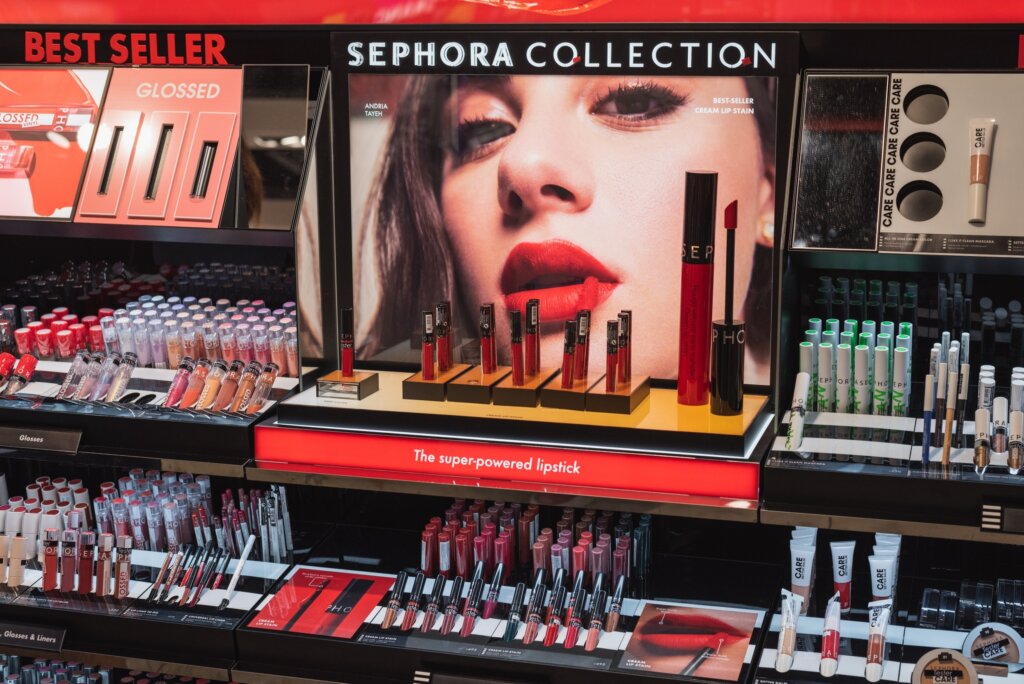
The names include Abib, Arencia, BANILA CO, BIOHEAL BOH, Cell Fusion C, ma, REJURAN Cosmetics, Torriden and WELLAGE. The selection is weighted toward skincare categories already popular in North America, including serums, creams and sun care, alongside cleansers, toner pads and sheet masks. Rather than simply adding another handful of Korean labels, Sephora is giving Olive Young its own curated presence inside hundreds of stores.
K-Beauty Has Already Become Big Business in America
The numbers help explain why Sephora is moving aggressively. K-beauty reached 28.7 percent of U.S. households in NielsenIQ’s latest yearly period, compared with 13.7 percent in 2022-23. Morgan Stanley analyst Simeon Gutman told CNBC he expects the growth to continue, forecasting approximately $4 billion in U.S. K-beauty sales in 2026 as K-culture and demand for functional skincare continue drawing consumers toward Korean products.
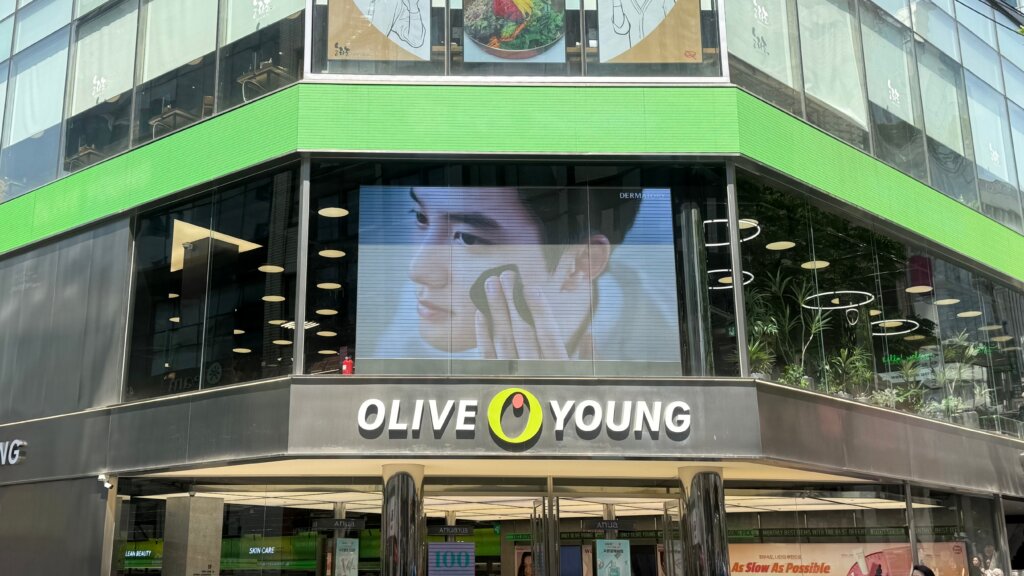
Olive Young has already seen that enthusiasm at street level. When its first U.S. store opened in Pasadena, California, in May, shoppers camped outside, and the line stretched for multiple blocks. The company said roughly 6,000 customers visited during opening weekend, with the store later averaging more than 1,600 visitors each day. A second location followed at Westfield Century City in Los Angeles, giving the retailer another foothold before the Sephora expansion.
Part of K-beauty’s appeal comes from a skincare-first approach that American consumers have increasingly embraced. NielsenIQ beauty thought leader Anna Mayo told CNBC that shoppers became familiar with detailed routines, product ingredients, and the pursuit of healthy, glowing skin during K-beauty’s earlier rise. Sephora executive Carolyn Bojanowski told Forbes that Korean skincare is also known for quickly introducing new technologies and formats while keeping effective products at approachable prices.
Sephora Wants to Bring an Online Beauty Boom Into Stores
Much of K-beauty’s American success has developed online, where consumers can discover unfamiliar products through social media and buy them through platforms such as Amazon and TikTok Shop. But NielsenIQ’s Mayo sees significant room for physical retailers to capture more of that business. Sephora gives consumers something online discovery cannot always provide: the ability to encounter Korean brands in a familiar store and explore products without ordering from overseas.
Sephora is not alone in chasing that opportunity. Target told CNBC that it quadrupled its K-beauty assortment in the spring, adding more than 150 products and over 10 new brands across skincare, makeup and hair care. Ulta Beauty has also pointed to Korean brands including Medicube, Peach & Lily and Anua when discussing category performance, showing how quickly K-beauty is spreading across both prestige and mass-market American retail.
Sephora is giving its partnership extra visibility beyond regular shelves. The launch includes a dedicated Olive Young K-beauty space at Sephora’s Times Square flagship in New York City. Korea JoongAng Daily also reported plans for pop-up trucks outside selected Sephora locations in New York, Miami, and Austin, offering samples and photo displays. Olive Young plans to update the brand and product assortment twice yearly based on local demand, keeping the selection responsive to shoppers.
Easier Access Does Not Always Mean the Lowest Price
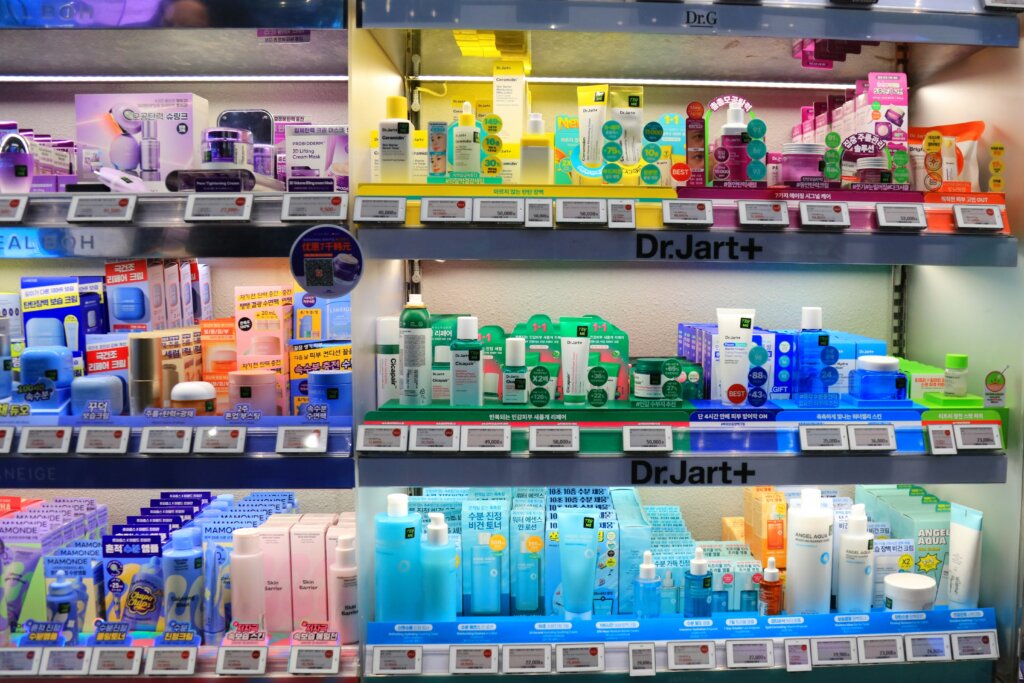
The Sephora rollout solves one problem for K-beauty fans, but it has also raised another: price. In a Reddit discussion about the launch, shoppers compared Sephora with Olive Young and other specialist websites. One graphic posted in the discussion compared six matching products and found a combined price of $159 at Sephora versus $124.68 at Olive Young, a difference of $34.32 based on prices listed on August 20.
Several commenters said they would continue buying directly from Olive Young, specialist K-beauty websites or official brand stores when prices were lower. Others raised concerns about counterfeit products when shopping through third-party marketplaces, illustrating why trusted retail access still has value even when it costs more. The discussion points to the tradeoff Sephora faces: its stores make Korean skincare easier to find and test, but experienced shoppers may still compare prices elsewhere before purchasing.
That affordability could have consequences beyond this partnership. B. Riley Securities analyst Anna Glaessgen told CNBC that K-beauty’s lower prices could pressure average spending in prestige skincare. Younger consumers who find effective products costing $20 or $30 may be less willing to trade up to products costing far more. With Sephora and Olive Young planning expansion into additional global markets, K-beauty’s next chapter may reshape not only what Americans buy, but what they expect beauty to cost.