


Products are selected by our editors, we may earn commission from links on this page.

A pricier bottle doesn’t automatically mean healthier hair. If your strands have been drier, your scalp itchier, or you’re noticing more hair in the shower drain than usual, the problem might not be your routine at all. It could be sitting right there in the ingredient list of the shampoo you reach for every single day.
Hair care marketing tends to focus on what a shampoo adds: shine, volume, softness. Rarely does it mention what a formula might be quietly stripping away in the process. Some of the most common ingredients in mainstream shampoos are built to clean aggressively, and aggressive cleaning doesn’t always know when to stop at “clean” and start tipping into “damaged.”
Three categories of ingredients show up again and again in dermatology research tied to dry, brittle, breakage-prone hair and scalp irritation that can contribute to shedding. None of them are rare or hard to find. In fact, there’s a good chance at least one is currently sitting in your shower.
Overusing Clarifying Shampoo Can Strip More Than Just Buildup
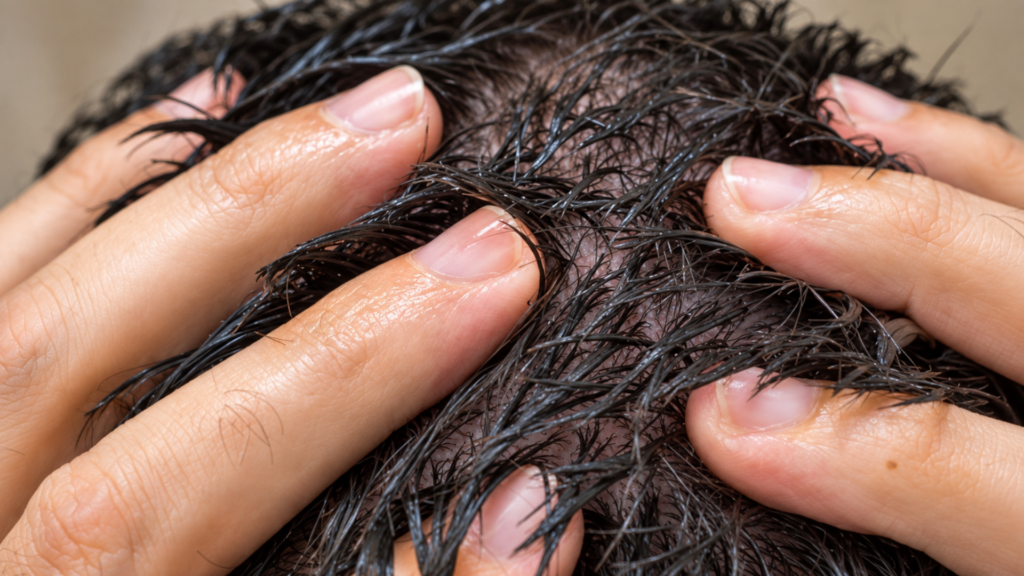
Clarifying shampoos are designed to deep-clean the scalp, cutting through product residue, oil, and dirt that regular formulas leave behind. Used occasionally, that’s a real benefit. Used as a daily or even weekly habit, the same deep-cleaning power starts removing the natural oils your hair and scalp actually need to stay flexible and strong.
Dermatology sources generally recommend clarifying shampoo no more than once every one to two weeks for most hair types, and even less often for dry or color-treated hair, where the stronger surfactants can accelerate fading and strip protective oils faster than the hair can replenish them. Overuse tends to show up first as dryness, then as brittleness.
Once a scalp gets stripped past a certain point, it doesn’t just feel tight or flaky. It can overcorrect, producing more oil to compensate or becoming irritated enough to disrupt its normal shedding cycle. That imbalance is where “squeaky clean” quietly turns into a contributor to hair loss instead of a fix for it.
Harsh Sulfates Create the Lather, but Sensitive Scalps Pay for It
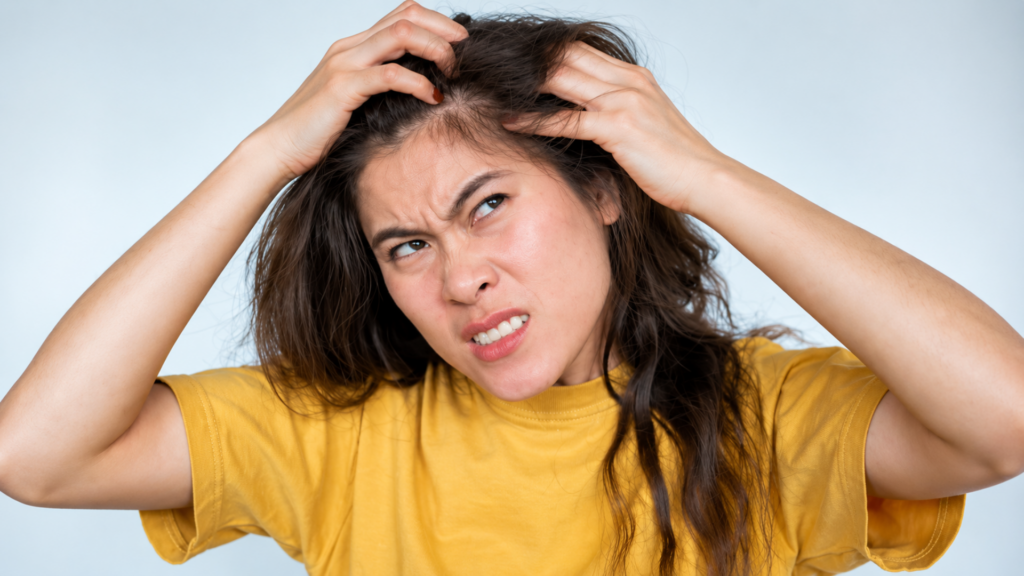
Sulfates like sodium lauryl sulfate (SLS) are the reason shampoo foams up so dramatically. “They aid in the process of lifting oil, debris and dirt from hair shafts and allowing them to be rinsed out easily,” explained Dr. Brendan Camp, a double board-certified dermatologist at MDCS Dermatology in New York City. That same lifting power is exactly what makes sulfates so effective, and so potentially harsh.
For dry or already-fragile hair, that stripping effect can leave strands feeling rough and dull, with a higher likelihood of breakage over time. The scientific evidence tying sulfates directly to hair loss is thinner than social media claims suggest, but scalp irritation is real and well-documented, particularly for anyone with sensitive skin.
That irritation matters more than it might seem. A chronically irritated scalp can disrupt the normal hair growth cycle, and dermatology researchers have noted that shampoo and conditioner are the hair care products most commonly linked to irritant contact dermatitis, largely because of how common harsh surfactants are in everyday formulas.
That “Luxurious” Scent Could Be Quietly Inflaming Your Scalp
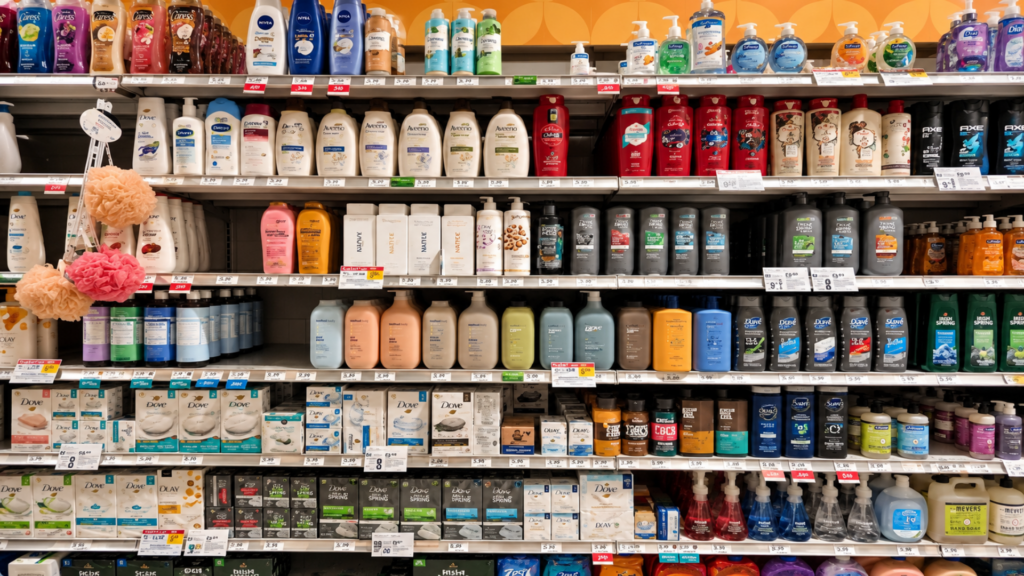
Fragrance is often the first thing people notice about a shampoo, and the last thing they’d suspect of causing a problem. But synthetic fragrance blends are a mix of multiple chemical compounds, and dermatology sources have identified fragrance as one of the leading triggers of both allergic and irritant reactions in hair care products.
The tricky part is that fragrance sensitivity doesn’t always show up immediately. It can build quietly over months or years of repeated exposure to the same scented shampoo before a scalp finally reacts with redness, itching, or dryness. By the time symptoms appear, most people never think to blame the bottle they’ve used without issue for so long.
None of this means every shampoo on the shelf is secretly working against you. It means the ingredients doing the heaviest lifting, deep-cleaning agents, foaming sulfates, and synthetic scent, are also the ones most likely to overwhelm a scalp that’s already stressed. Reading the label before reaching for the bottle is a small habit that protects a much bigger investment: the hair you’re trying to keep.