


Products are selected by our editors, we may earn commission from links on this page.

Twenty times, Ranim Haddad lost a pregnancy, and no doctor could tell her why. Over 11 years, the Alsip, Illinois, woman says she was “basically pregnant twice a year,” chasing a family she had imagined since girlhood. Now 36, Haddad endured losses far later in pregnancy than those 20 miscarriages, and she kept it all private for years. Her story starts with a wedding, a childhood wish for four children and a first pregnancy that filled the couple with excitement.
Married at 24, Haddad Pictured Two Daughters and Two Sons

Haddad has wanted to be a mother since girlhood, picturing two daughters and two sons. She and her husband, Fuad, began trying soon after their wedding, and her first miscarriage came at 25. Doctors offered no explanation, only encouragement. More losses followed, and she kept them private, ashamed, while friends celebrated healthy pregnancies. Recurrent loss affects roughly 1% of couples, according to UCSF Health. “I can’t keep doing this to my body and to myself,” she told USA Today. By 2018, her doctor had a new suggestion.
About Eight Embryos Gave Haddad Hope in 2018, Until Two Transfers Fell Through
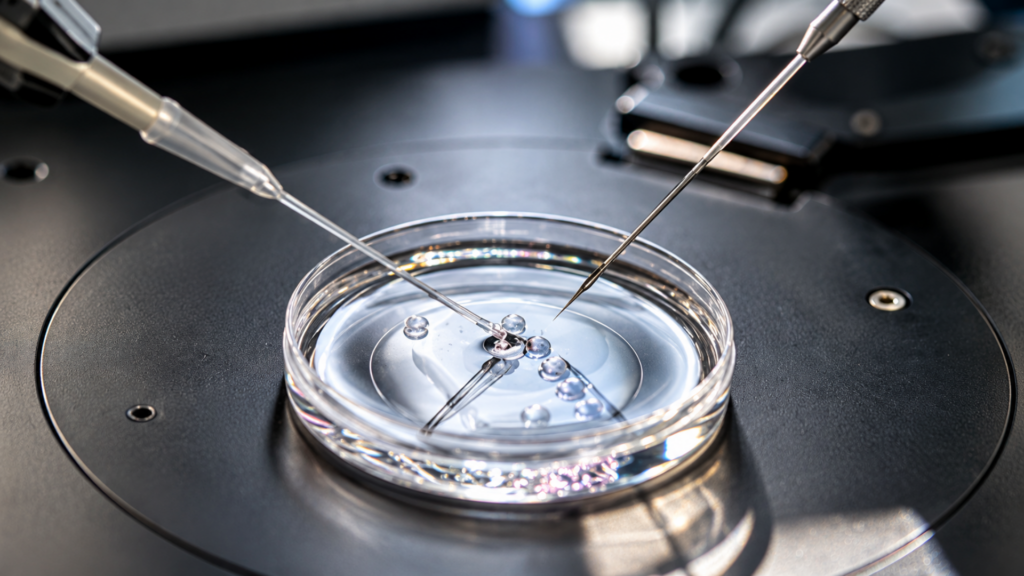
IVF produced roughly eight healthy embryos with encouraging genetic results, according to People. The first transfer ended in a miscarriage at nine weeks, and the second never took. Haddad told her husband she needed a long break from trying. In March 2020, the couple placed their remaining embryos in long-term storage. Two months later, they learned she was pregnant again, with no medical help at all.
About 100 Guests Learned Haddad Was Expecting a Girl at 18 Weeks

This pregnancy offered something earlier ones never had. At an ultrasound, Haddad and her husband finally heard a heartbeat and saw their baby on screen, since previous losses had come too early for imaging. Around 18 weeks, they hosted a gender reveal for roughly 100 guests and announced a girl. They named her Miracle. A day later, Haddad felt a sudden gush of fluid.
Miracle Haddad Was Born Aug. 12, 2020, Weighing Less Than a Pound
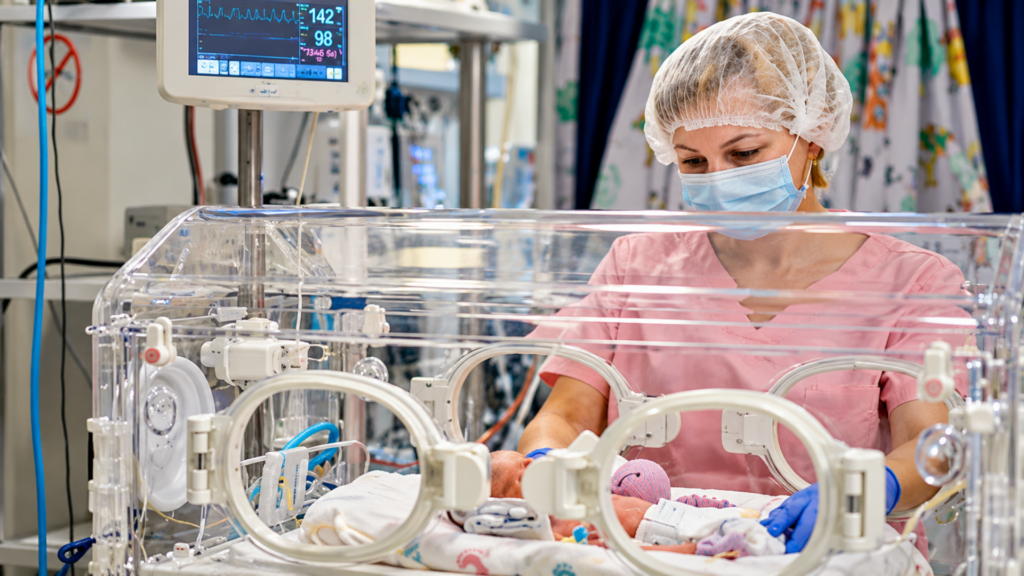
Hospital staff examined Haddad that first day, saw nothing alarming and sent her home. The next day, a complication sent the couple back to the emergency room, where the obstetrician on call said Miracle could not survive. Haddad was in labor while being told to start planning a funeral. Miracle was born on Aug. 12, 2020, and her heart stopped. Another miscarriage soon followed. Then Haddad’s regular obstetrician said the help she could offer had run out.
A Rare Diagnosis at 14 Weeks Left Haddad With One Question for Her Specialist

Her referral led to Dr. Susan Gerber, a maternal-fetal medicine specialist at Northwestern Medicine. Repeat testing matched the earlier results: nothing abnormal. Gerber could help her conceive, she said, but could promise little beyond very close monitoring. Haddad then became pregnant with a boy, and early checkups looked reassuring. Around 14 weeks, doctors diagnosed sirenomelia, a rare condition in which the baby had no kidneys, so no amniotic fluid formed and his lungs could not develop. Haddad asked whether he could survive.
Samuel Was Born Feb. 2, 2024, at About 29 Weeks, With a Full Medical Team Waiting
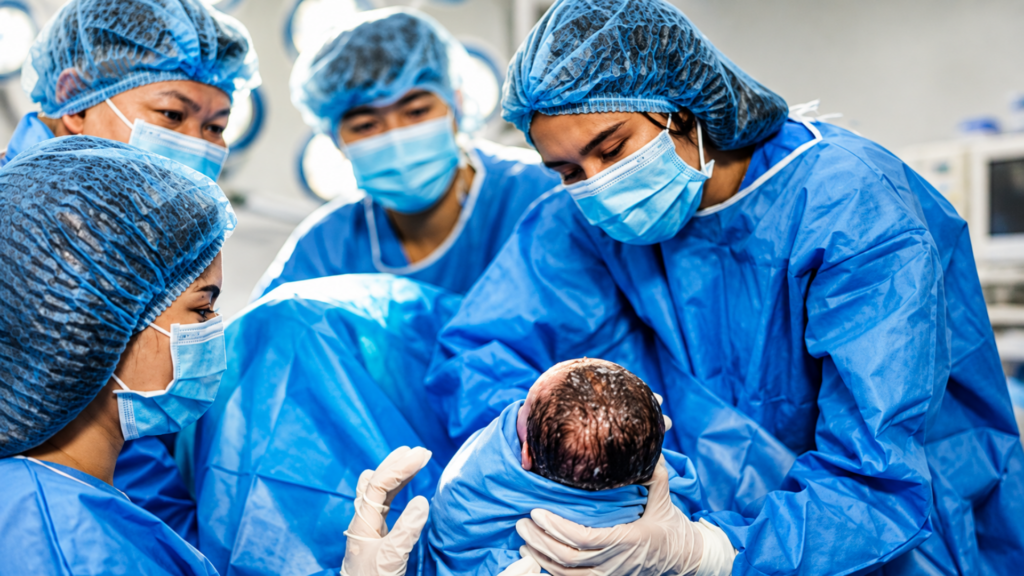
Gerber told her survival was very unlikely, even at full term. The couple was offered the option of ending the pregnancy and chose to continue, guided by their faith. Haddad went into labor around 29 weeks, and Samuel arrived on Feb. 2, 2024, weighing about three and a half pounds. A team of specialists waited, though everyone knew the odds, and they tried everything to save him. Then the doctor came over with a question for Haddad.
Two Identical Coffins Pushed the Haddads to Move, Sell Their Gas Station and Start Over

The doctor asked whether she wanted to hold Samuel until his heart stopped. She did, for hours, and the family took photos with him. He was buried beside his sister, Miracle. Returning to the funeral home brought the first loss rushing back. Soon after, the couple moved to a smaller apartment, sold the gas station Fuad had owned with his father and took new jobs. Haddad chose part-time work with fewer demands, leaving room for appointments. In February 2025, she was pregnant again.
Weekly Appointments, a Stitched Cervix and Pre-eclampsia Marked Haddad’s Final Pregnancy
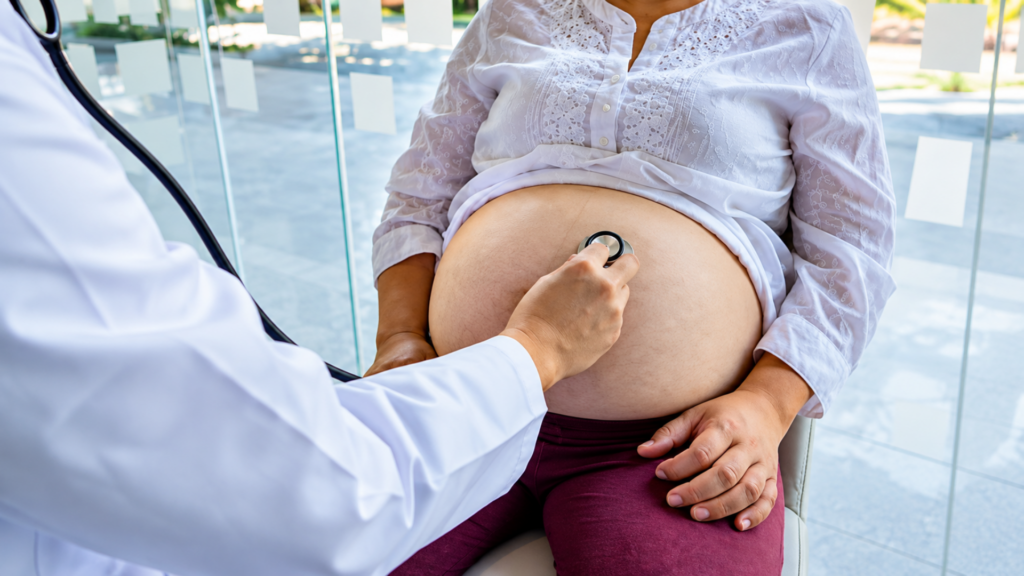
Haddad saw Gerber every week this time, and each visit ended with the same report: everything looks perfect. She stayed guarded, telling her husband that more excitement would only deepen any disappointment. Late in the pregnancy, Gerber placed a stitch in her cervix to prevent early birth. Haddad developed gestational diabetes and pre-eclampsia, and doctors admitted her at 35 weeks. They induced labor at 37 weeks, and when her son arrived on Oct. 1, 2025, he did not cry for the first 15 seconds.
Emmanuel Turned 1 on Oct. 1, and Doctors Still Cannot Say What Changed

Then Emmanuel cried. Fuad was recording, and the video captures Haddad repeating “thank God” as nurses placed the 7-pound, 12-ounce boy in her arms, the chance “to finally hold a live, crying baby.” He turned 1 on Oct. 1, 2026. Exhaustive testing at Northwestern Medicine never produced a cause for the losses, and Haddad hopes to have more children. Gerber credits her patient’s persistence: “She just wouldn’t take no for an answer.”