

Products are selected by our editors, we may earn commission from links on this page.
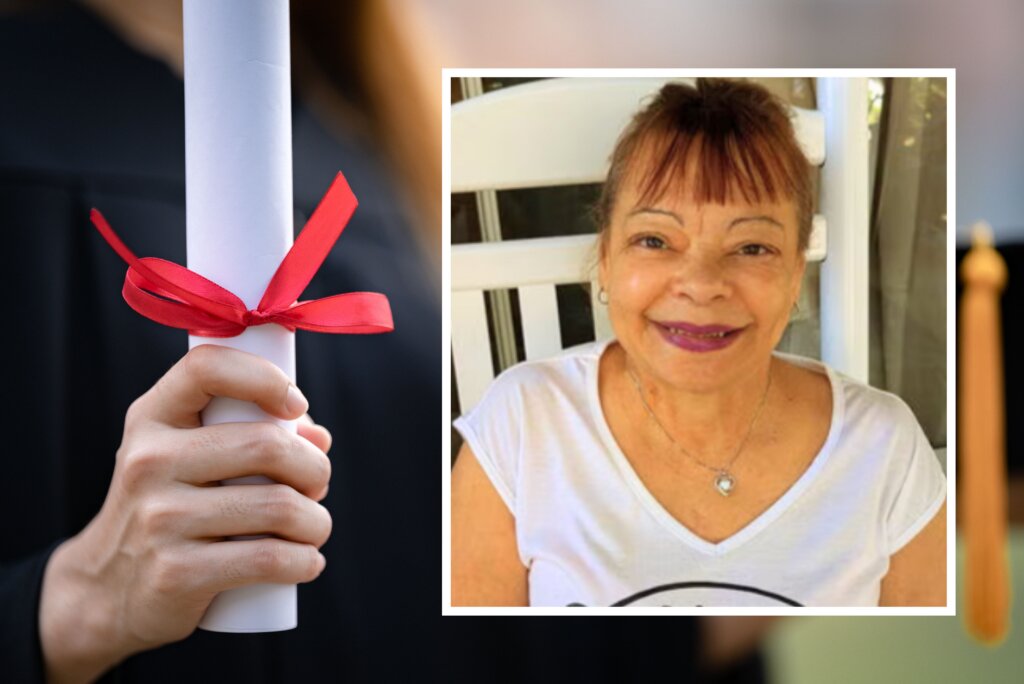
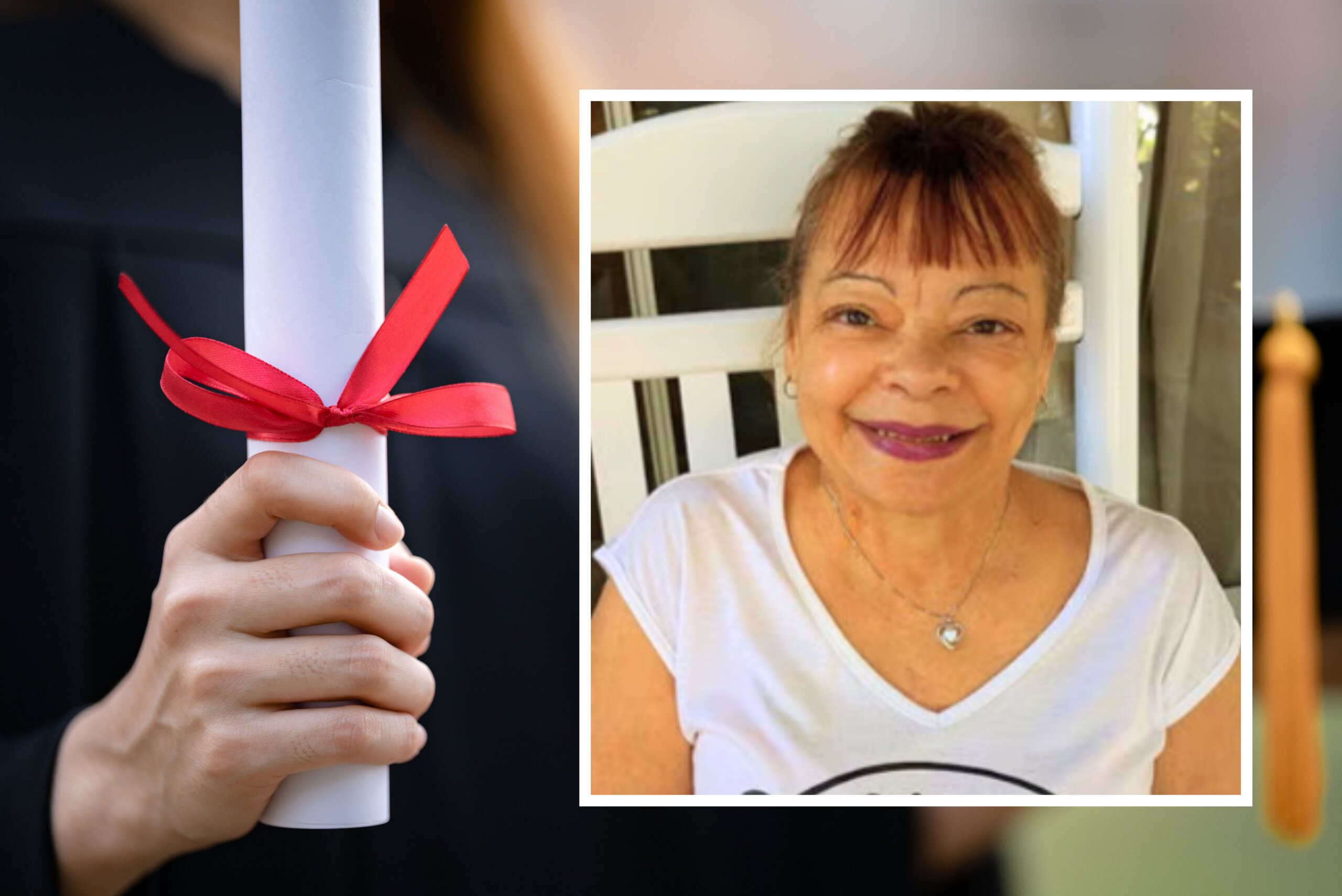
There are plenty of reasons a college dream can get pushed aside. A career takes over, bills pile up, children need raising, and suddenly years have passed. Irma Garcia knows that feeling better than most. She spent decades carrying an unfinished educational goal alongside everything else life demanded of her. Then, at an age when many people are settling into retirement, she returned to the classroom. How she finally got there also reveals something many older adults may not realize about going back to school.
Her Education Took a Detour
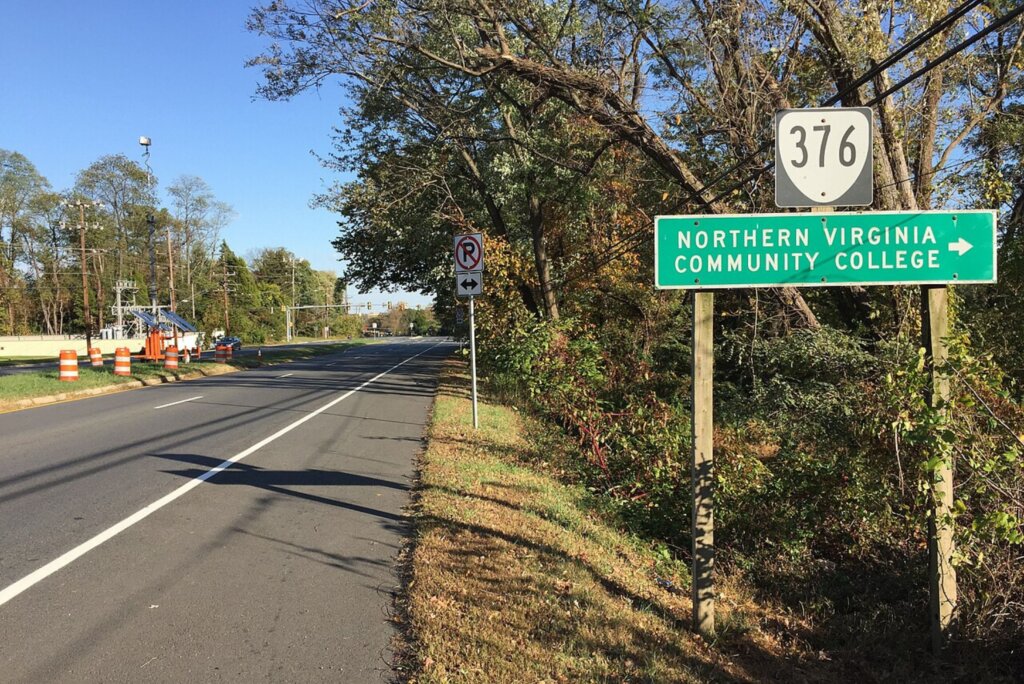
Originally from Puerto Rico, Garcia moved to the Washington, D.C., area in 1978 while raising three young daughters and eventually settled in Virginia. She earned a general studies degree from Northern Virginia Community College and worked various jobs, mainly in local government and nonprofits. Helping people became a recurring theme in her career, but she still wanted a bachelor’s degree. Garcia even took a couple of classes at George Mason while working, sometimes two jobs, and caring for her family. Eventually, exhaustion won. “I stopped because it was just too hard for me,” she recalled.
The Goal Never Completely Went Away

Putting college on hold did not mean Garcia stopped thinking about it. Five years before graduating, she enrolled in George Mason’s Schar School of Policy and Government to study public administration. This time, her children were grown, and her eight grandchildren became part of her support system. Five had already graduated from college themselves, so they could offer their grandmother tips about student life. NBC4 captured another sign of how seriously she approached the return: notebooks packed with handwritten notes from the classes she took while working toward her degree.
She Became the Classroom’s “Abuela”
Garcia said she never felt hesitant about being a nontraditional student. Instead, she made friends with classmates young enough to be her grandchildren and affectionately became the room’s abuela, or grandmother. She also recognized parts of her own experience in younger students balancing work and academics, including immigrants and children of immigrants. That connection matters because returning to school later in life can offer more than a credential. Fairfax County’s Department of Family Services notes that lifelong learning can provide benefits such as mental stimulation and increased self-esteem while creating opportunities to engage with other people.
Going Back May Be Cheaper Than You Think

Garcia’s return was helped by George Mason’s Senior Citizen Waiver Program, which allowed her to take classes while pursuing her degree. Similar opportunities extend far beyond one university. Many states and public college systems offer older residents some form of reduced or waived tuition, although eligibility varies by age, residency, income and whether a student wants academic credit. Some programs only permit seniors to audit courses, while others allow classes to count toward a degree or certificate. Extra costs such as textbooks, laboratory charges and campus fees may still apply.
Virginia Gives Older Students Several Options
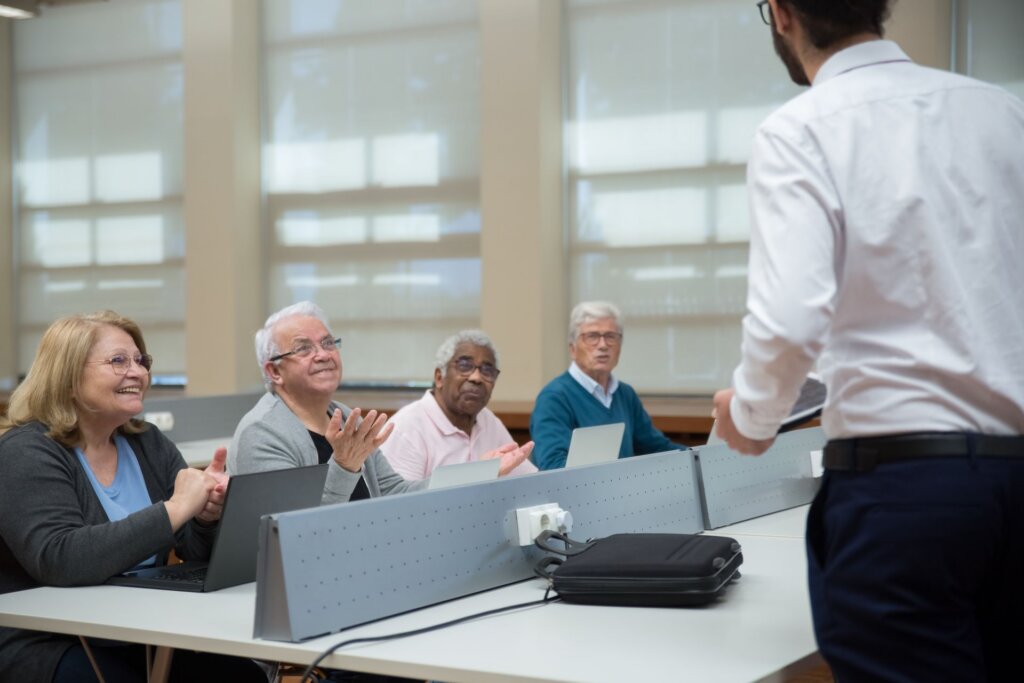
In Garcia’s home state, the Senior Citizens Higher Education Act gives Virginia residents 60 and older who meet residency requirements opportunities to attend public colleges. Older adults can audit up to three courses per term without an income requirement, while tuition-free credit courses have additional eligibility rules. Enrollment can depend on available space, with degree-seeking, tuition-paying students receiving priority. That distinction is important for anyone inspired by Garcia’s story: “free college for seniors” does not necessarily mean unrestricted enrollment, so prospective students need to check their state and institution’s requirements carefully.
You Don’t Have to Chase a Degree
A diploma is only one reason to return to a classroom. Northern Virginia’s Lifetime Learning Institute offers adults 50 and older noncredit classes spanning history, science, technology, financial planning, politics, art, and other subjects. George Mason’s Osher Lifelong Learning Institute similarly combines courses with lectures, clubs, outings and social events. Fairfax County Public Schools also offers adult education ranging from career readiness to photography and culinary arts, with eligible residents 62 and older receiving discounts on some classes. For someone who simply misses learning, there are routes back that do not involve exams or graduation requirements.
Her Family Got to Watch Her Finish
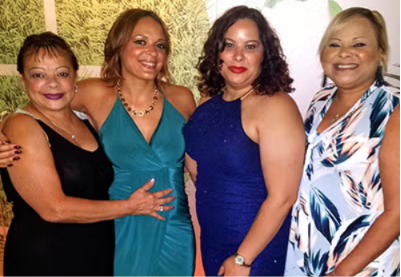
Garcia’s graduation carried an unusual symmetry. Raising her three daughters was part of why finishing college became so difficult, but decades later that family became her cheering section. Her children and grandchildren celebrated as she prepared to complete the degree she had once put aside for them. Garcia joked to NBC4 that she would be jumping with excitement if she still could. George Mason reported that one daughter and three grandchildren planned to attend her Schar School degree celebration, turning a personal academic milestone into a multigenerational family moment.
Graduation Isn’t Her Retirement Plan

Garcia earned a bachelor’s degree in public administration at 72, but she does not intend for it to simply hang on a wall. Although semi-retired, she hopes to find part-time work with a nonprofit and continue helping people access resources that can make them more self-sufficient. That ambition brings her education back to where her working life had already taken her: local government, nonprofits and public service. Instead of reinventing herself completely, the degree gives Garcia another way to build on work she already found meaningful.
More Classroom Doors Are Opening

Garcia’s path is unusually long, but the opportunity she used is not unique. Tuition waivers, auditing programs, and lifelong-learning institutes give older adults across much of the country ways to return, though the rules differ significantly by state and school. For someone who once assumed college had passed them by, discovering those programs may be the first step. Garcia’s own advice leaves room for detours: “Maybe it won’t happen immediately.” Her degree took decades. What matters now is that the next person with an unfinished goal may not have to assume their chance has expired.