

Products are selected by our editors, we may earn commission from links on this page.
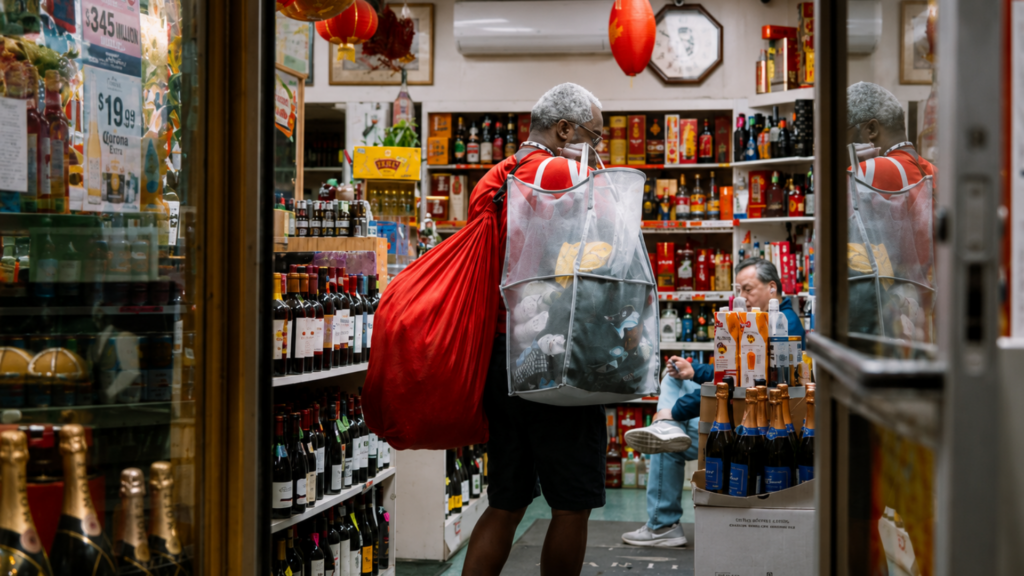
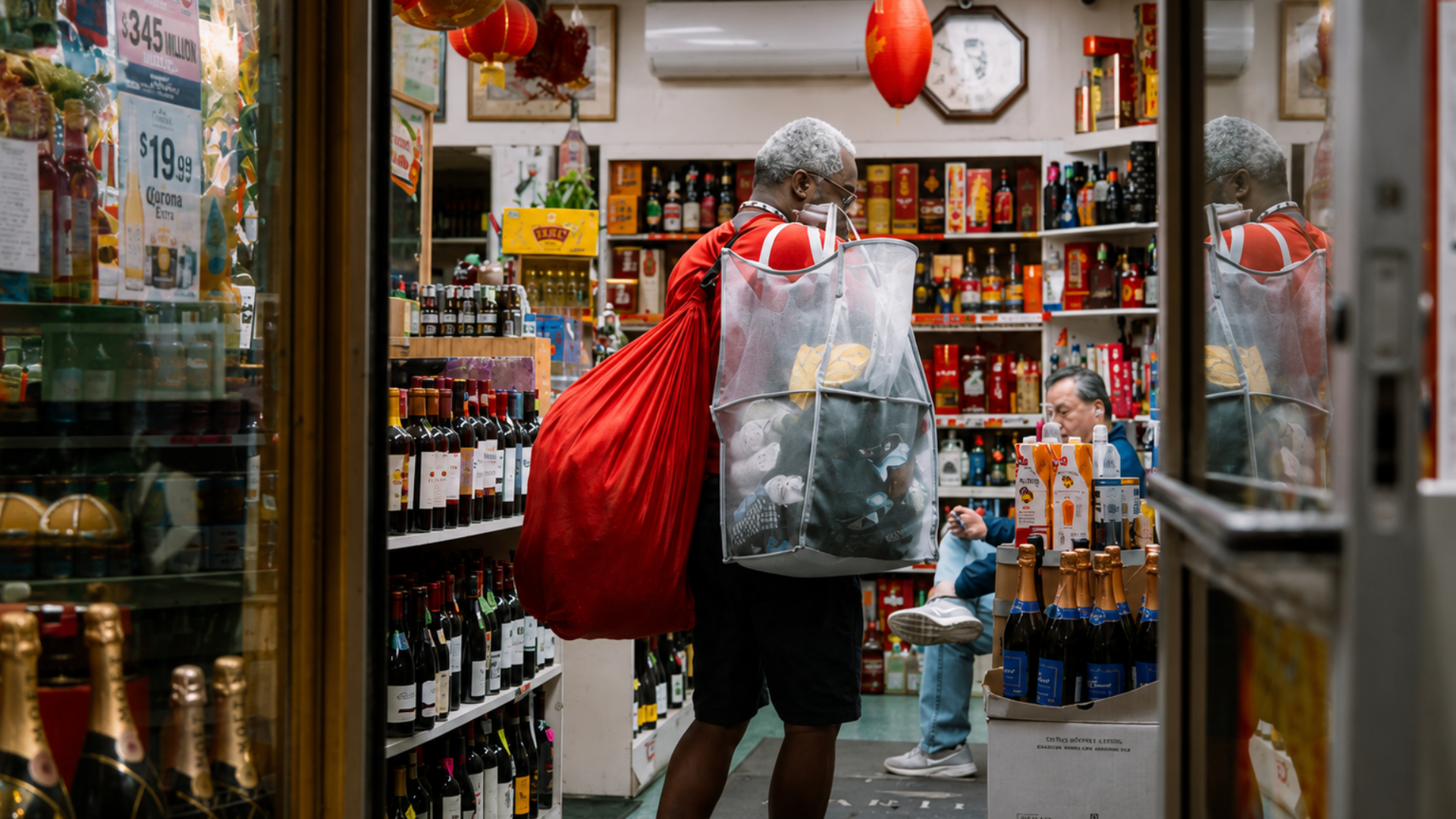
A 30% discount on meat and produce sounds like a win for anyone struggling to afford dinner. For the bodega owner down the block, it sounds like a threat to survival. Mayor Zohran Mamdani unveiled plans for five city-owned grocery stores this week, one in each borough, promising deep discounts funded by taxpayers. Critics call it a step toward socialism. Small grocers call it something else entirely: unfair competition they can’t match.
Mamdani Announces the Plan From a Brooklyn Warehouse

Standing in front of a display of fruits and vegetables at a Brooklyn warehouse, Mamdani laid out his vision on Monday. The city-owned stores will offer 30% off produce, meat, and other kitchen staples, aimed squarely at offsetting food prices in one of the most expensive cities in America. “30% off adds up to real money for New Yorkers,” Mamdani said, according to the Associated Press. He framed it as a matter of basic dignity for working families.
The Discount Covers More Than Just Meat and Vegetables
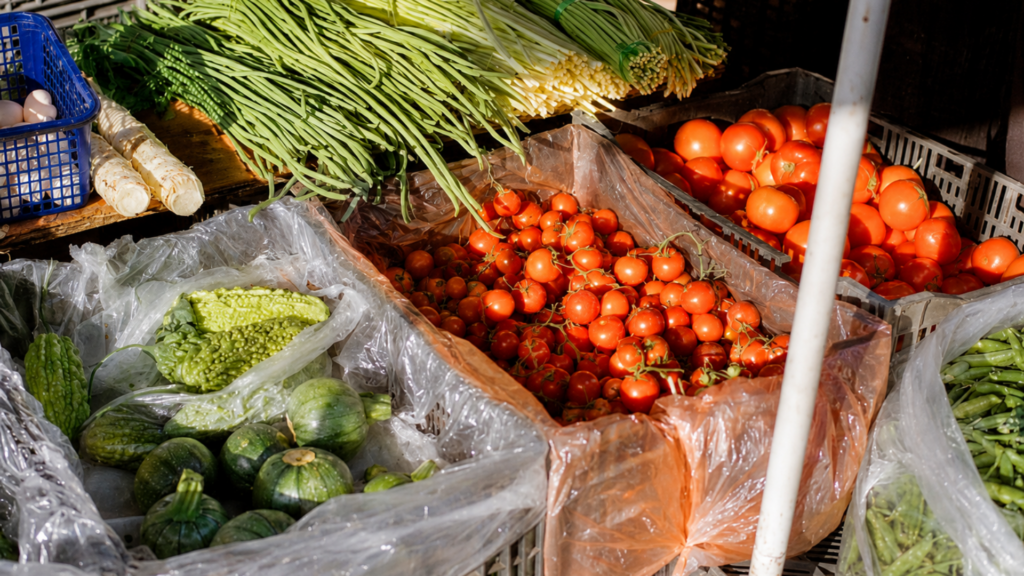
The savings extend well beyond the headline items. According to Mamdani’s office, the discount basket includes all fresh produce, meat, and seafood, plus roughly 20 additional categories of pantry staples, dairy, and refrigerated goods. Officials say the discount applies to every shopper, regardless of income, a deliberate design choice meant to avoid the means-testing that limits participation in many assistance programs. The goal is simple: predictable, guaranteed savings on the groceries families buy every week.
Prices Will Lock In Monthly, Not Fluctuate Like Retail
Unlike a typical supermarket where prices creep up week to week, Mamdani said the five subsidized stores will set prices for a core basket of goods once a month, based on typical prices for those same items. That means no surprise markups at checkout. Mamdani argued this stability matters most for seniors on fixed incomes and parents managing tight grocery budgets, according to remarks reported by Gothamist. The city has already opened bidding for private operators to run daily operations.
First Store Opens in the Bronx by Late 2027
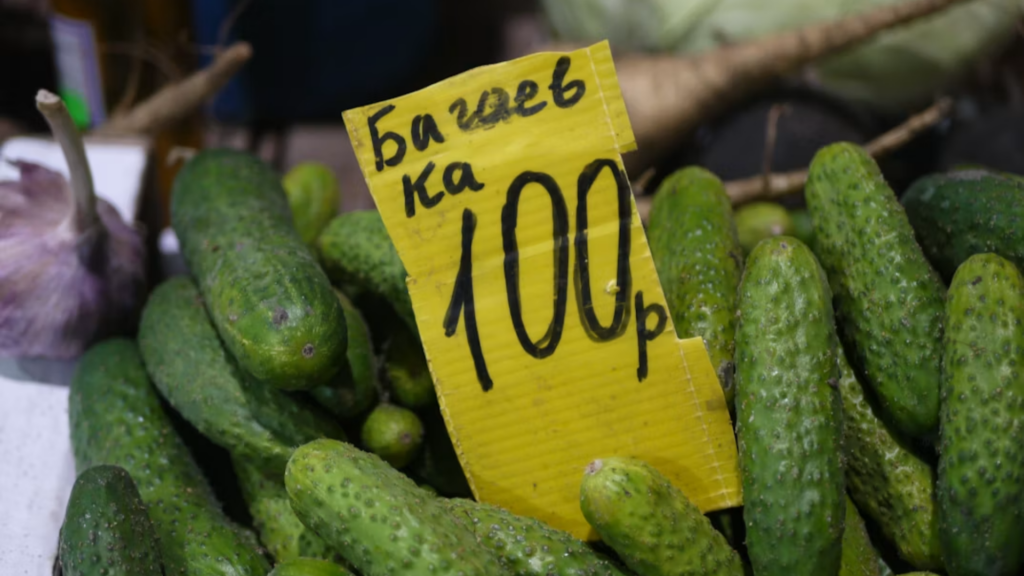
The rollout will move borough by borough. More than 150,000 people live in Hunts Point, where the Bronx location will open at La Peninsula in 2027, while a Manhattan store at La Marqueta in East Harlem will serve more than 65,000 residents within a ten-minute walk. Sites for Brooklyn, Queens, and Staten Island have not yet been finalized. Mamdani has pledged all five stores will be operational before his four-year term ends.
“No New Yorker Should Have to Worry About Feeding Their Family”
Mamdani has treated the grocery plan as a cornerstone of his broader affordability agenda since his campaign. “In the wealthiest city, in the wealthiest country in the history of the world, no New Yorker should have to worry about being able to afford to feed their family,” he said at the news conference. He has also acknowledged the plan is unproven, once telling supporters that if the model fails, “C’est la vie, then the idea was wrong.”
No Beer, No Cigarettes, No Hot Food, by Design
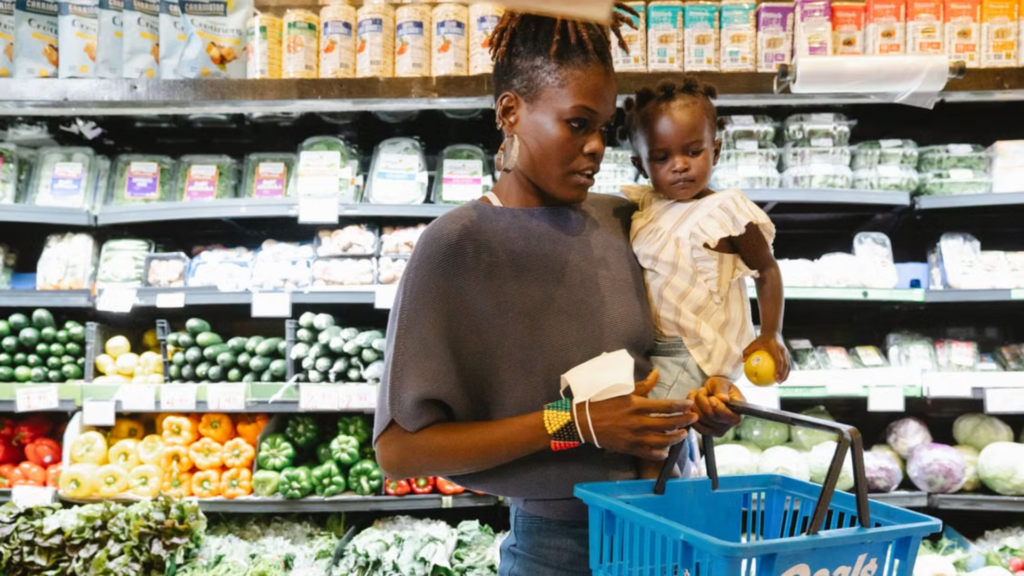
Mamdani built in specific limits meant to protect existing businesses. The city-owned stores will not sell hot food, beer, or cigarettes, the high-margin items that keep many corner stores afloat. “We are not looking to compete with bodegas or grocery stores when it comes to their ability to survive,” Mamdani said. “What we’re looking to do is to provide affordability that is guaranteed to New Yorkers.” Whether that distinction reassures small grocers remains an open question.
Bodega Owners Say the Math Still Doesn’t Work
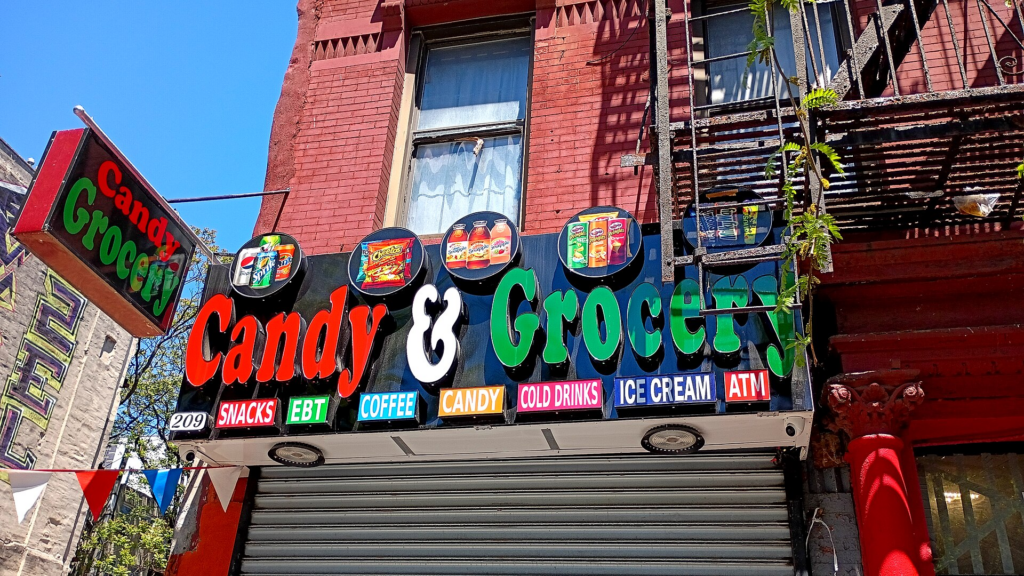
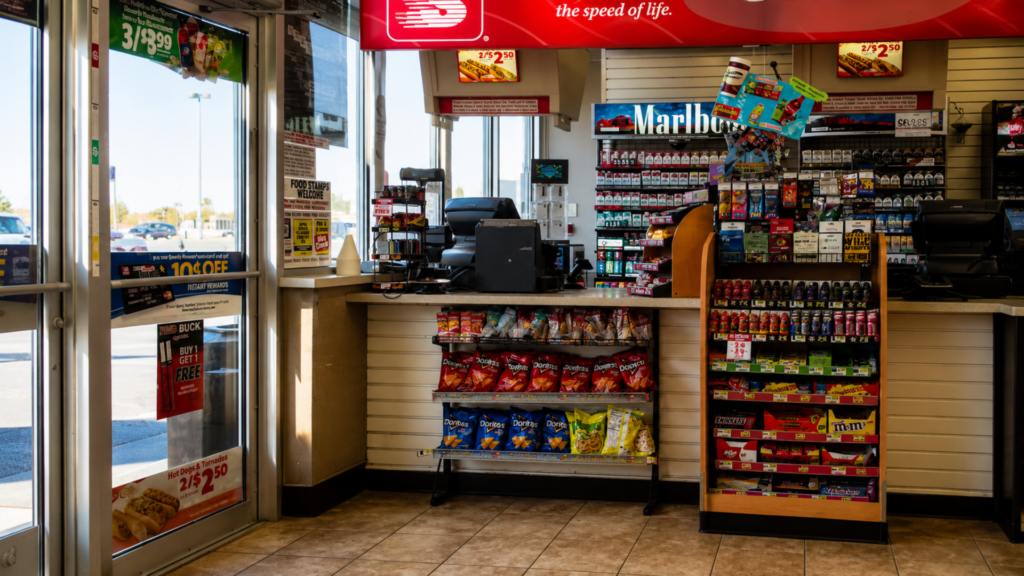
Reassurances aside, the city’s small grocers and bodega owners remain uneasy. Their concern is straightforward: they cannot legally undercut a taxpayer-subsidized competitor selling the same milk, eggs, and produce at 30% off. Grocery margins are notoriously thin, often just 1 to 2%, leaving little room to match discounts backed by public funds. For stores already competing against larger supermarkets and delivery apps, a government-run rival selling staples at a loss adds a new layer of pressure.
Watchdog Group Calls for a Full Cost Analysis First

Not everyone is convinced the plan solves the right problem. Andrew Rein, president of the Citizens Budget Commission, a fiscal watchdog group, called for deeper public scrutiny of the program’s costs and its effect on unsubsidized stores. “It is hard to see how subsidizing grocery stores, and groceries for everyone who shops there, is the most cost-effective way to increase affordability,” Rein said in a statement, arguing the city should examine what’s actually driving grocery prices up.
A Five-Store Bet on Reshaping Grocery Affordability
Mamdani’s plan rests on a wager that guaranteed discounts can outweigh the risks to small business owners already stretched thin. Five stores will not remake New York’s grocery landscape overnight, but they represent a real test of how far city government can go to blunt the cost of living. The Bronx store’s opening in 2027 will be the first real measure of whether this promise translates into lower bills, or into empty shelves and frustrated bodega owners.