

Products are selected by our editors, we may earn commission from links on this page.
A growing number of drivers are pushing back against their vehicles’ newest features. Some skip new cars entirely, keeping older models running as long as possible. Others get more inventive, sticking pieces of tape onto touchscreen displays just to find buttons by touch rather than by sight. It’s a small fix for a much bigger complaint: many drivers say high-tech dashboards, driver-monitoring cameras and driving-assistance systems are becoming more of a hassle than help.
A Toyota Owner’s Fix for a Screen He Couldn’t Read
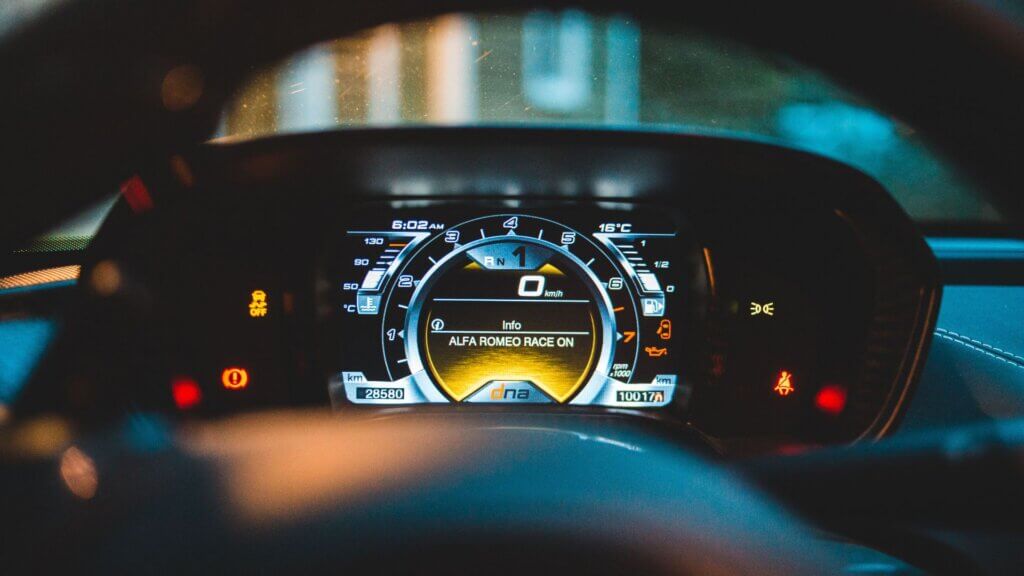
Ron Burda, 85, of Gilbert, Arizona, bought a new Toyota RAV4 not long ago and struggled to read its digital speedometer next to the analog gauges in his old car, he told The Wall Street Journal. Switching the display to an analog reading took a dealership technician about half an hour, he said. Burda now tapes the screen to find buttons by touch, and has written to Toyota proposing a simpler model for experienced drivers.
One Family Keeps Four Older Cars Running Instead of Buying New
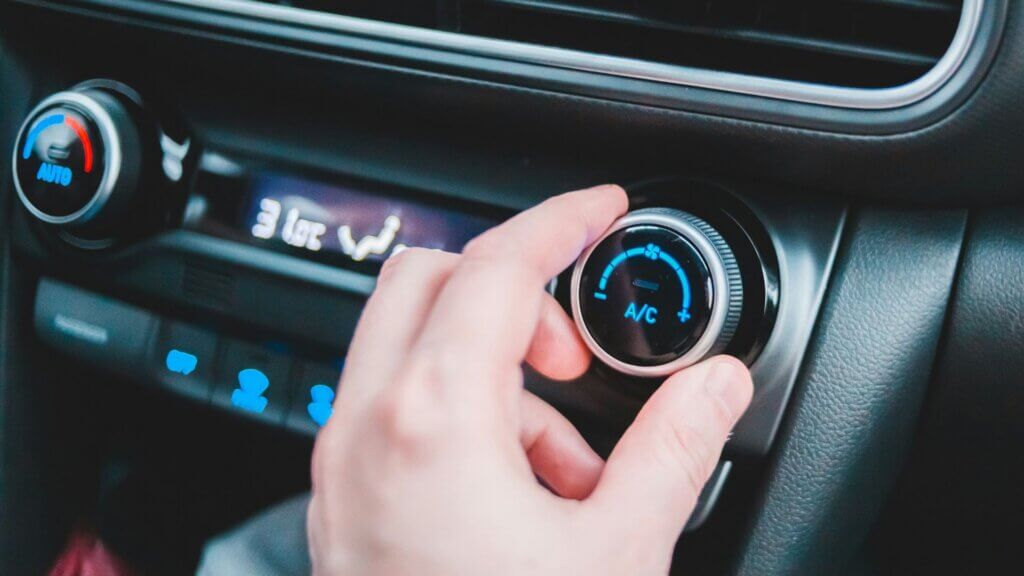
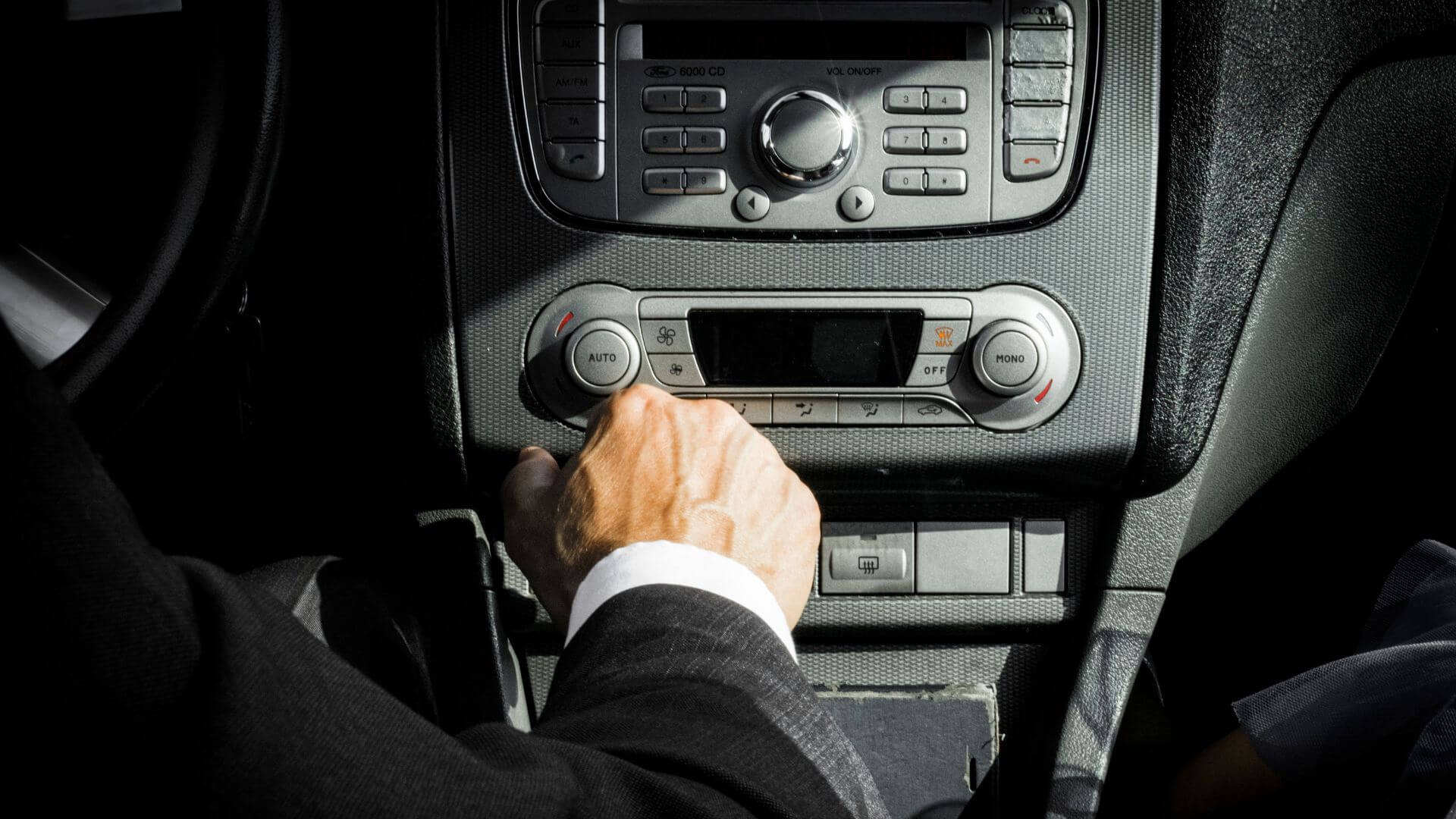
Brett Doyle, a computer scientist in St. Louis, keeps a spreadsheet tracking new automotive technology he wants to avoid, he told The Wall Street Journal. He and his teenage sons keep the family’s four vehicles running, all bought during the 2010s, to put off buying anything newer. “If I get hot in my car and want some air conditioning, I just want to turn a knob and have cold air come out,” Doyle said.
A TikTok Video Made One Driver Consider Buying Used

Karen Kefauver, a social-media consultant in Santa Cruz, California, said a TikTok video led her to weigh buying a used car for the first time; she told The Wall Street Journal. In the clip, a woman’s car appeared to decelerate after she briefly slouched, with the system thinking she fell asleep. “I don’t want my face and heart rate to be monitored by my car,” Kefauver said.
Beyond Dashboards, Drivers Are Also Switching Off Safety Systems
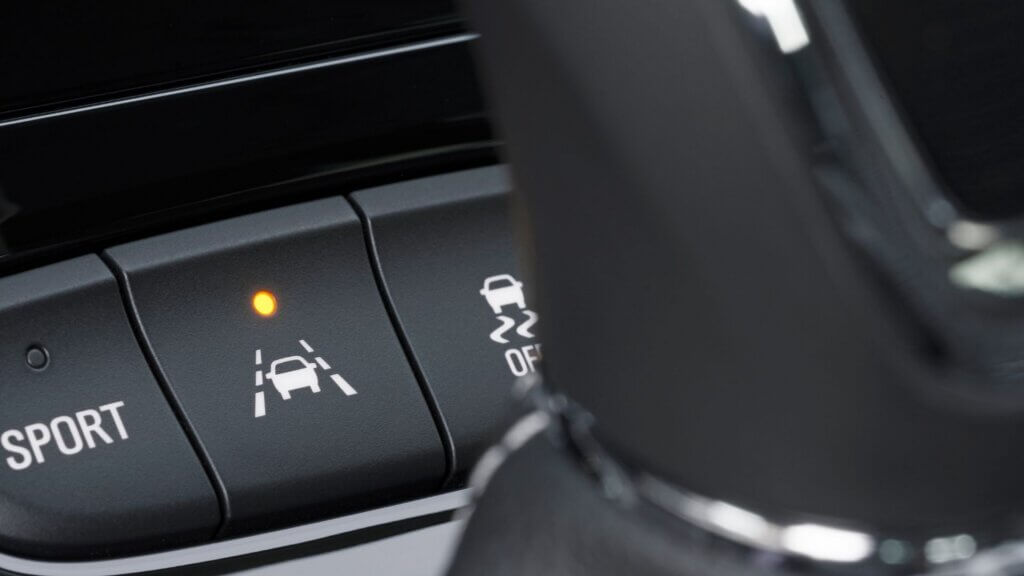
The frustration extends past screens and into driver-assistance technology itself. Forbes polled more than a half-dozen drivers and found many disable features like lane-keeping assist and adaptive cruise control soon after buying a car equipped with them. BMW owner Sean Dugan said he turns off Lane Keeping Assistant constantly. “It’s jarring and most of the time, more like all the time, unexpected,” he said, adding that nighttime driving makes it worse.
Tesla and Volvo Owners Report Similar Complaints
Tesla owner Patrick O’Connor told Forbes his Lane Assist feature struggles with curvy roads and regularly jerks him toward the shoulder, misreading normal steering as swerving. Volvo driver Meighan Offield said she avoids Pilot Assist because it disengages her from actively steering, and that its Rear Auto Brake system slams on the brakes when she backs down her sloped driveway, reacting to the uneven pavement. “I prefer to be in control,” Offield said.
Some Systems Brake Hard Without Warning, Drivers Say
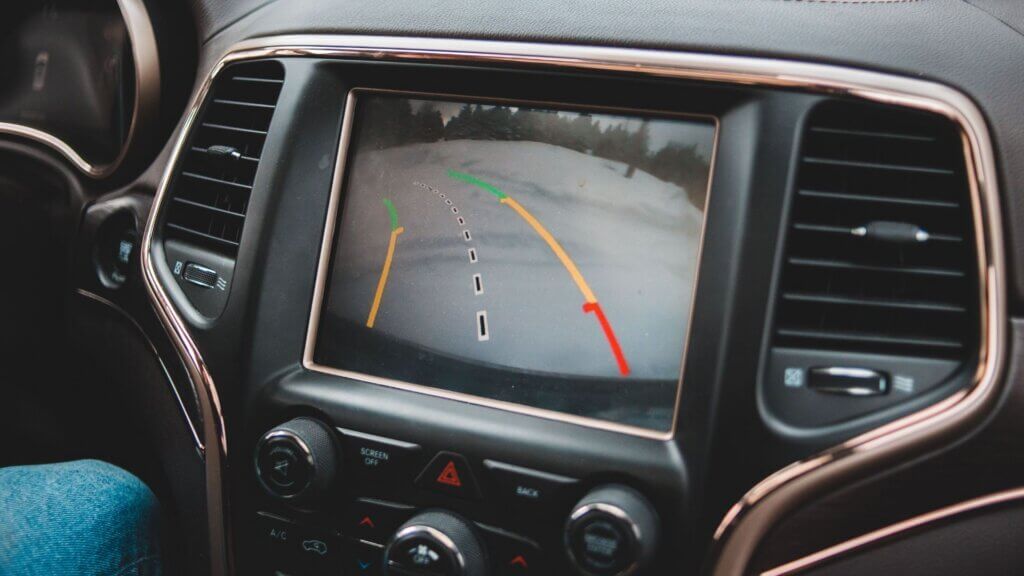
Cadillac Escalade owner Chad Armstrong told Forbes he likes his adaptive cruise control, but his Reverse Automatic Braking system sometimes slams the brakes for no clear reason, seemingly triggered by shadows. The driveway problem isn’t unique to Volvo. Subaru driver Esther O’Connor’s Outback triggers the same system when she crosses a gutter backing out of her steep driveway. Her workaround is shifting into neutral, which disables the system, before rolling into the street.
Not Every Driver Wants the Technology Turned Off

The reaction isn’t universal. Esther O’Connor still values her Subaru’s Lane Keep Assist overall, telling Forbes it helps catch momentary distractions as she gets older. RAM 2500 owner Charlie Schiavone said he uses adaptive cruise control in every vehicle he drives, including rentals, because it eases fatigue in traffic. He noted the system’s sudden braking can feel unnatural, sometimes engaging late enough that a collision briefly seems possible.
Automakers and Dealers Say Most Buyers Still Want the Features
Chris Lemley, president of the Sentry Auto Group dealerships outside Boston, told The Wall Street Journal he doesn’t expect the industry to abandon high-tech features, arguing most buyers want them even though some grumble about backup cameras or blind-spot alerts. Nissan CEO Ivan Espinosa said automakers may have the strategy backward, since pricier cars with the most tech tend to attract older buyers, while younger, entry-level shoppers are often the ones seeking it out.
A Few Low-Tech Options Remain, But Not for Long
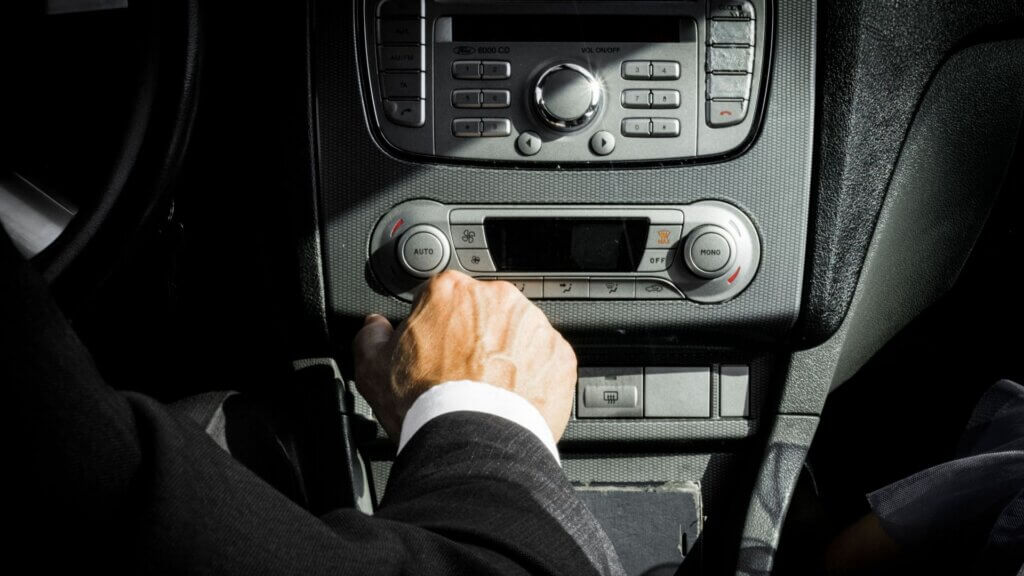
Drivers seeking simplicity still have some choices, though the window may be narrowing. The National Highway Traffic Safety Administration is requiring automatic emergency braking as standard equipment on all new vehicles by September 2029, according to Forbes. Until then, the Mazda3 still offers physical buttons, a rotary control knob and a manual transmission option, while EV startup Slate Auto sells a truck with crank windows and no radio, The Wall Street Journal reported.