

Products are selected by our editors, we may earn commission from links on this page.
Southwest Airlines built its reputation on open seating, and for years, loyal customers embraced the freedom that model promised. Over time,e that routine shaped expectations about boarding, overhead space, and flexibility in the cabin. Now, assigned seats and new bag fees have altered that familiar rhythm for many travelers today.
That reaction has spread across social media and travel forums, where passengers describe crowded aisles and confusion during boarding. Travelers seated near the front report full overhead bins, which forces them to walk rearward before returning to their rows, adding tension inside an already tight cabin for many frequent flyers.
Southwest says it is reviewing customer input as the rollout continues, yet executives also cite research showing assigned seating appeals to a broader audience. Recent financial reports show record revenue for 2025 and a rising stock price, which complicates the growing frustration among longtime loyalists who once championed the brand.
Overhead Bin Congestion Under Assigned Seating
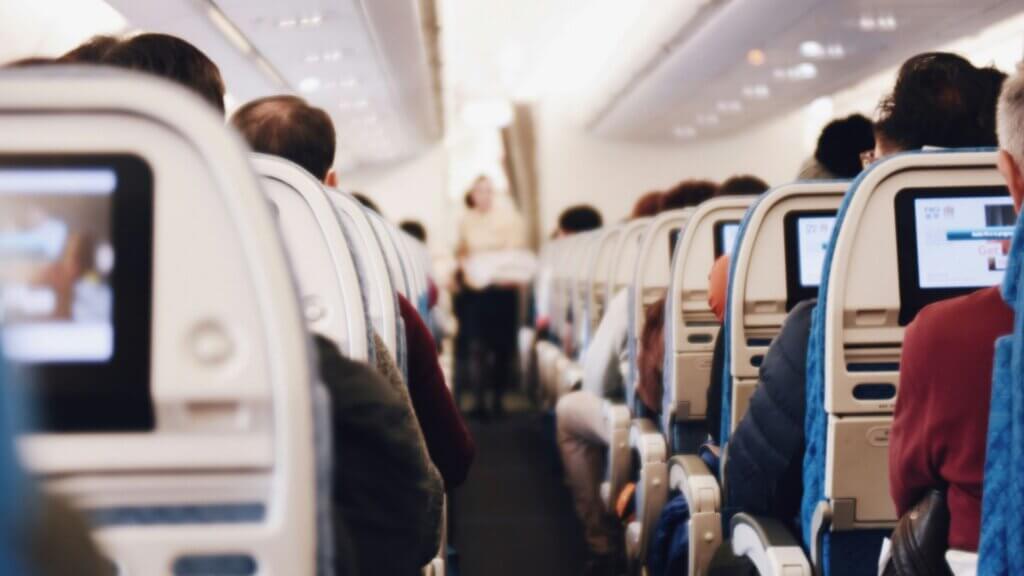
Assigned seats have changed who boards when, so passengers seated near the front can step on late and still need overhead space above their row. That timing then sends them searching past their seats for an open bin, and that extra walking tightens the aisle as more people enter behind them.
Checked bag fees have prompted more luggage to be carried in the cabin, causing bins to fill faster, and the boarding traffic problem appears earlier. That crowding then forces some travelers to stow bags in the back, and that choice sends them moving forward again against the flow, which drags out the process. Gary Leff called it “far more chaotic than the other airlines,” and that line matches what many flyers have posted online.
Southwest has told crews to keep their own bags out of passenger bin space near the front, so customers see more room where demand spikes first. The airline also says it’s monitoring real-world behavior and making early adjustments, so procedures keep changing as flights reveal new pinch points.
Strict Seat Enforcement Sparks Passenger Backlash
Assigned seating has brought tighter cabin rules, and that rigidity has surprised travelers who once valued flexibility. On a recent flight with fewer than four dozen passengers, Brad Todd moved to an empty row behind him after noticing open seats, and that decision quickly drew attention from a flight attendant. She told him, “We can’t leave ’til you’re in your seat,” and that exchange captured how firmly crews now enforce assignments.
That enforcement has unsettled passengers who grew used to choosing seats once onboard. Families have reported children placed far from parents, and those seating gaps have forced strangers to negotiate swaps mid-boarding just to keep relatives together. Each adjustment then slows the process and adds tension inside the cabin, which leaves some customers questioning why empty seats cannot offer flexibility.
Airline representatives say assigned seating aligns operations with research and broader industry standards, and that position suggests the policy will remain in place. Analysts also point to record revenue for 2025 and a rising stock price, and those figures complicate calls for a reversal from longtime loyalists.
Financial Gains Complicate Customer Backlash
Southwest now faces a moment where customer frustration collides with strong financial performance, and that tension shapes what happens next. Record revenue for 2025 and a rising stock price signal that the assigned seating model has not hurt demand in the short term. Those numbers then give executives room to continue refining operations without reversing course, even as longtime flyers voice dissatisfaction across social platforms and interviews.
At the same time, industry analysts argue that assigned seating and extra legroom options attract brand-neutral travelers who value predictability. That broader appeal then positions the airline closer to competitors that already rely on structured boarding and tiered seating products. Henry Harteveldt has suggested that restoring at least one free checked bag could strengthen that strategy, and that proposal introduces another lever the airline could pull without abandoning assigned seats.
As adjustments continue, Southwest must weigh loyalty against expansion, and that calculation now defines its identity moving forward. Early tweaks to bin policies and boarding procedures show responsiveness, yet the larger framework remains intact, which leaves the airline navigating growth with a different customer expectation at its core.