

Products are selected by our editors, we may earn commission from links on this page.
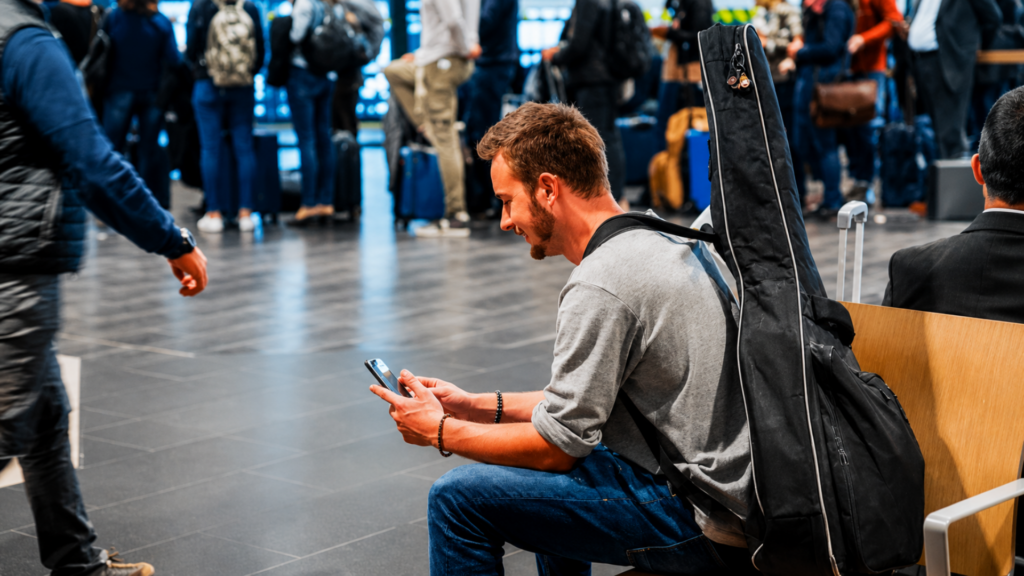
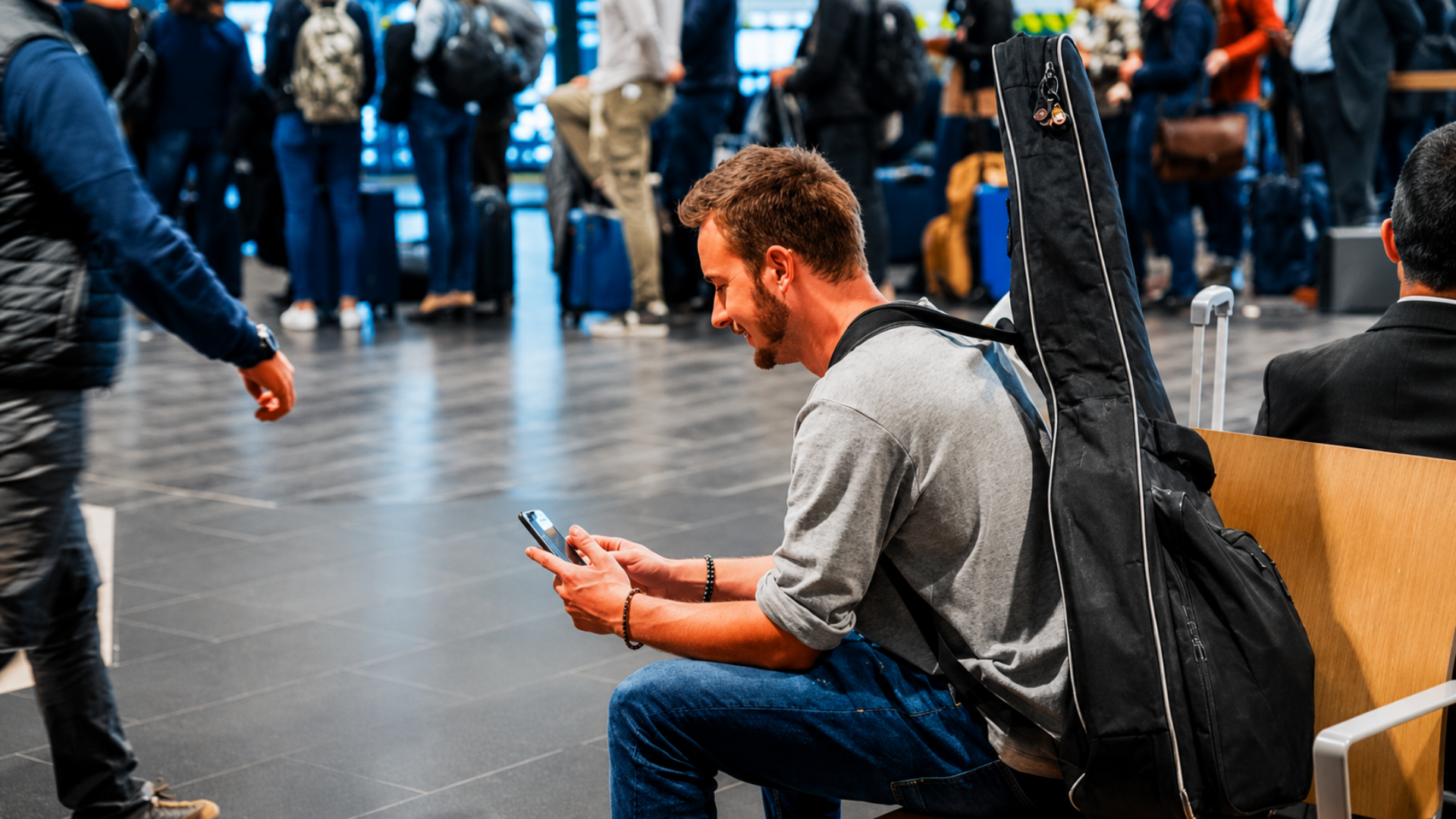
A guitar case seems like an obvious carry-on, right up until a gate agent decides otherwise. Samantha Henson, a Sacramento musician, tried boarding a Southwest flight to Portland with her acoustic guitar in June. A gate agent refused to let her bring it on board and told her to check it instead. When Henson pushed back, the airline called local sheriff’s deputies to the gate. What followed turned a normal boarding process into an overnight ordeal.
She Was Just Trying to Make a Friend’s Wedding on Time
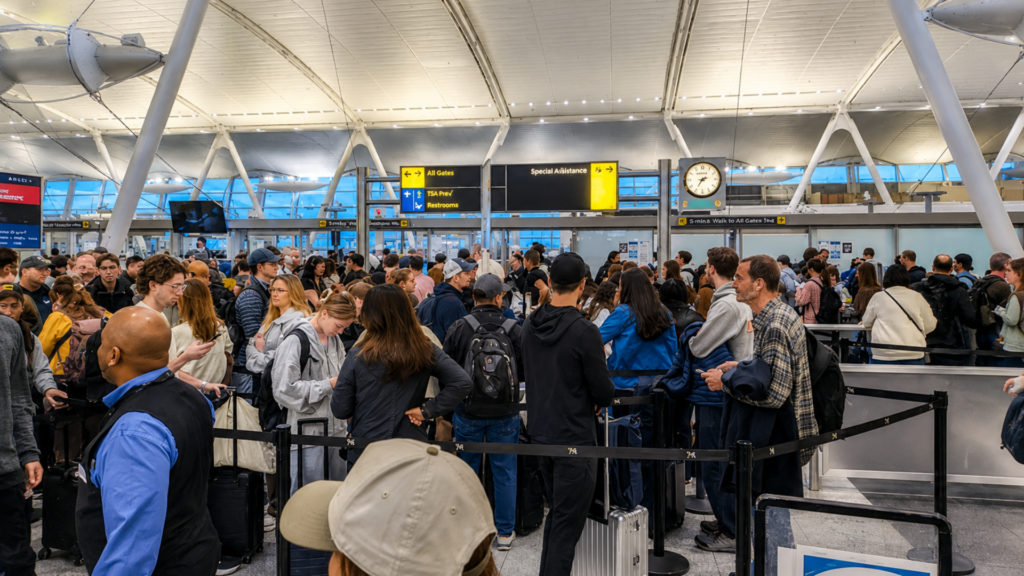
Henson was not trying to cause a scene, she was trying to catch a flight. She was traveling from Sacramento to Portland for a friend’s wedding, guitar in hand, the same way she says she has flown for years without incident. A flight attendant stopped her at boarding and told her the guitar was too large for the cabin. Henson deboarded, expecting to sort things out and catch a later flight instead.
The Later Flight Came With an Agent Waiting for Her
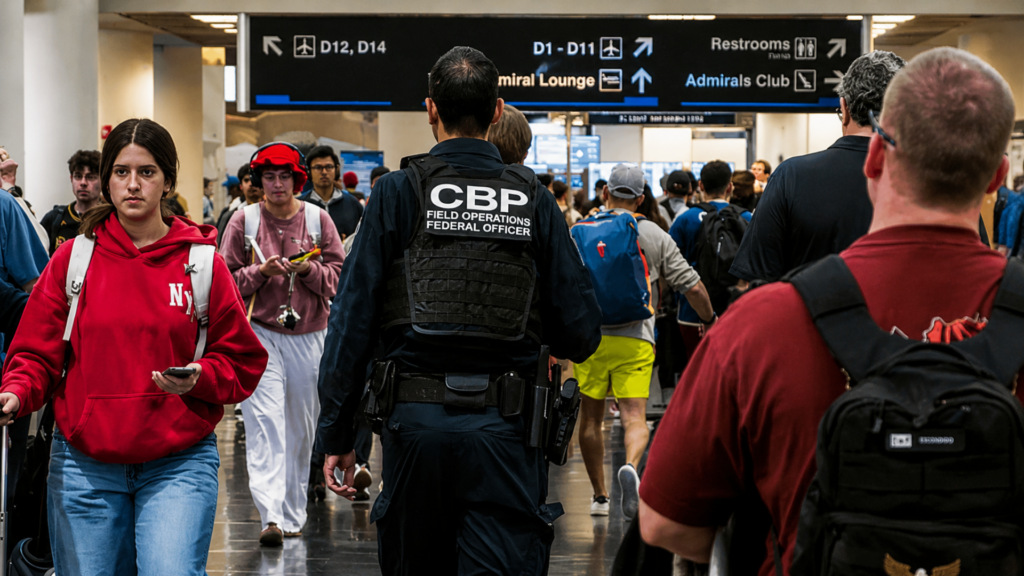
Getting bumped once should have been the end of it, but it was not. Henson tried boarding a later flight that same night, only to have the original gate agent reportedly run up to her at the line. According to Henson’s account, the agent told her, “You’re not going to get on that flight. You know that, right?” Sheriff’s deputies from Sacramento County arrived at the gate shortly after.
Federal Law Actually Sides With the Musician Here
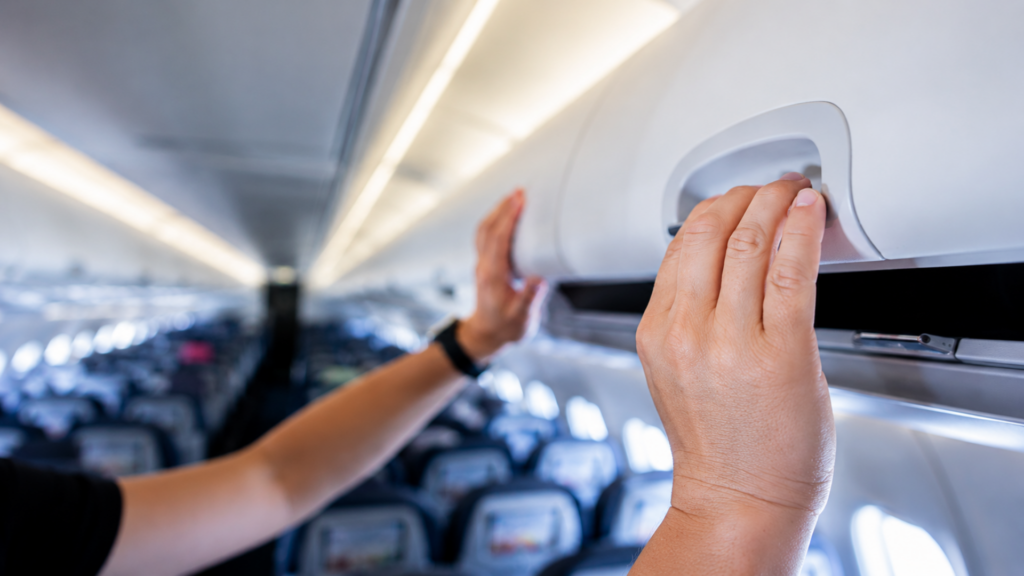
Southwest’s refusal ran into a specific federal rule most travelers have never heard of. Section 403 of the FAA Modernization and Reform Act of 2012 requires U.S. airlines to let passengers carry instruments like guitars and violins into the cabin. The only conditions: the case has to fit safely in an overhead bin or under a seat, and space has to be available at boarding. Nothing about oversized carry-on sizers overrides that rule.
The Rule Exists Because Checked Instruments Get Damaged
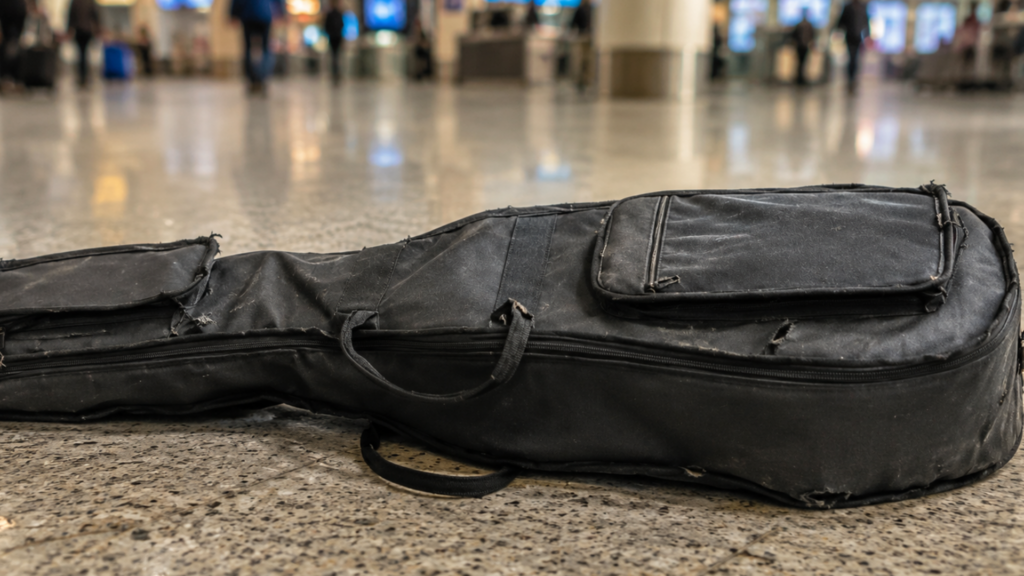
This protection did not appear out of nowhere. The Department of Transportation issued a final rule in 2014 specifically to implement Section 403, after musicians repeatedly reported damaged instruments from checked baggage handling. Guitars and violins are exempt from the standard carry-on size sizer for exactly that reason. Under the rule, airlines cannot give instruments special priority over other bags, but they also cannot ignore the exemption altogether.
The Confrontation Turned Personal Fast
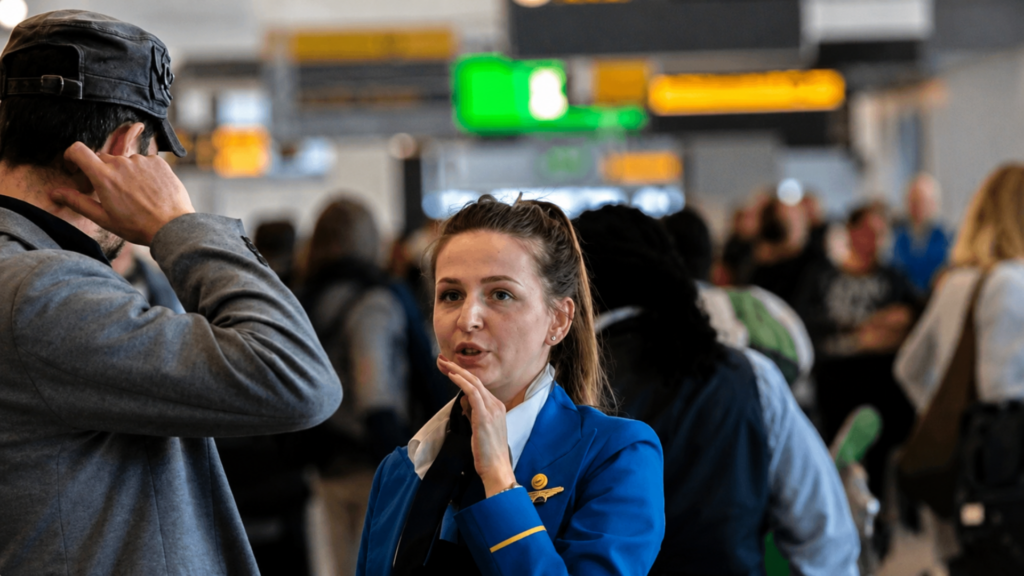
Video from the gate shows the interaction had moved well past a policy disagreement. In the clip, the Southwest employee tells Henson, “You should be ashamed of yourself.” She also warned that if the situation escalated further that night, Henson might not be able to fly again for another 24 hours. The tone, more than the policy itself, is what drove much of the online backlash toward the airline.
Southwest Has Not Reached Out, According to Henson
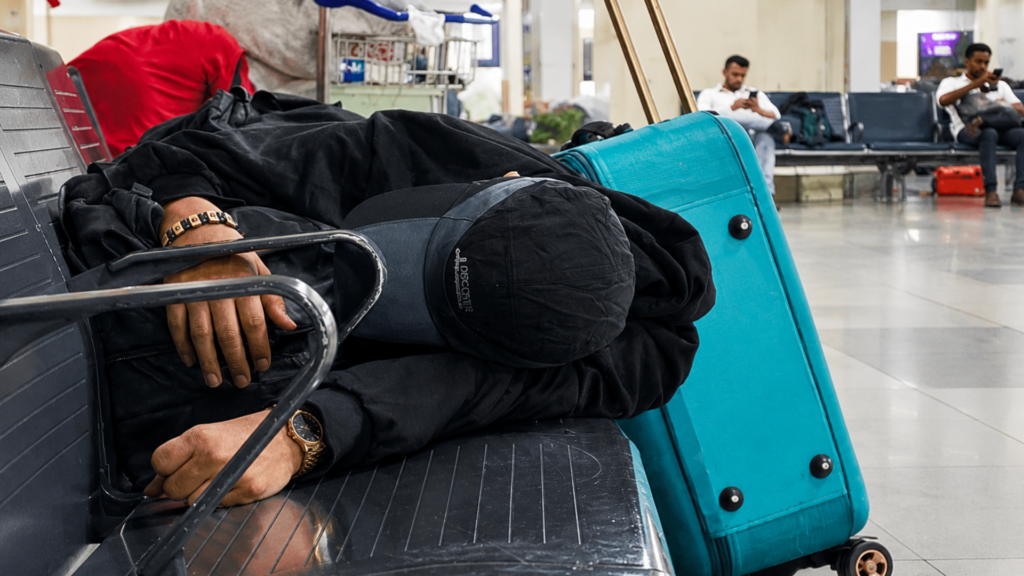
Going viral did not translate into a resolution for Henson. She says the ordeal cost her a full night stuck at the airport before she finally flew out early the next morning. Despite the attention the video received, Henson says Southwest has not offered compensation or an apology. She has held a Southwest Rapid Rewards card since 2021, but says the experience left her “worried and nervous” about flying the airline again.
Even Southwest’s Own Staff Say This Should Not Have Happened
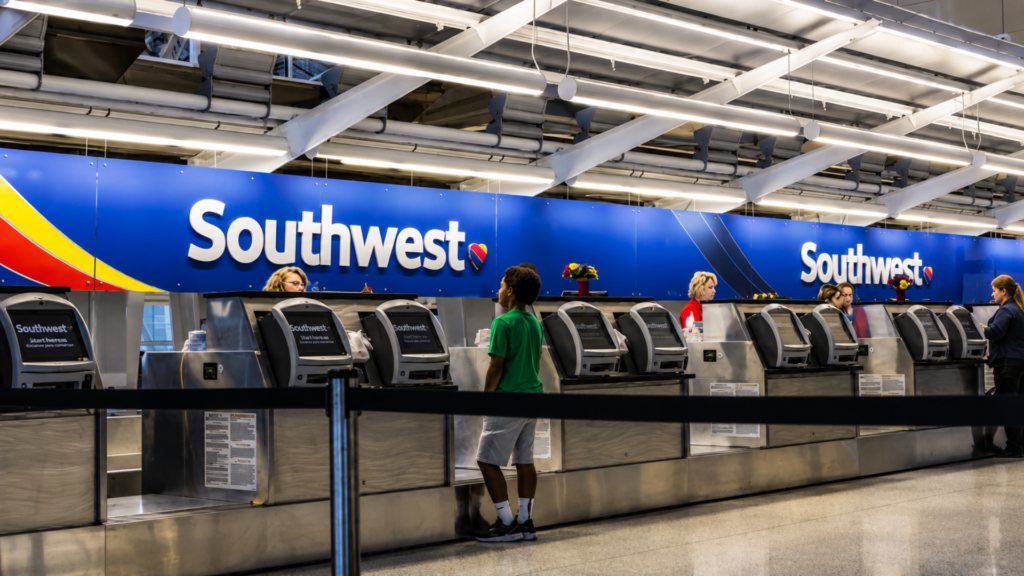
Online reaction did not split cleanly by airline loyalty. One commenter who identified as a current Southwest employee wrote, “I work for Southwest, I/we always let people bring guitars on. This lady was on a trip,” suggesting the agent’s handling was out of step with normal practice. The Department of Transportation has separately acknowledged that frontline staff do not always apply musical instrument rules correctly or consistently.
This Was Not Southwest’s First Gate Confrontation This Year
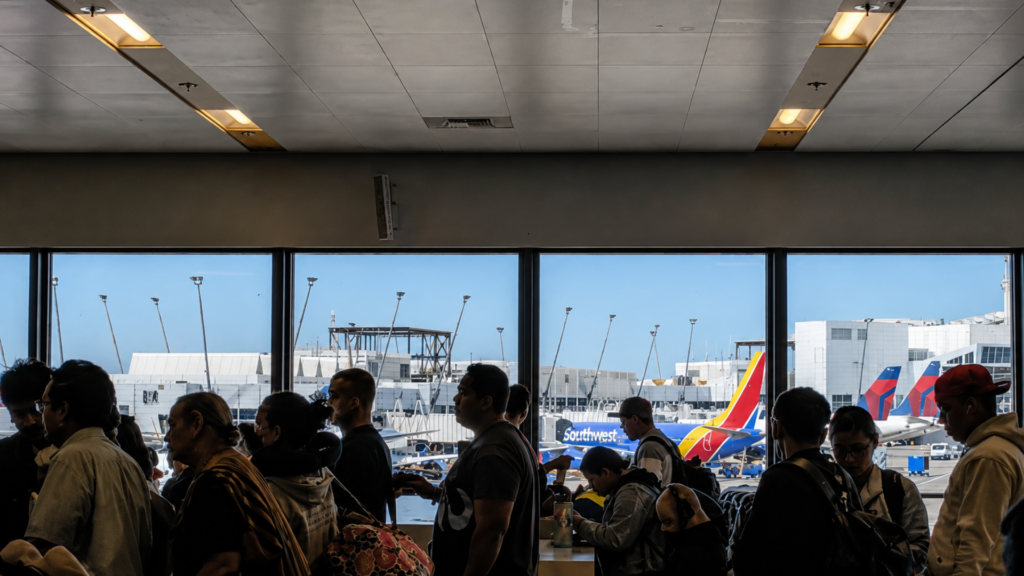
Henson’s experience joined a growing list of Southwest gate disputes. The airline has faced complaints this year over a reported crackdown on neck pillows and carry-on bags, even with empty overhead bins visible nearby. Its Customers of Size policy has also drawn criticism after requiring some larger passengers to purchase extra seats. Together, these incidents point to inconsistent enforcement between what Southwest’s written policy says and how individual gate agents apply it.
The Case Fit Under the Seat, but the Rules Still Failed Her
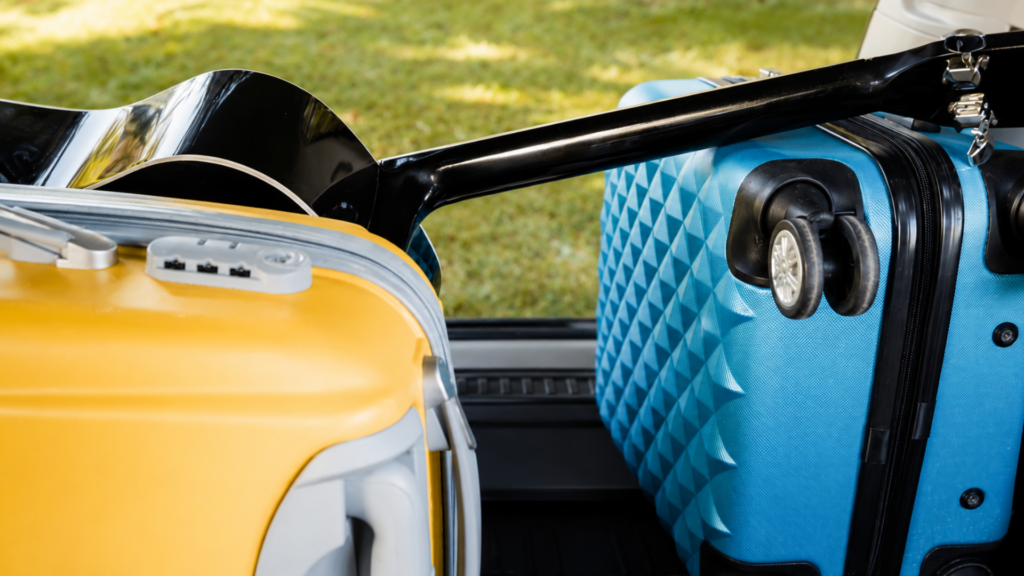
A guitar that legally belonged in the cabin ended up costing a passenger her evening, her sleep, and a run-in with sheriff’s deputies. The law was on Henson’s side the entire time, yet that protection meant little in the moment it mattered. For musicians flying commercial, a federal rule on paper is not the same as a calm gate agent in practice. Sometimes the safest carry-on is a printed copy of the regulation itself.