

Products are selected by our editors, we may earn commission from links on this page.
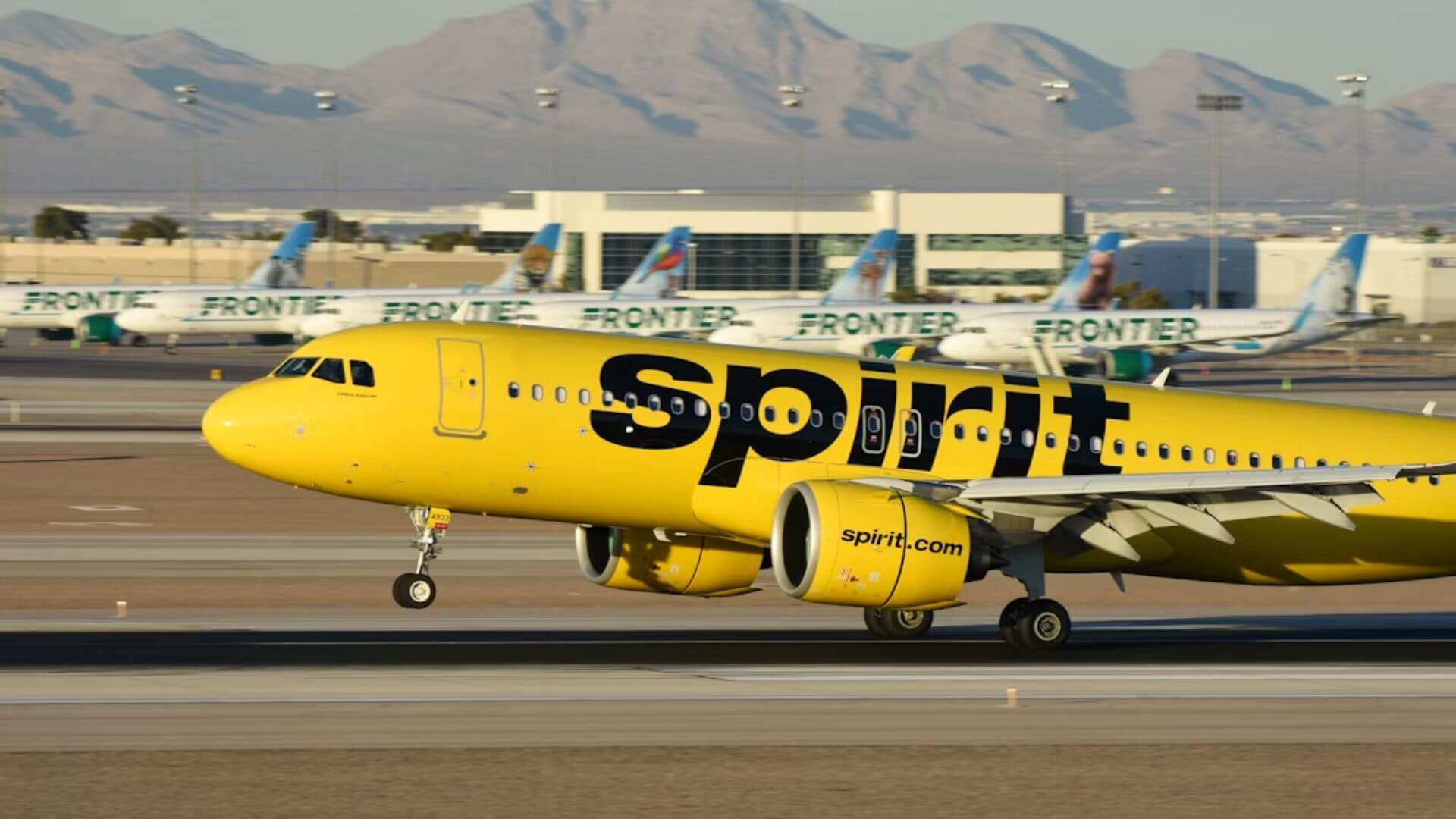
For 20 years, Ira Mendelsohn trusted Spirit Airlines to connect his two homes, one in Margate, New Jersey, and the other in West Palm Beach, Florida. In mid-February, that trust collapsed. He was stranded twice in one weekend, spent the early hours of a Sunday sleeping at an airport terminal, and flew home on a competing airline. He is one of thousands of Spirit passengers left stranded during a wave of cancellations.
Over 250 Flights Canceled Since Mid-February
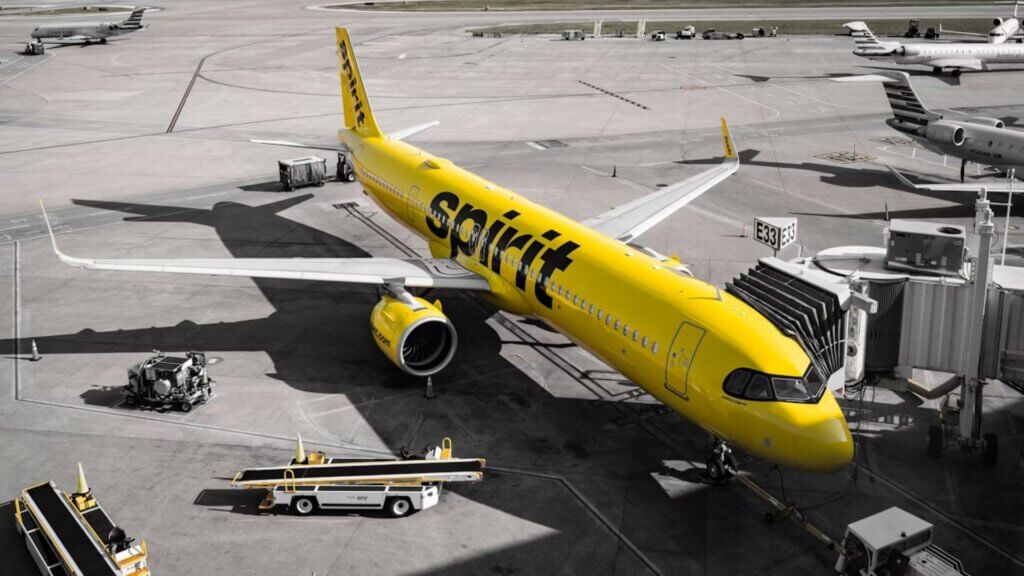
Spirit Airlines has canceled more than 250 flights since Friday, Feb. 13, with the airline acknowledging the disruptions are tied to staffing shortages. The airline is currently navigating Chapter 11 bankruptcy for the second time in under a year. South Florida has felt the sharpest effects, with the region accounting for nearly 25% of all Spirit flights nationwide, making it the hardest hit area in the country.
Fort Lauderdale Among the Most Affected as a Spirit Hub
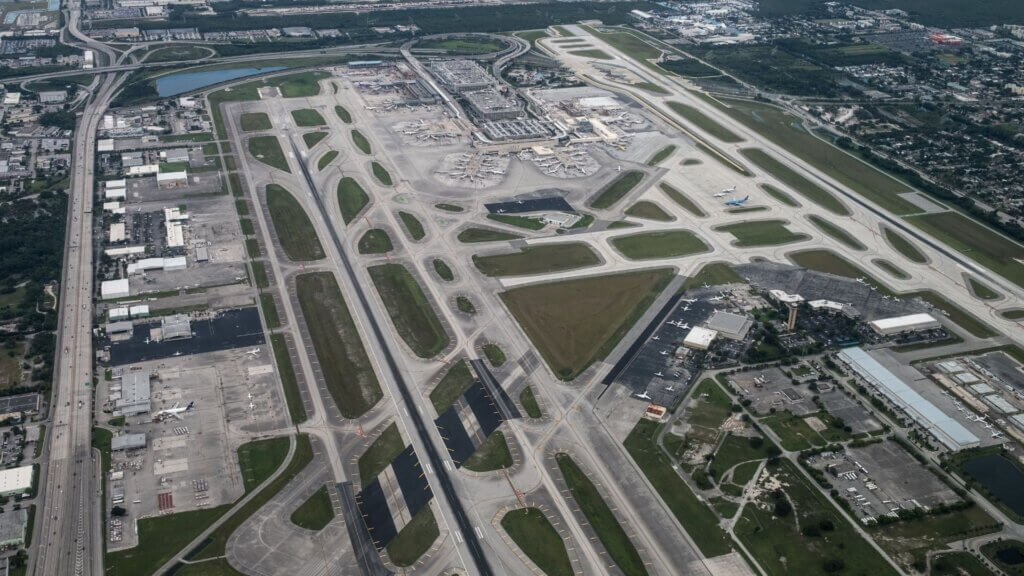
Fort Lauderdale-Hollywood International Airport, where Spirit is the dominant carrier, has been among the most affected airports in the country. Palm Beach International and Orlando International have also seen significant cancellations and delays. Because Fort Lauderdale serves as Spirit’s core Florida base, a breakdown there does not stay contained to local travelers. It pulls the airline’s wider schedule off course.
Furloughs Left the Airline Short on Crew
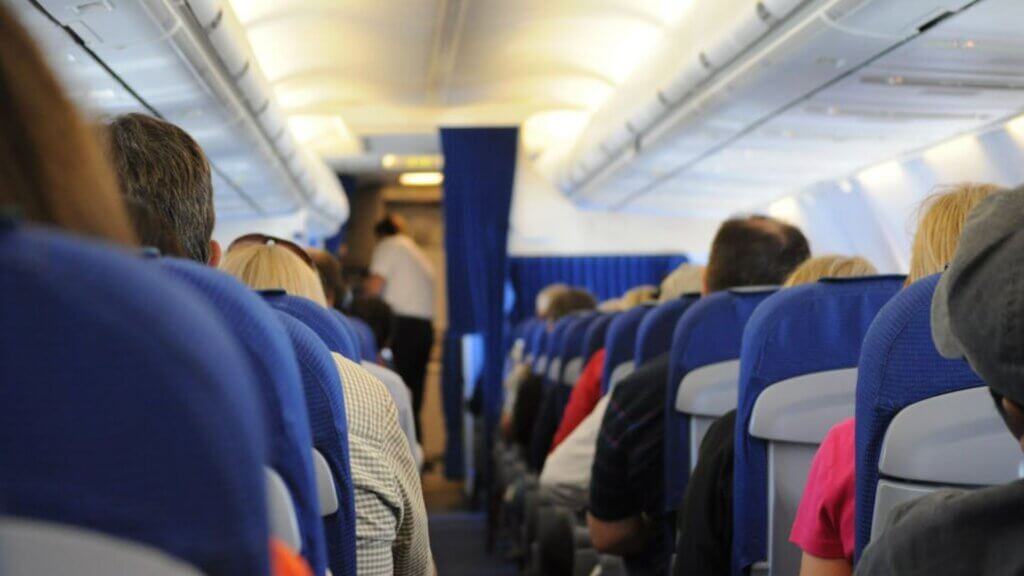
To cut costs amid its financial crisis, Spirit furloughed flight attendants and pilots, a move the airline acknowledges contributed to the current staffing shortage. It has since recalled 500 pilots in an attempt to stabilize operations, though the number who have actually returned to active flying remains unknown. The furloughs and the uncertain pace of that recall left Spirit without sufficient crew to keep its schedule intact.
CEO Points to Fleet Cuts as Part of the Recovery Plan
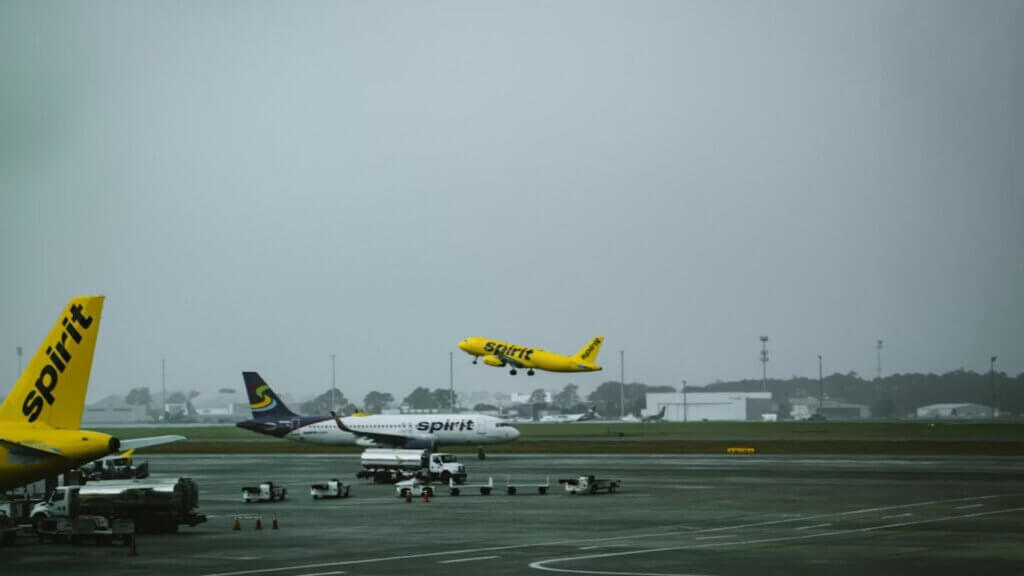
While passengers dealt with cancellations, Spirit was also trimming its fleet. The airline sold 20 aircraft, the majority of which had been sitting out of regular rotation rather than flying active routes. CEO Dave Davis said the fleet reduction is designed to ensure the company’s long-term success. The sale came alongside furloughs and other cost-cutting measures as Spirit works through its second Chapter 11 filing.
Stranded Twice, a 20-Year Loyalist Buys a Backup Ticket

Mendelsohn was notified on Feb. 14 that his Sunday flight from Palm Beach International to Atlantic City had been canceled. He made his way to Fort Lauderdale at 3 a.m., paid $140 in transit costs, and arrived to find that the flight canceled, too. He flew home on Allegiant and now books two tickets for every trip. “It is kind of like insurance. If Spirit cancels, I have a way to get home,” he told The Palm Beach Post.
The Ultra-Low-Cost Model Under Pressure
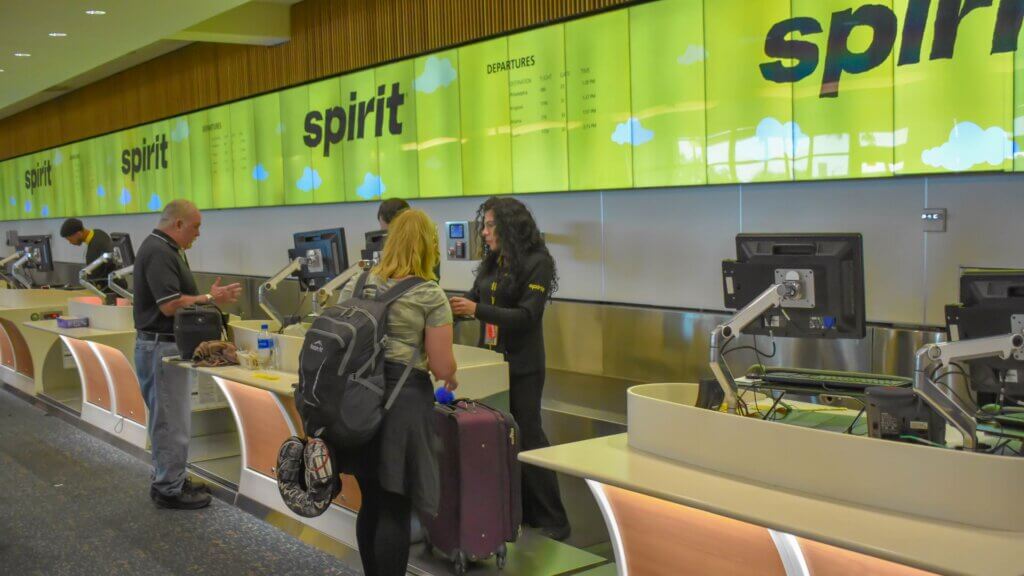
Spirit built its business on discounted base fares with added fees for baggage, seat selection, and more, generating strong returns through the 2010s. Climbing fuel costs, labor expenses, and maintenance pressures have since squeezed those returns. When legacy carriers began offering lower fares on select seats, Spirit lost ground with budget-conscious travelers. Mike McCormick, managing partner of Travel Again Advisory, said Spirit’s customers are price-sensitive but have alternatives, and disruptions could accelerate that shift.
An Expert Warns the System Has No Cushion
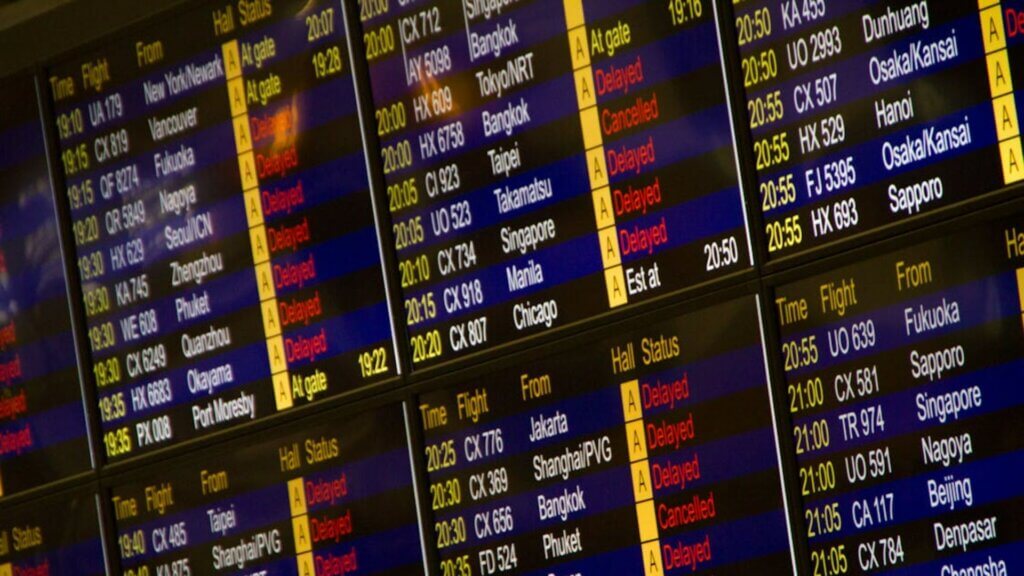
McCormick said Spirit’s structure leaves little room for error. “Spirit’s model is incredibly efficient when it’s working, but it doesn’t have much shock absorption when it’s not,” he told The Palm Beach Post. He added that an ultra-low-cost structure offers limited buffer when things go wrong, and that Fort Lauderdale is particularly exposed given how central it is to Spirit’s broader network.
A History of Missed Opportunities and Legal Setbacks
Spirit’s current struggles have roots in a merger that never came together. In 2022, the airline tried to combine with Frontier Airlines, but shareholders rejected the offer after JetBlue came in with a higher bid of $3.8 billion. A federal judge then blocked the JetBlue deal in January 2024. The failed mergers left Spirit to navigate its financial difficulties alone, and the airline has faced challenges ever since.
One Bad Week Won’t Kill an Airline, but the Bigger Pattern Is What Matters
By Feb. 20, cancellations at Fort Lauderdale had begun to ease, though nearly a third of Spirit’s flights were still experiencing delays, The Palm Beach Post reported. McCormick said: “Airlines fail because of prolonged cash flow deterioration, not because of one difficult operational week. The bigger question is whether this is a short-term operational breakdown or part of a broader pattern.” For Spirit, that question remains open.